Company Solar Asset Register vs Ready Batch in Sydney: Keep Collection Facts Current
A company register records history; a ready-batch record describes only equipment actually at the handover point today.
Practical, sourced articles on what happens to old solar panels — recycling, reuse and the rules — for Sydney homes, electricians and businesses.
Read practical guidance for planning a Sydney solar-panel collection after qualified people have safely removed the equipment. Start with the article that matches your question about equipment, site access, handover or booking; each guide explains what to confirm before requesting collection.

A company register records history; a ready-batch record describes only equipment actually at the handover point today.

Declare the components actually at ground level after an upgrade; do not use an historic system description as the ready batch.

Use the physical ready batch—not a forecast or old docket—as the basis for an honest handover record and scope discussion.

After an upgrade, describe the real ground-level batch—not the original system size—before requesting a collection assessment.

A factual staging brief helps a commercial team describe where the ready batch is now, who can confirm current access facts and what has changed since the last scope discussion.

A current-batch register separates what is actually ready in the warehouse today from original system totals, older stock and later project stages.

A scope review becomes clearer when the coordinator keeps each role's current facts separate from project forecasts and collection assumptions.

After qualified removal, an installer can hand over current equipment, location and access facts without turning a removal-completion note into a collection promise.

A building upgrade programme is not itself a collection scope. These five FAQs help facilities teams describe the current ready batch, access facts and project contact without making a service assumption.

A replacement plan, the system once installed and the equipment actually ready for a ground-level handover are three different records. A simple current-state register keeps the scope conversation factual.

A commercial project forecast, a current ready batch and a confirmed collection arrangement are different things. These six answers keep the scope discussion factual.

NSW is consulting on a proposed product-stewardship framework. It is a live consultation, not a confirmed collection route, price, eligibility decision or handling outcome for a Sydney batch.

A scope review needs an honest description of the batch as it is staged now, not extra repacking, movement, testing or serial-number work.

A collection scope describes the actual ready ground-level batch, not equipment that remains installed, connected or scheduled for later removal.

Separate the groups you can actually identify; model details support a clearer review but do not decide eligibility, value or outcome.

An estimate, scope review and confirmed arrangement answer different questions; keep the real handover facts current at every stage.

Update the real handover facts rather than relying on an early forecast.

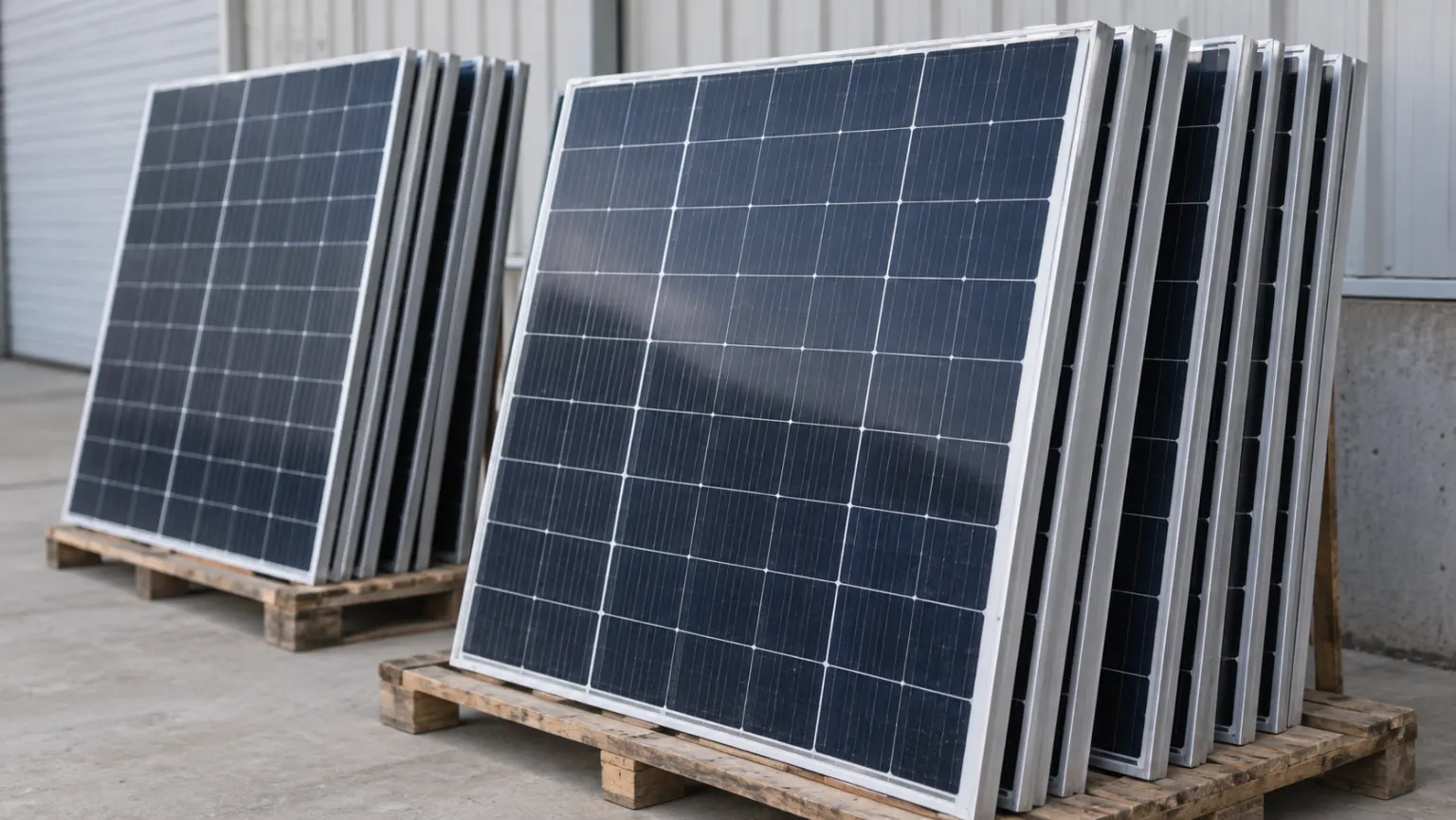
Photos can describe a real ground-level batch without promising a collection outcome.

A policy direction does not replace accurate post-removal equipment and handover information.

Ministers agreed to work toward nationally consistent models; details and local service arrangements remain unconfirmed.

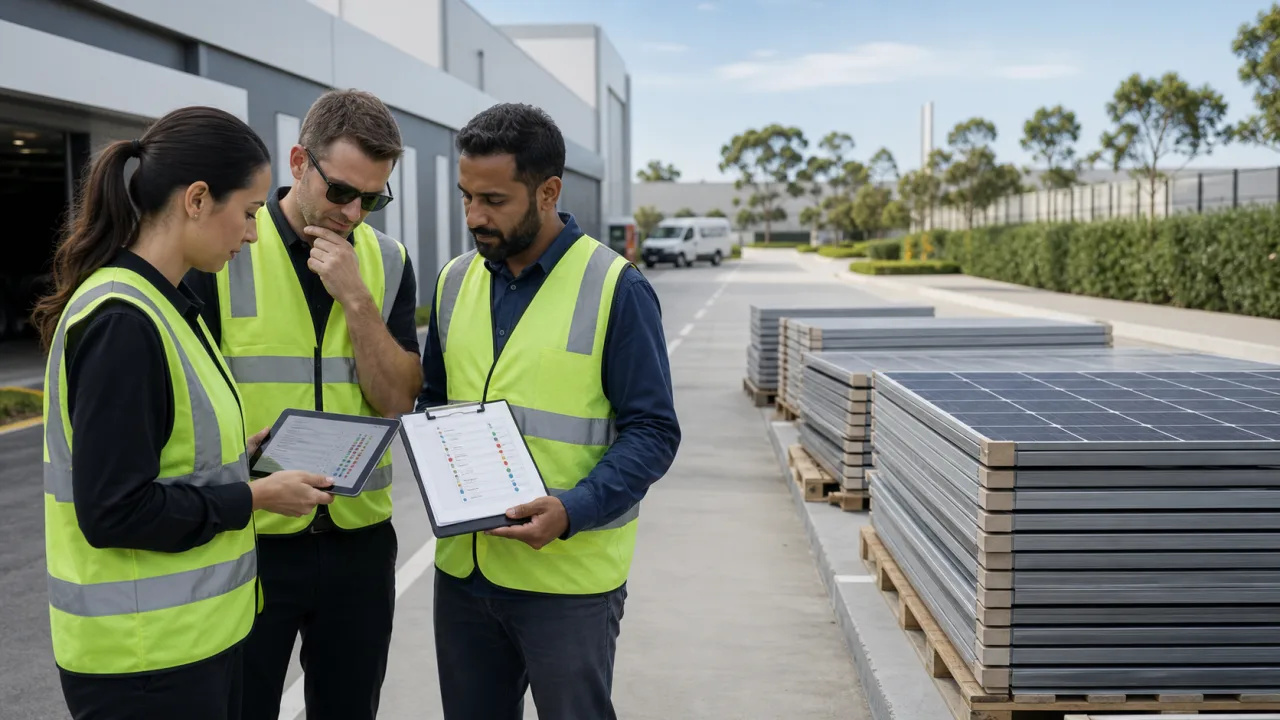
List what is actually ready at ground level by equipment type; a list supports assessment, not a promised outcome.

A usable request records the real ground-level handover and access facts; it does not reserve a vehicle, route or appointment.

An operating commercial site can prepare a clearer collection request by separating its own access and operating process from the actual post-removal equipment handover.

After a storm, a collection request becomes useful only once qualified people have completed removal and the real batch, ground-level handover point and access facts can be confirmed.

A useful collection contact confirms the real batch, handover point, access and communication facts. The role does not replace electrical, safety or downstream decision-makers.

Before asking how soon a collection can happen, confirm the real batch, ground-level handover point, access and site contact. Those facts support assessment; they do not create a booking promise.

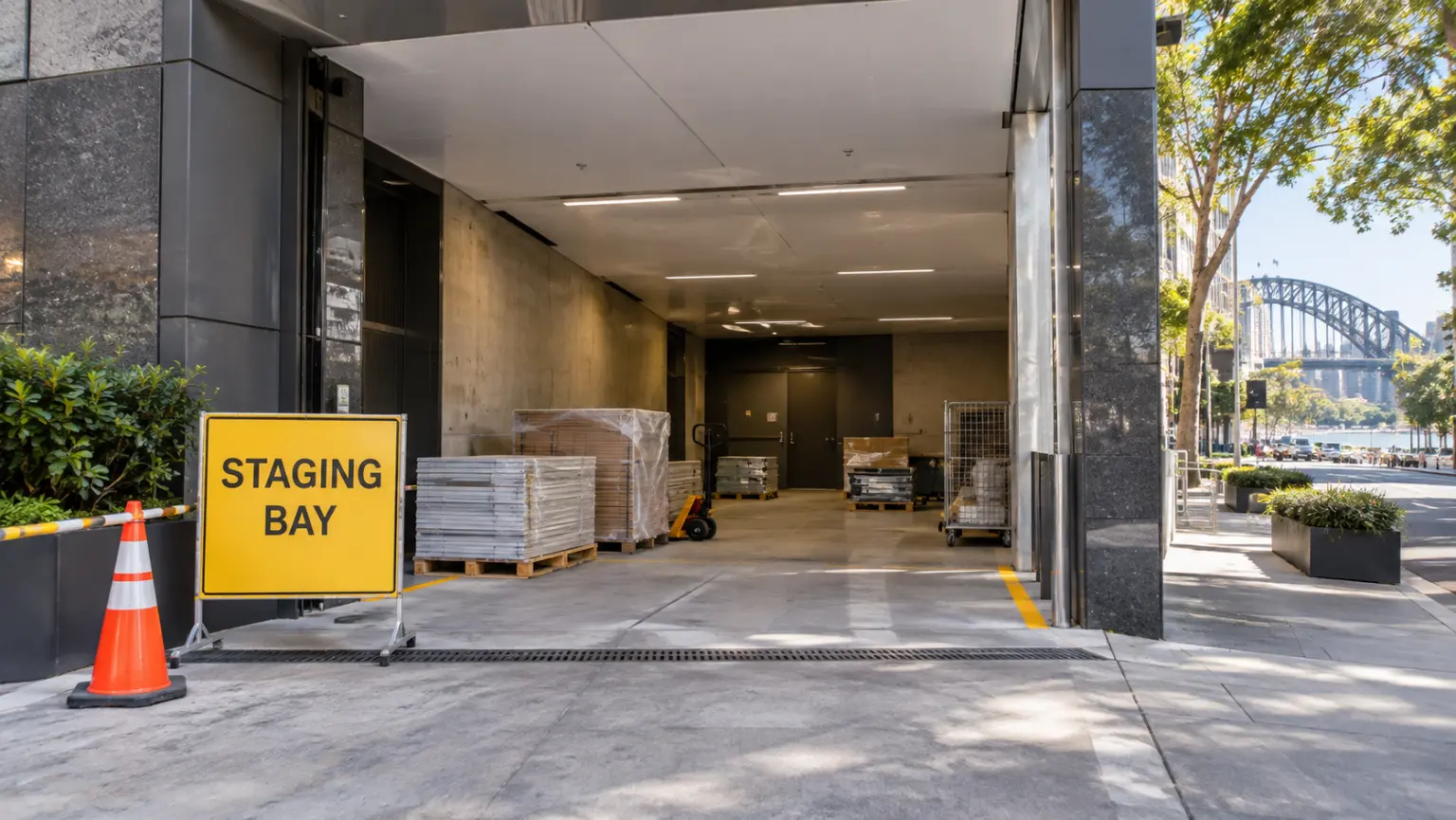
A collection address is not always enough. A clear ground-level handover description tells a project team where the removed batch is, how the point is approached and who can confirm the real conditions.

A tailored scope is not a vague fallback. It is the right way to review a job when the batch, site or access cannot be described by a standard panel-only pathway.

Collection and drop-off are different pathways. Compare confirmed acceptance, transport responsibility, batch facts and access before choosing either one.

A kW figure describes a system rating, not necessarily the number of panels ready at a handover. This guide shows the facts that make a collection request clearer.

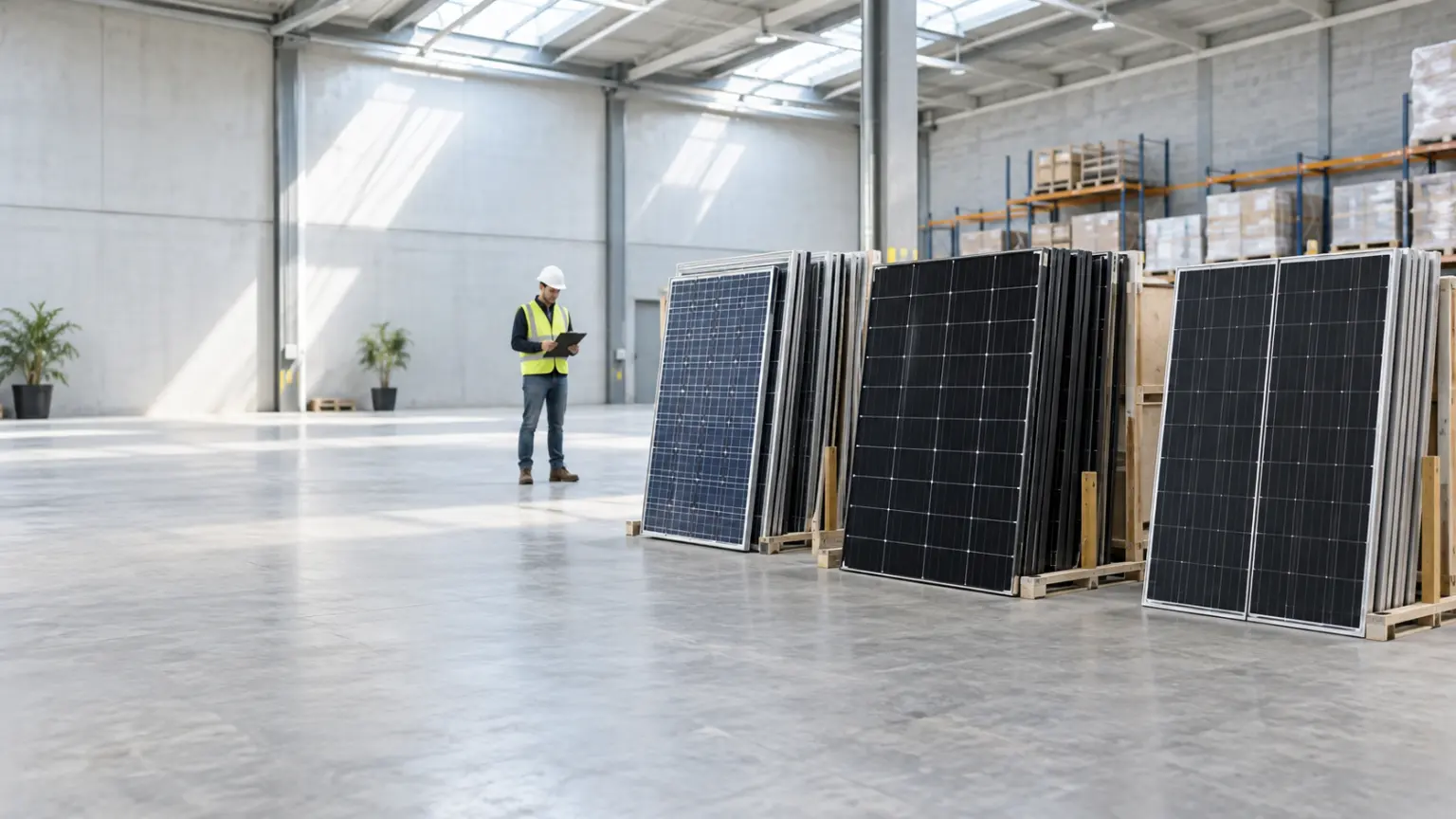
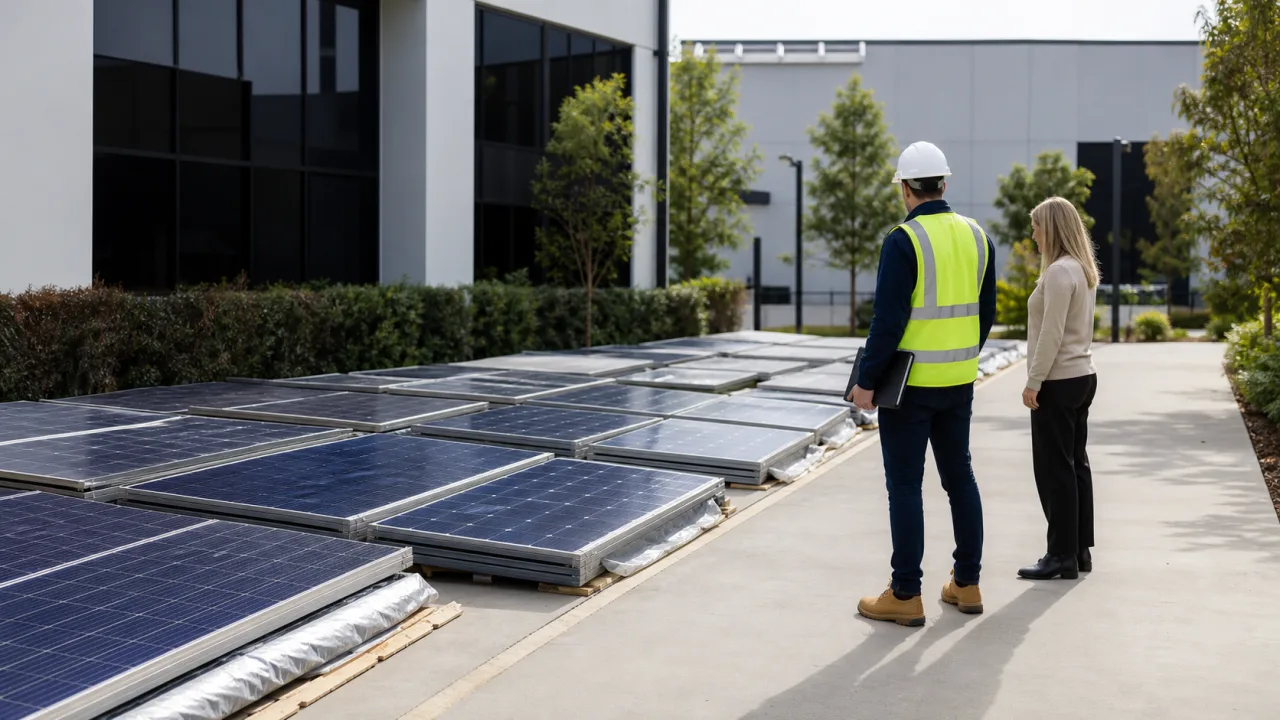
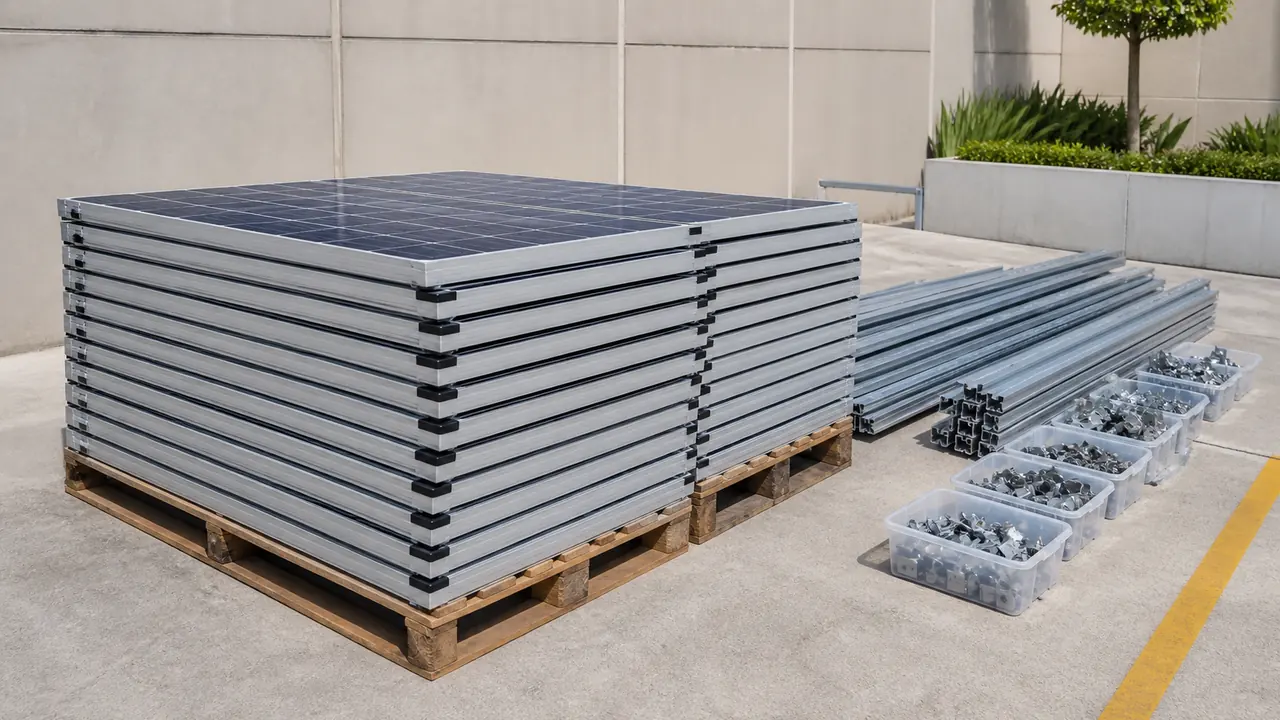
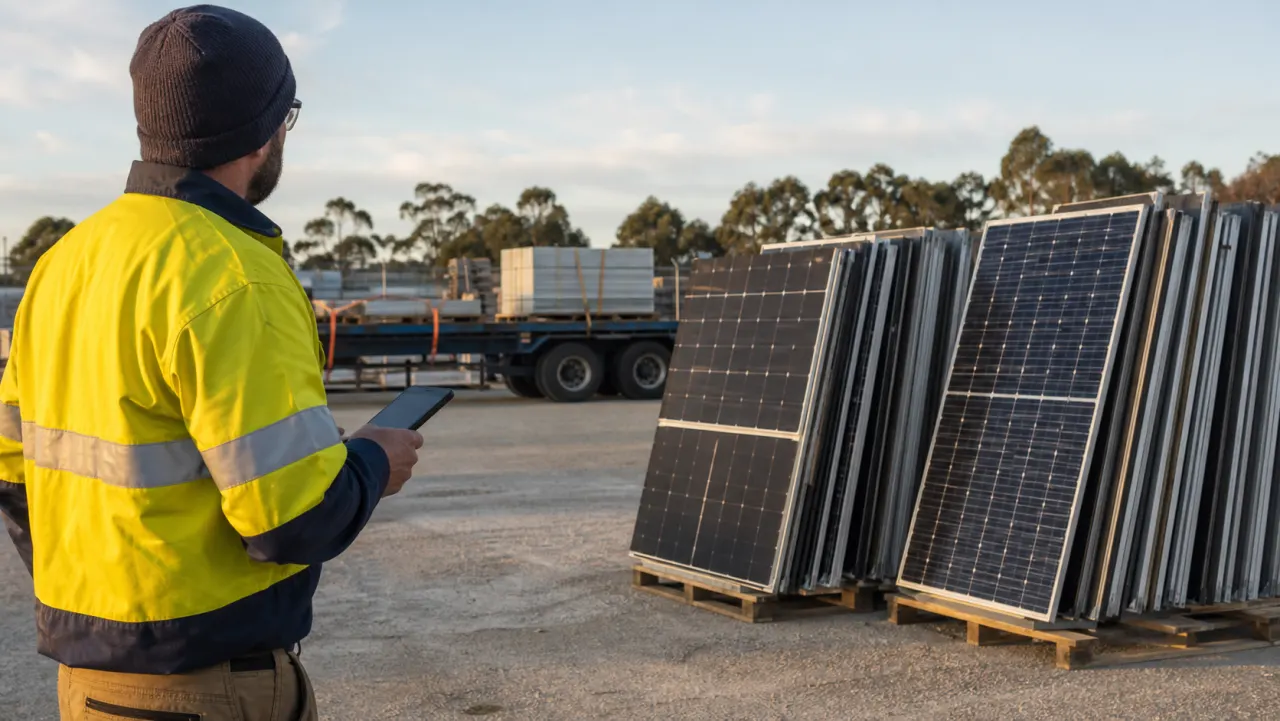
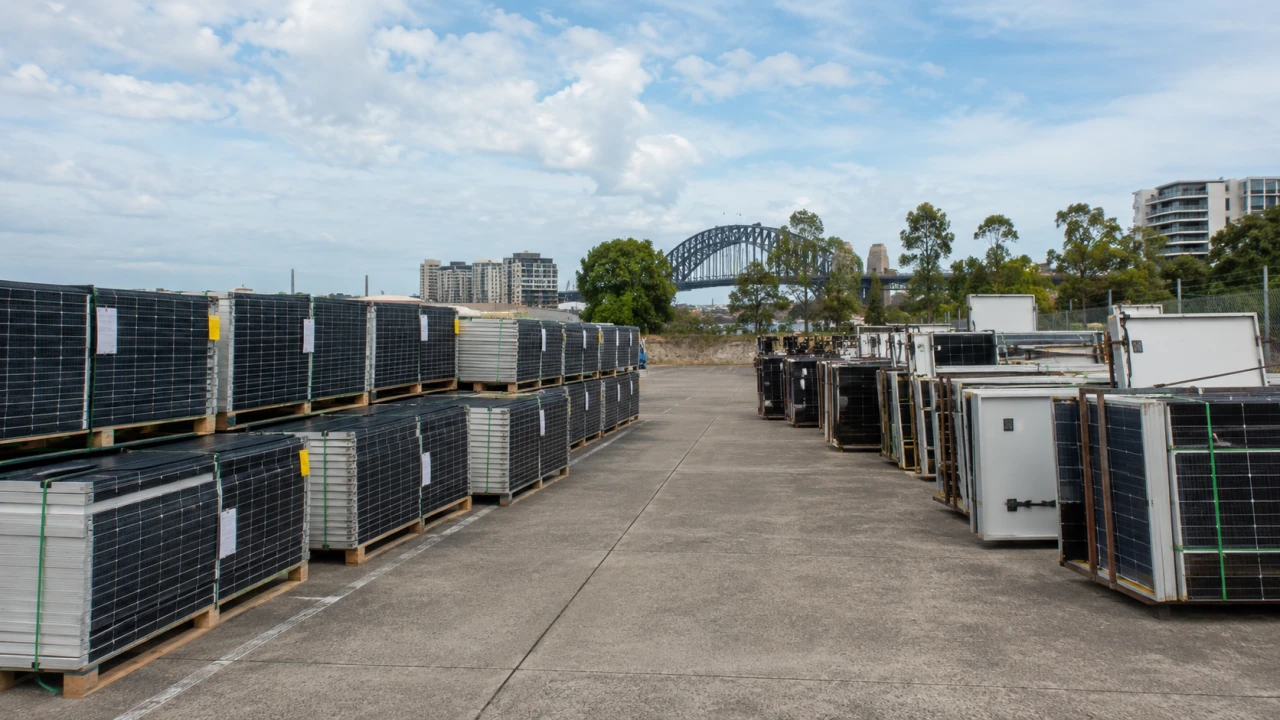
A warehouse-held solar-panel batch becomes easier to scope when the team separates the equipment, confirms the actual count and condition, and describes the ground-level loading route before asking for collection.

Australia has funded a national recycling pilot and is developing product-stewardship options, but no final national cost-allocation model has been confirmed. Here is what customers and project teams can rely on now.

Recycling technology is only one part of a project. Before an eligible collection can be scoped, the practical handover depends on real counts, condition, staging, access, contacts and readiness by batch.

An end-of-lease date does not itself settle who owns solar equipment, who removes it or whether collection is ready. This checklist separates property coordination from qualified removal and a ground-level collection handover.

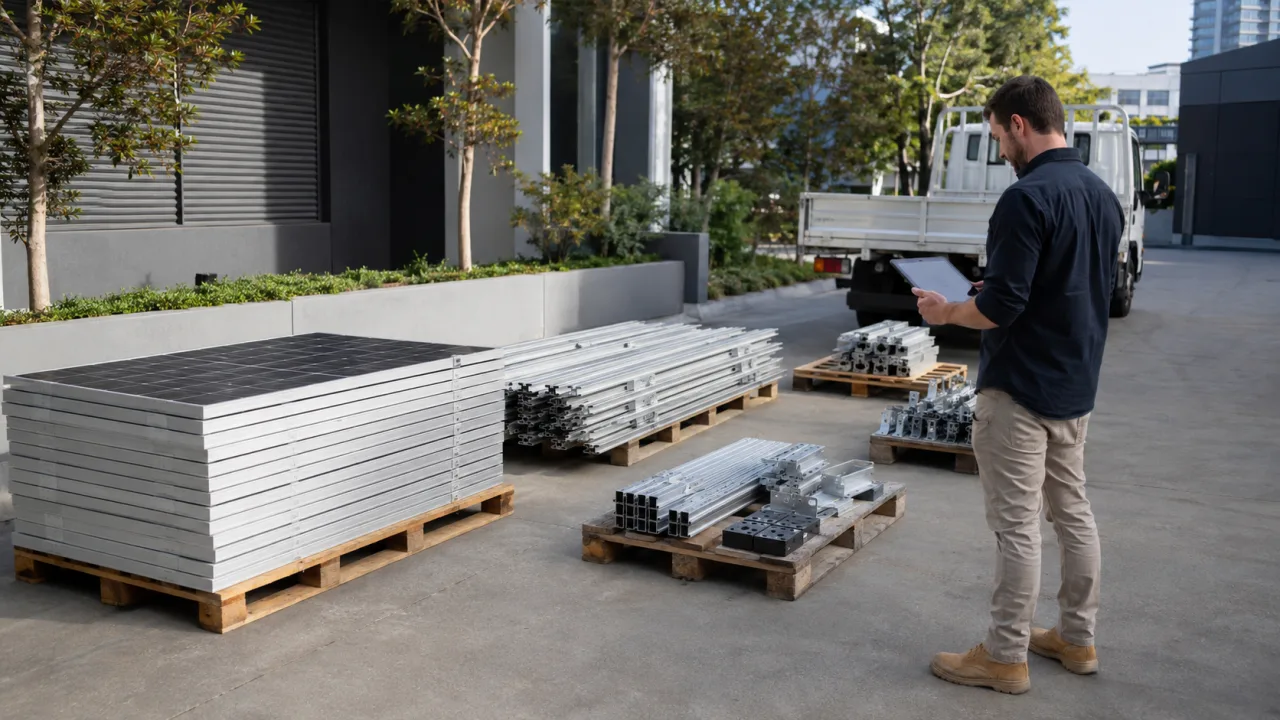
Panels, rails, clamps and cables from one system do not automatically make one collection scope. Inventory each actual removed group before a ground-level handover is confirmed.

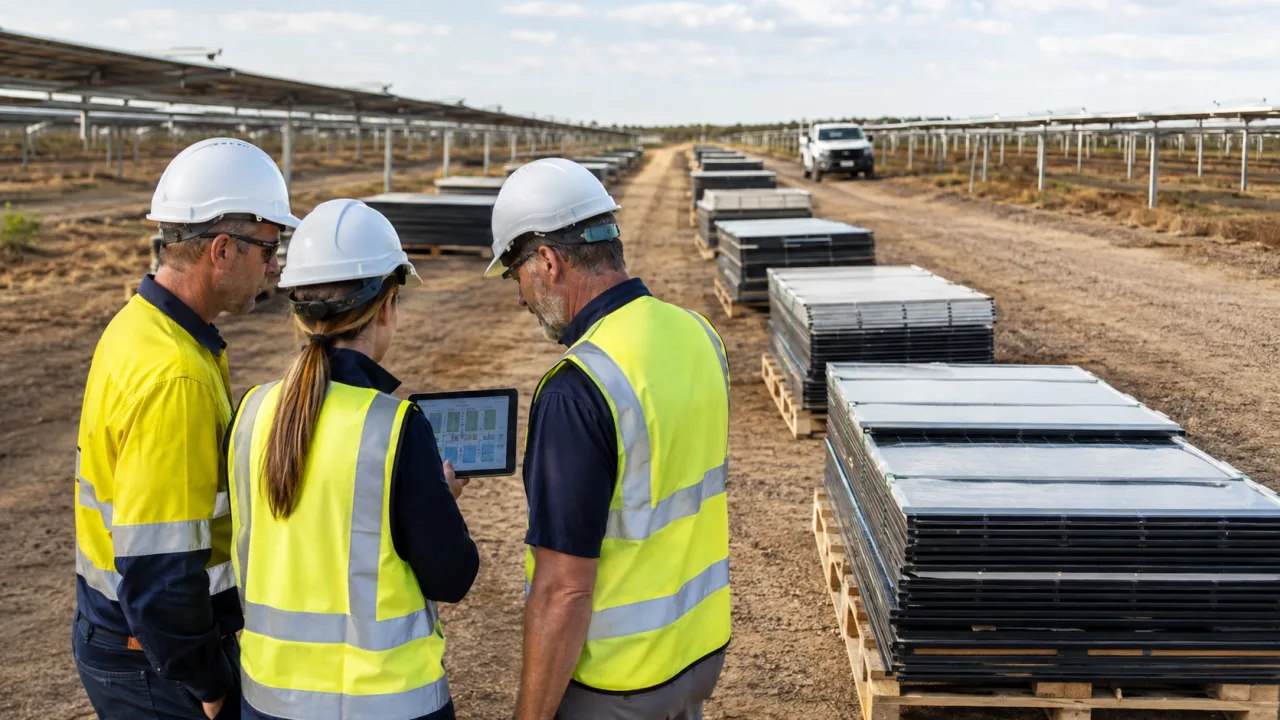
Utility-scale repowering logistics begin after qualified removal: reconcile each completed batch, set ground-level staging and access facts, then confirm the actual collection handover scope.

A warranty expiry date, an equipment condition assessment and a removed-panel collection are three different decisions. Keep their responsibilities and evidence separate.

A multi-site collection is a portfolio-scope exercise, not one larger panel count. Standardise the site inputs first, then confirm the actual access, equipment and staged-batch conditions for each location.

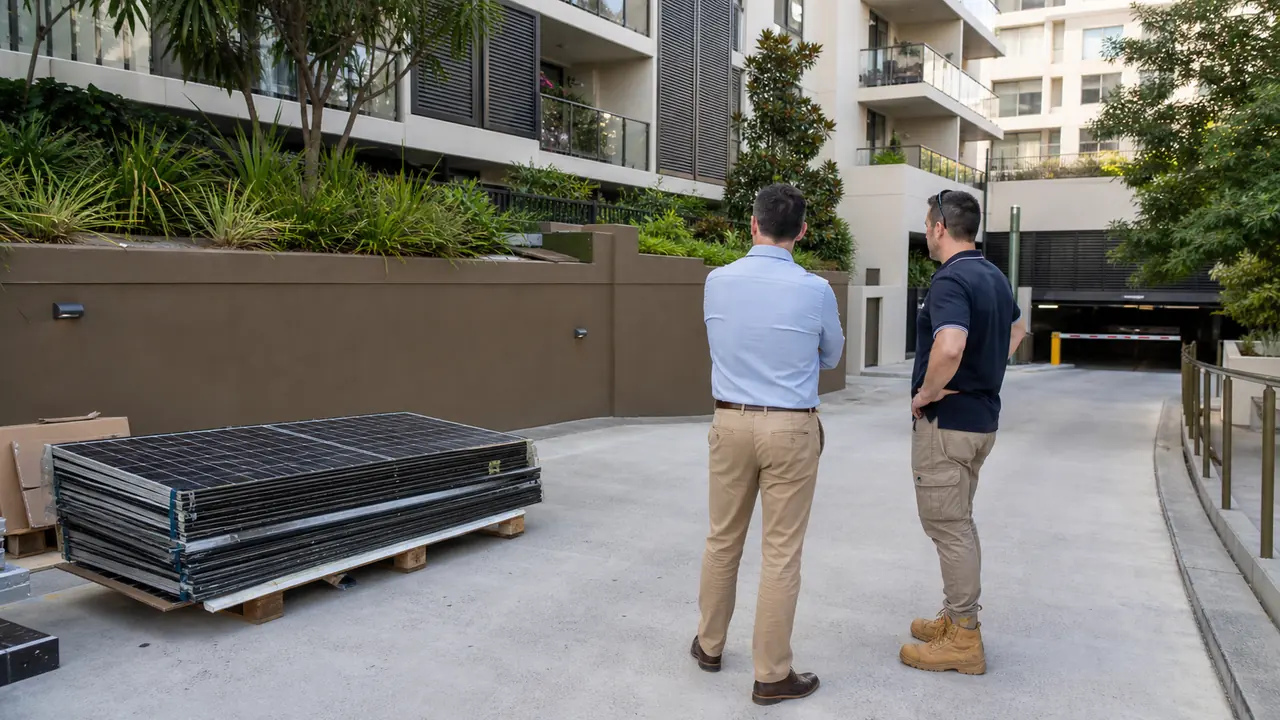
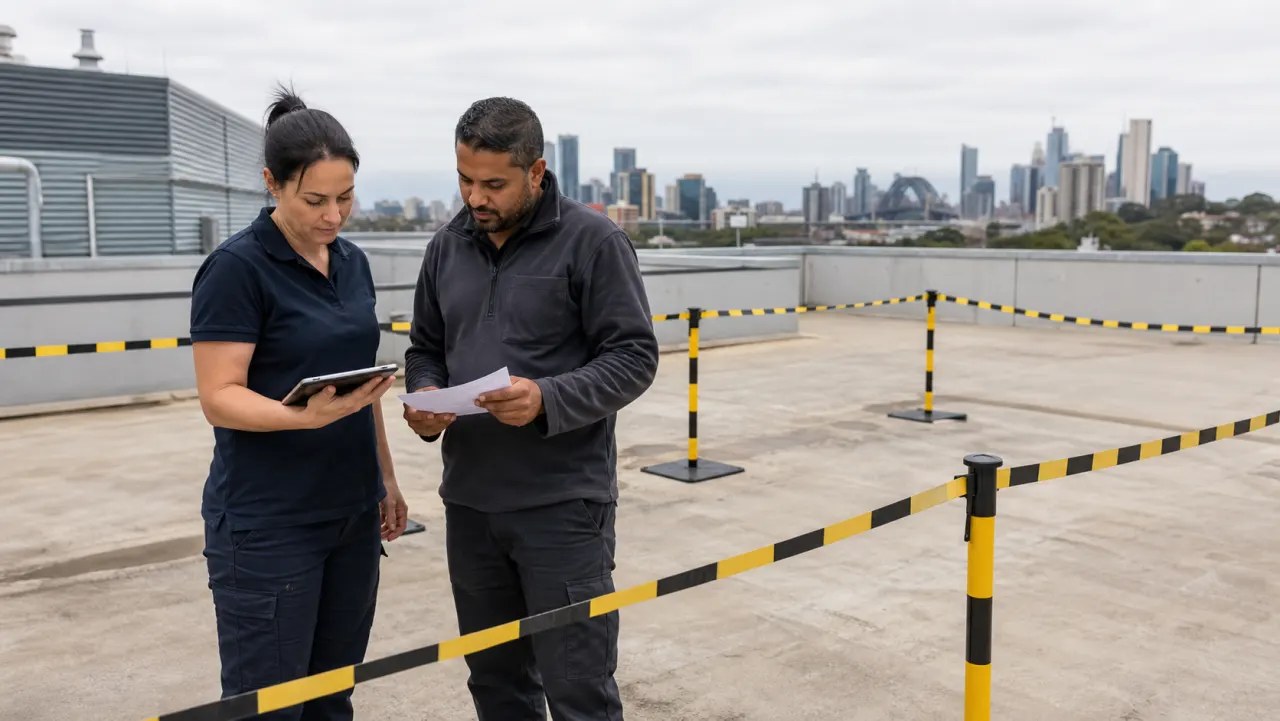
Strata collection planning is an access-coordination task: name the site contacts, protect the shared driveway and loading area, stage already removed equipment at ground level, then confirm the handover date and route.

After an upgrade, panels, rails and clamps do not automatically form one collection scope. A clear inventory, ground-level staging plan and loading-access description let the actual equipment and site conditions be assessed together.

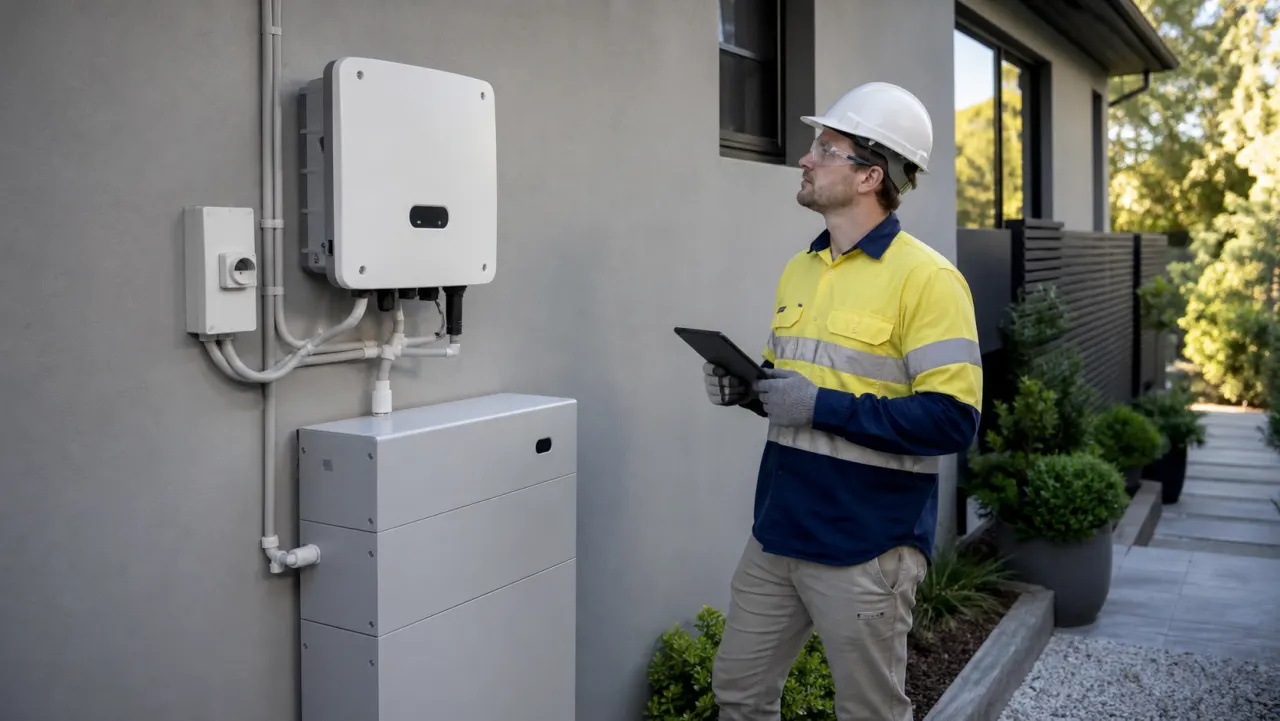
Inverters and batteries have different lifetime patterns. Use reference ranges, system performance and professional assessment to decide what needs replacing — then plan a separate handover for removed equipment.

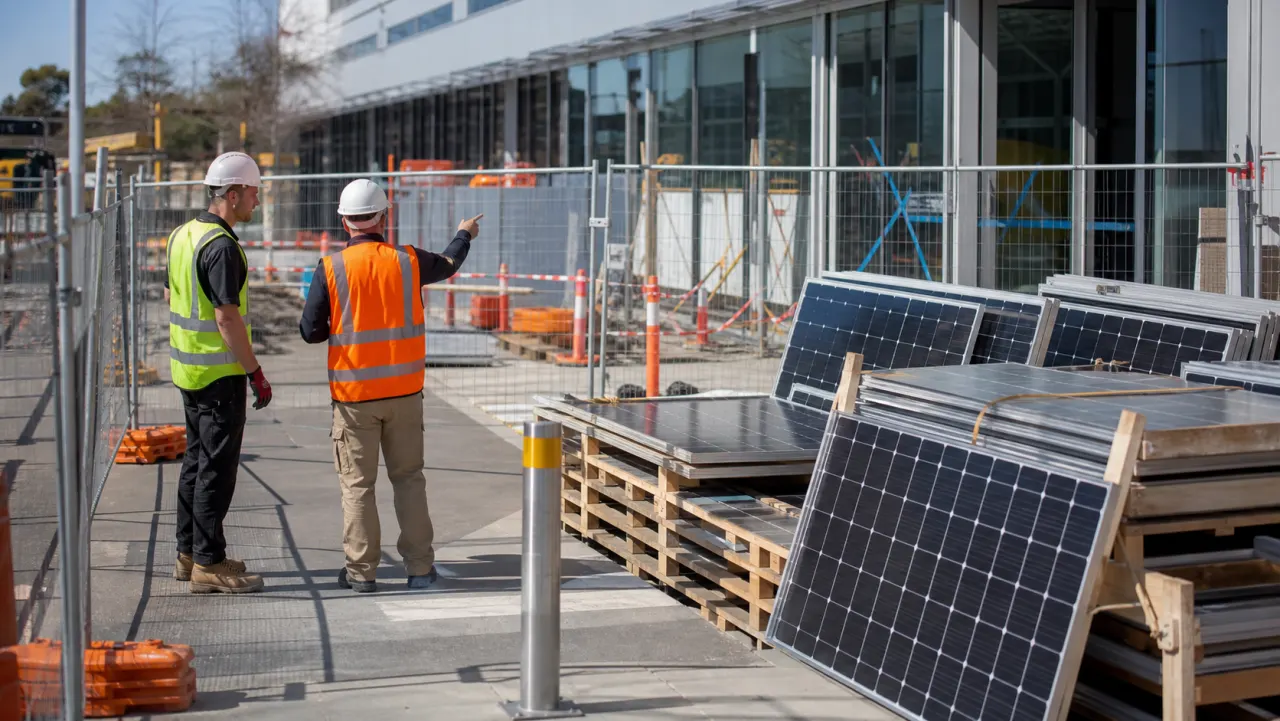
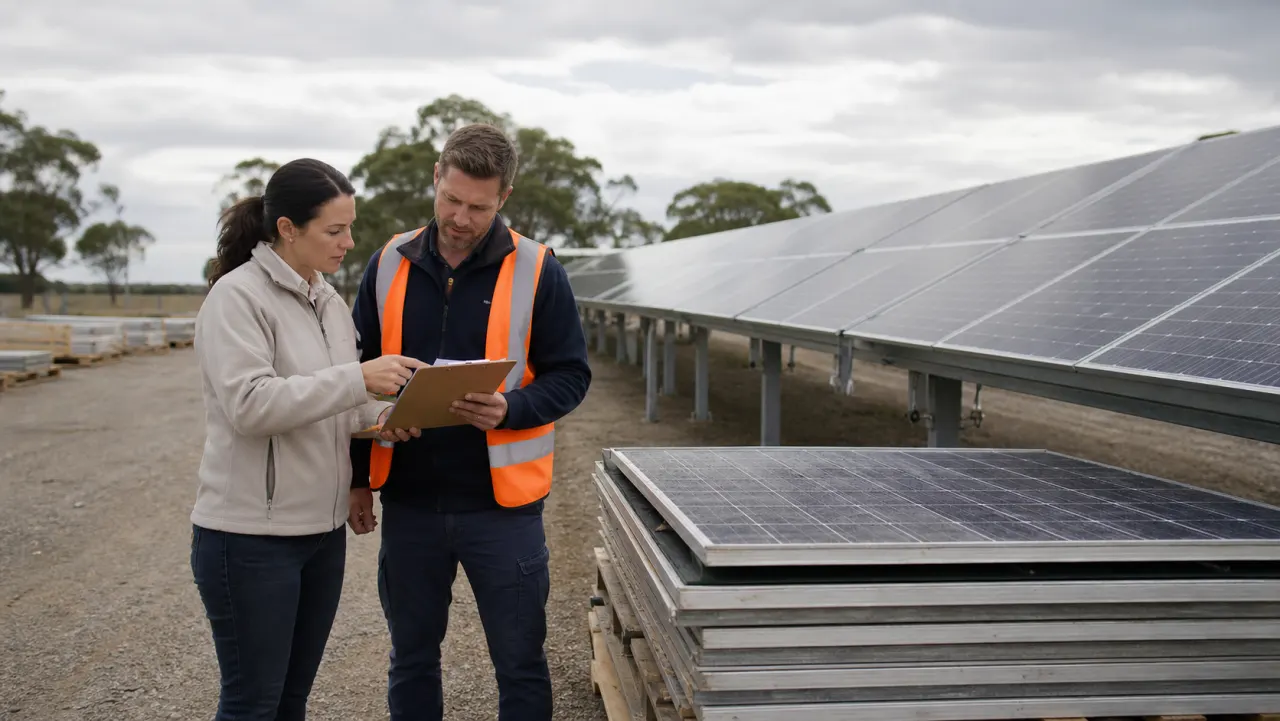
On a live site, removed panels need a planned ground-level handover: assign the role, protect a staging zone, keep access clear and request a collection assessment once the batch is ready.

NSW waste requirements depend on the material, project approvals and destination. This checklist helps a solar project prepare useful evidence without making a universal legal claim.

A collection record should make the handover easy to reconstruct: what was collected, from where, when, and who confirmed it — without pretending the job docket is a legal certificate.

Repowering is a site decision; reuse and recycling are downstream decisions for the removed modules. Use this evidence-first framework to separate them without assuming every panel has the same outcome.

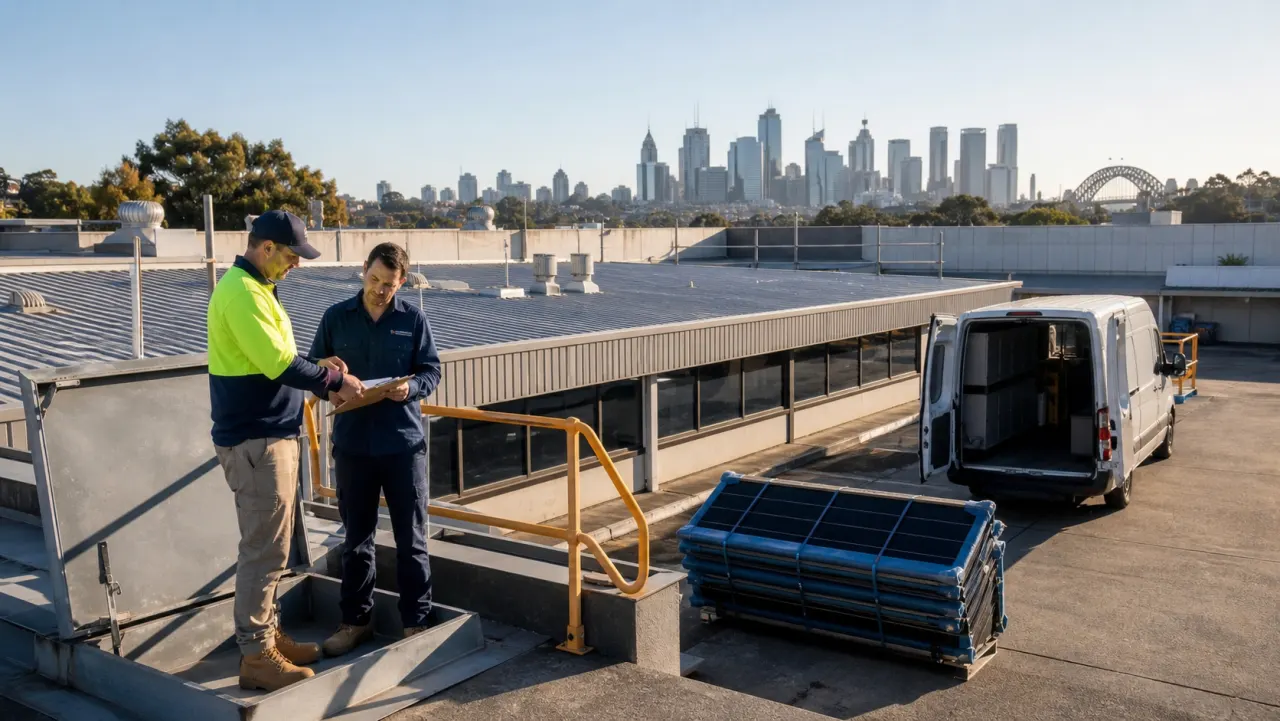
A roof replacement should not leave removed panels as an unplanned extra. This contractor-ready handover sequence aligns safe removal, ground-level staging, collection access and a documented pickup.

Australia's national pilot is designed to test collection, transport and recycling at selected locations. For installers, the immediate lesson is simple: clean counts, condition notes and practical handovers matter.

Commercial solar decommissioning is a handover problem as much as a recycling problem. Use this NSW-ready plan to align scope, access, staging, counts and documented collection.

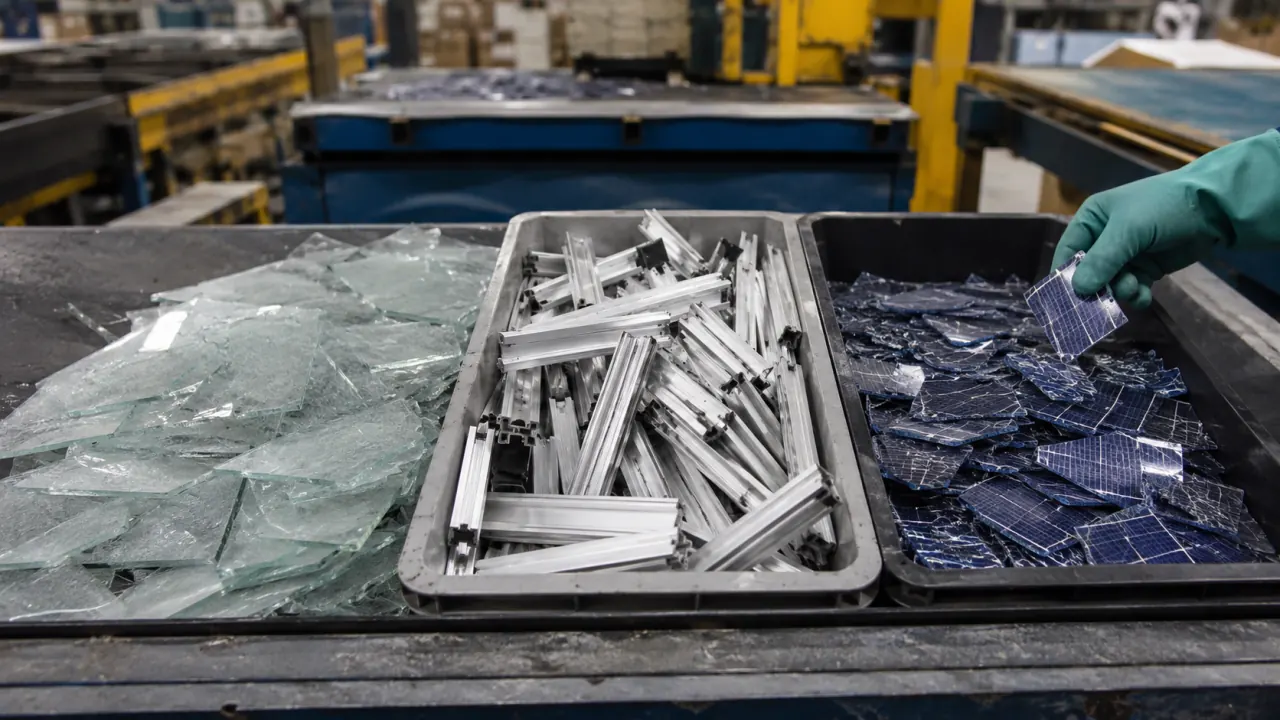
A crystalline-silicon panel is mostly glass and aluminium, with valuable silicon, silver and copper inside. Not every recycling process recovers each one — here's what comes out at commercial scale today.

A Sydney collection request starts with the real ready equipment, postcode, access and one contact. An eligible 10–69-panel batch can receive an indicative estimate; mixed equipment, larger batches or complex access need a tailored review. Online time selection is temporarily unavailable, so ReSova discusses availability only after the request is reviewed.

"Recycled" and "disposed of" get used almost interchangeably — but they're different outcomes with very different results. Here's what actually separates them.

If you're removing panels on the job regularly, a one-off quote every time is wasted admin. Here's what a ReSova Trade Account actually includes and how to apply.

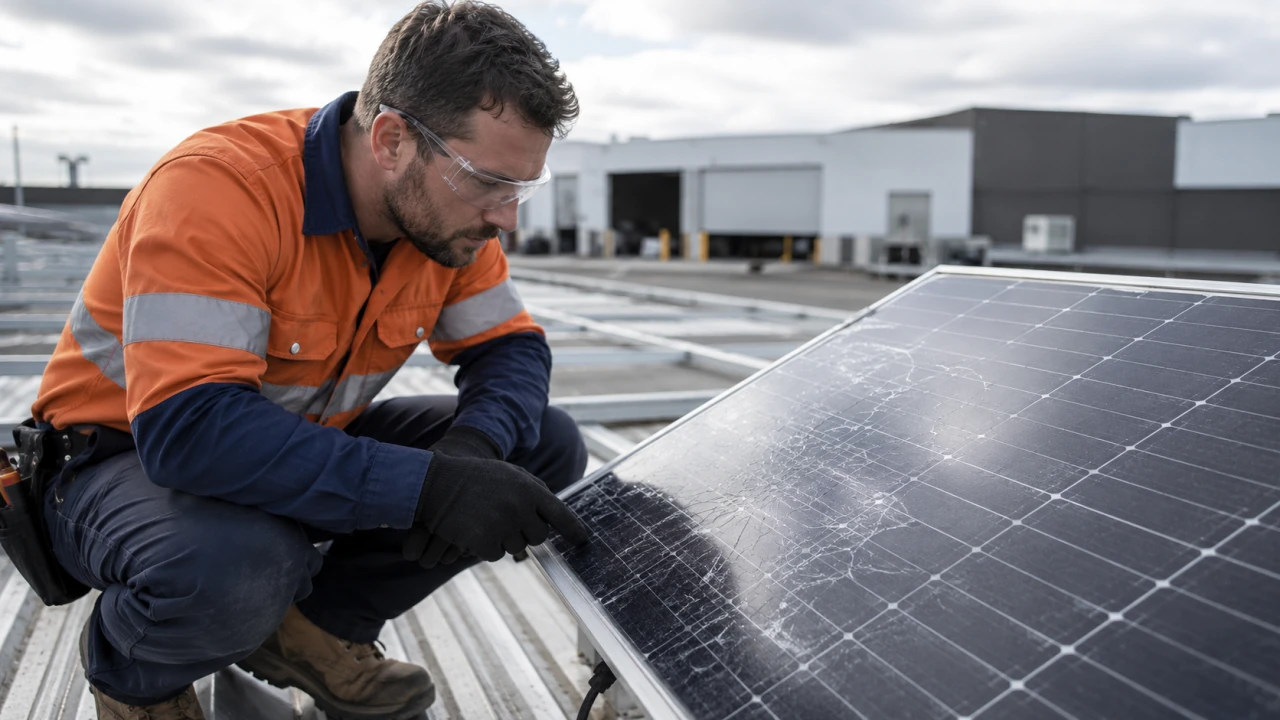
A cracked panel isn't automatically waste — but it isn't automatically safe either. Here's the honest answer on recycling broken solar panels, and how to handle them until collection.

Installers, electricians and businesses in Sydney end up with removed panels to manage. Here's how commercial collection actually works — one-off jobs, Trade Account pricing, quantities and site logistics.

Is a solar panel hazardous waste or e-waste in Australia? The honest answer depends on which classification you mean — here's how it actually breaks down.

A rooftop removal quote and a ReSova collection estimate cover different work. This guide separates the two scopes before explaining the collection-cost inputs.

Where do old solar panels go after collection? This guide separates ReSova's documented handover from later, conditional downstream pathways.

Can old solar panels be sold or earn money? This guide separates the general used-panel market from ReSova's collection-price pathway.

Not every removed panel is automatically waste or reusable. Learn what a separate technical assessment may involve and what ReSova records at collection.

Victoria treats photovoltaic panels as e-waste that landfills cannot receive. Rules elsewhere can differ and change, so this guide links to official sources and explains the practical alternative.

Solar panels are roughly 95% recyclable by material, yet most removed panels in Australia are still landfilled. Here's what actually happens today, what's changing in 2026, and how to recycle panels in Sydney.