

Quick answer: scope the ready batch, not the whole project forecast
For a phased replacement or removal project, ReSova can only assess equipment after appropriately qualified people have safely removed it and it is available for ground-level handover. The useful collection scope is therefore the actual ready batch—not the original system capacity, an expected final total, equipment still on a roof, connected equipment or a later removal stage. This page answers the six questions commercial teams most often need to settle before requesting review.
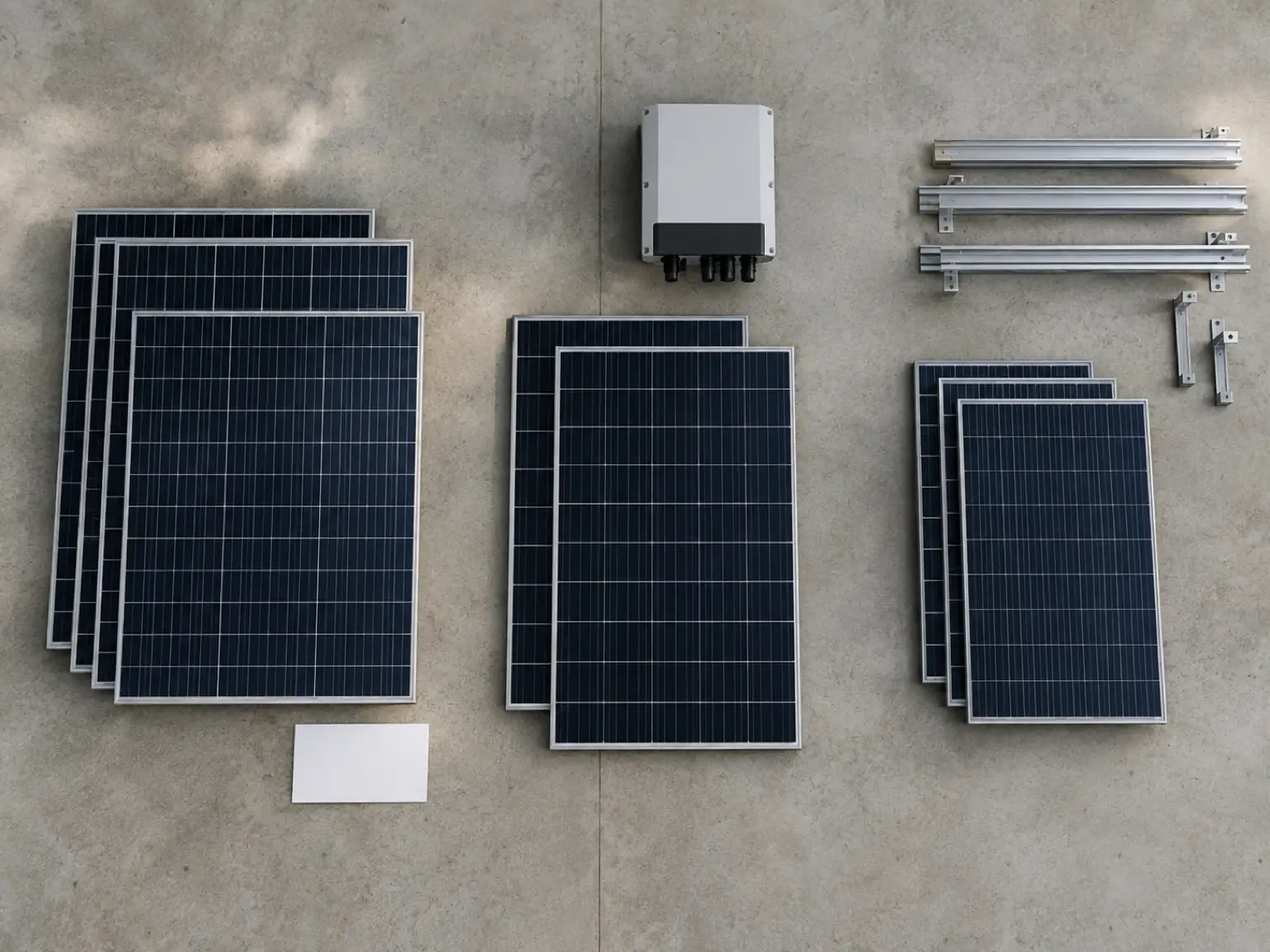
Separate the project states before you ask for a scope
| State | What to describe | What it does not mean |
|---|---|---|
| Ready now | Actual safely removed panels and separately listed equipment at a ground-level handover point. | Automatic eligibility, price or booking. |
| Still installed or connected | Keep it outside the ready batch and manage it through the responsible site and qualified people. | Equipment ReSova can remove or assess as collection-ready. |
| Planned later | Keep forecasts, upgrade plans and later-stage quantities as project context only. | A substitute for the actual current count or access facts. |
The six commercial scope FAQs
1. Should a project forecast be used as the ready collection quantity?
No. Use the actual number of panels currently ready at ground level. A forecast can help your own project programme, but it cannot replace the physical batch that is available for scope review.
2. Should installed, connected or later-stage equipment be listed with the ready batch?
No. Separate it. This prevents a request from implying that ReSova will disconnect, remove, test or access equipment that has not reached ground-level handover.
3. Do complete details or a preferred date confirm collection?
No. Counts, photos, dates and access notes make a review more factual, but they do not confirm acceptance, final price, vehicle, route, arrival time, booking, reuse, recycling or final destination.
4. When is a tailored commercial scope more appropriate?
Use the tailored-scope guide when the project has 70+ panels, mixed equipment, stages, multiple locations or complex access. A tailored scope is a review path, not a service promise.
5. What should be updated when a phased project changes?
Update the actual ready count, equipment categories, broad visible condition, ground-level handover point, access constraints and reachable site contact. Do not ask people to unpack, move, test or make technical judgments merely to create a more detailed list.
6. Can ReSova remove, disconnect, test or manage the site?
No. Electrical disconnection, removal, roof work, site safety, traffic management and technical testing remain with responsible site parties and appropriately qualified people. ReSova assesses eligible already removed equipment for a ground-level handover.
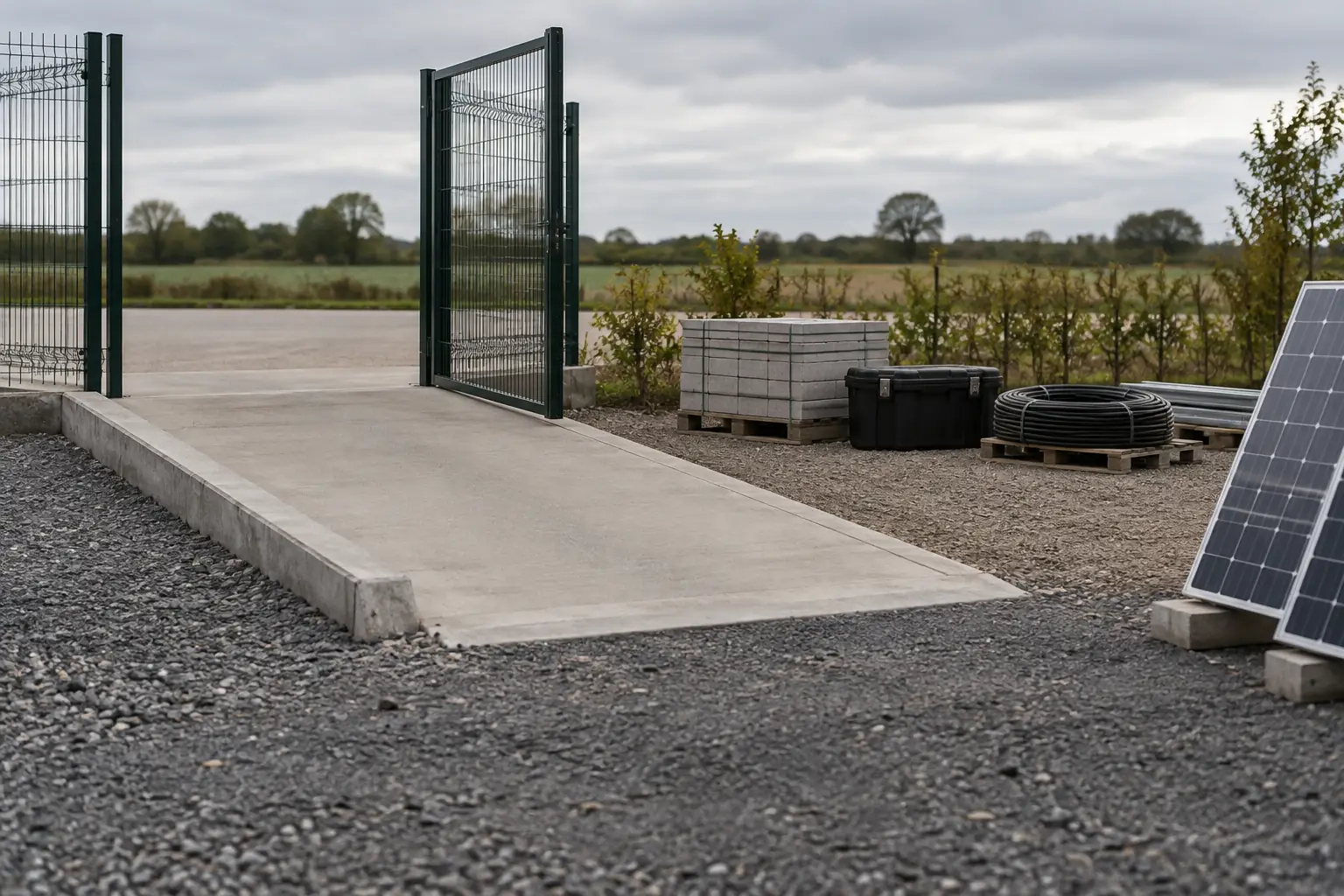
A factual update flow for a changing project
Keep scope information aligned with the actual handover
- Finish qualified removalDo not include roof-mounted or connected equipment in a ready collection batch.
- Count what exists nowUse the actual ready panel count and separately list other component categories.
- Describe the handoverIdentify the ground-level staging point, access limitations and site contact.
- Select the scope routeUse the estimator only where the eligible standard path fits; use Commercial Services for complex work.
- Update when facts changeTreat new equipment, counts or access conditions as a new scope input—not an assumed amendment to a booking.

Sources and dates checked
- Australian Government — Replace and recycle your solar system, checked 26 September 2026: removal should be handled by licensed or accredited professionals.
- NSW Government — Installing solar panels, checked 26 September 2026: regulatory context belongs with responsible installers and site parties.
- ReSova — Commercial Services, checked 26 September 2026: current commercial request pathway and scope boundary.
Key takeaways
- For a phased project, the collection scope should reflect only the actual safely removed batch ready for ground-level handover.
- Forecast, installed and later-stage equipment must remain separate from the ready batch.
- More details can support review but cannot confirm eligibility, price, vehicle, timing, booking or downstream outcome.
- 70+ panels, mixed equipment, staged batches, multiple sites or complex access are reasons to request tailored commercial review.
- ReSova does not perform electrical disconnection, removal, roof work, site safety, traffic management or technical testing.
Frequently asked questions
Should a project forecast be used as the ready collection quantity?
No. Use the actual ready ground-level count; a forecast or planned later removal is separate project context.
Should installed, connected or later-stage equipment be listed with the ready batch?
No. Keep it separate so the scope reflects only equipment that can actually be assessed after safe removal.
Do complete details or a preferred date confirm a commercial collection?
No. They support review only and do not confirm acceptance, price, vehicle, route, time or booking.
When is a tailored commercial scope more appropriate?
Consider a tailored review for 70+ panels, mixed equipment, staged batches, multiple sites or complex access. It is an assessment path, not a promise.
What should be updated when a phased project changes?
Update actual ready quantities, separately listed equipment, broad visible condition, ground-level handover, access constraints and a reachable site contact.
Can ReSova remove, disconnect, test or manage the site?
No. Electrical disconnection, removal, roof work, site safety, traffic management and technical testing remain with responsible site parties and appropriately qualified people.
Discuss a Commercial Collection
ReSova considers eligible, already removed equipment in Sydney and selected NSW areas after the ground-level handover and site access can be confirmed. It does not decide removal, technical condition or a final downstream outcome.