
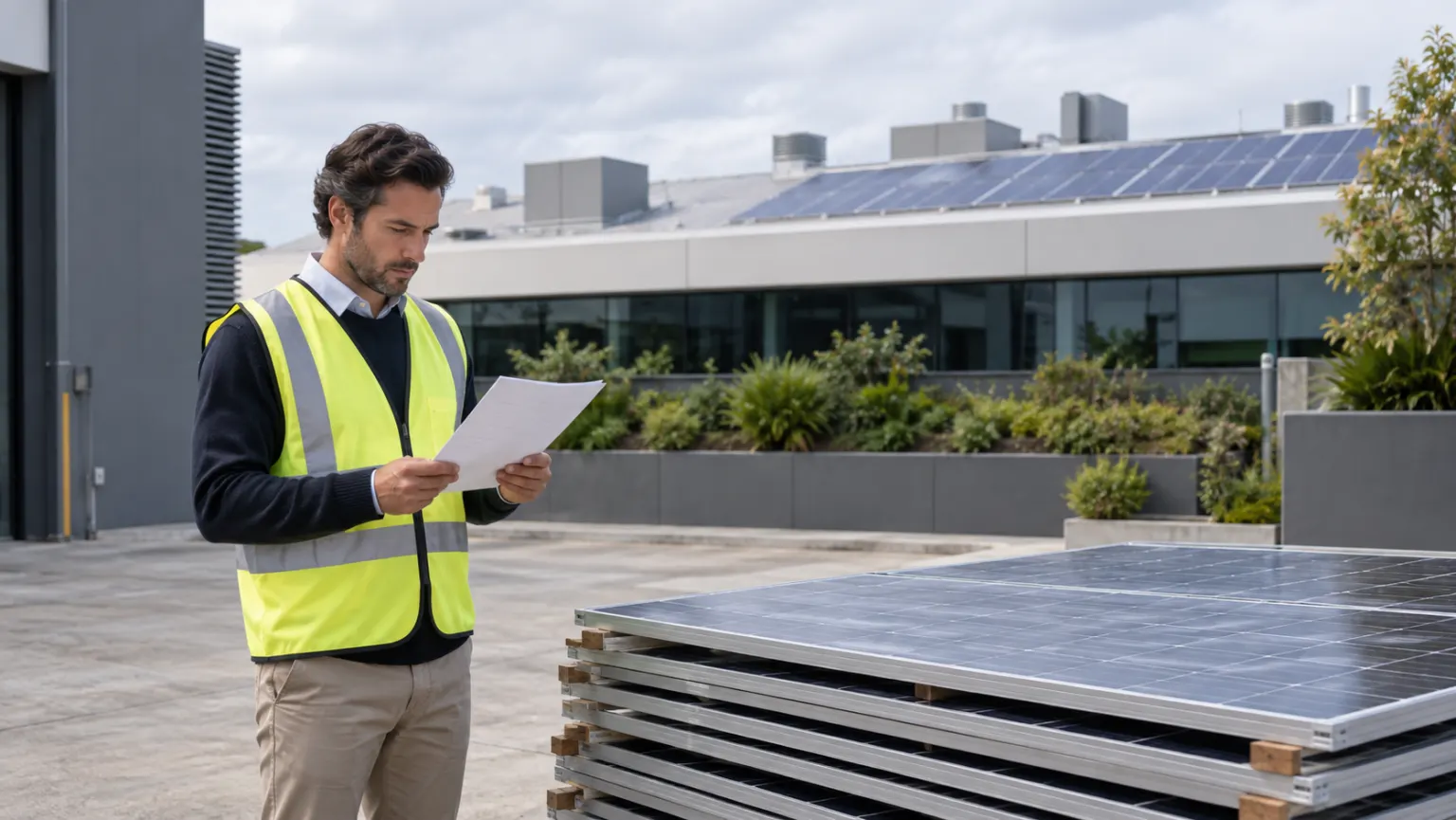
Quick answer: scope the batch that is ready now
A collection scope should describe only the equipment that appropriately qualified people have already safely removed and made available for a ground-level handover. Keep three states distinct: the actual ready batch, equipment that remains installed or connected, and equipment expected to be removed later. ReSova can assess the first group only; a scope request does not confirm eligibility, price, vehicle, route, timing or booking.
Separate the equipment states before requesting review
- Ready batch: the actual solar panels and separately listed equipment already safely removed and available at the stated ground-level handover point.
- Still installed or connected: panels or components that remain on a roof, wall, plant area or electrical system. They are not part of the ready batch.
- Expected later: equipment in an upgrade or removal plan that has not yet been removed. Keep it out of the current scope rather than presenting an estimate as an actual count.
| Equipment state | How to describe it | What it does not establish |
|---|---|---|
| Already removed and ready | Actual panel count, separately listed components, broad visible condition and the ground-level handover point. | Eligibility, price, collection vehicle, time or booking. |
| Still installed or connected | Keep it outside the current ready-batch count; it may be relevant only as project context. | That it can be collected before qualified removal and ground-level handover. |
| Planned for later removal | Record it as a future project change rather than adding it to today’s request. | A confirmed future scope, acceptance or collection arrangement. |
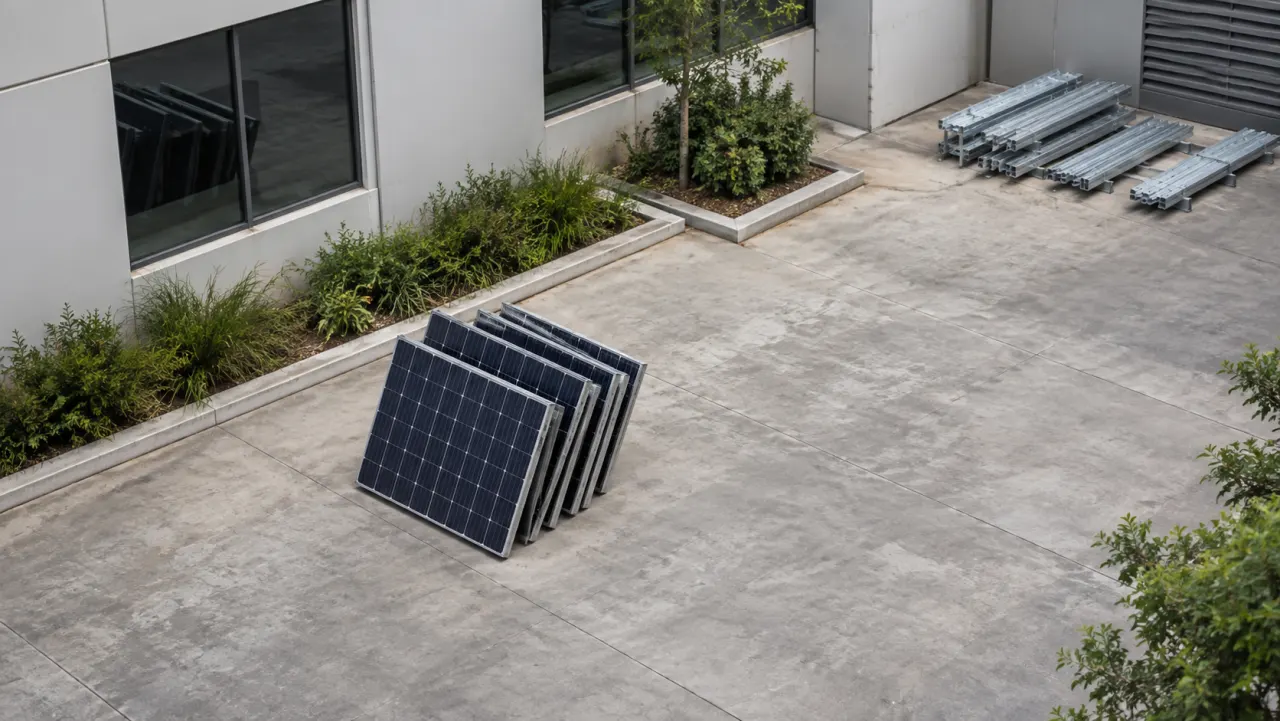
Use the actual ready count, not the original system forecast
Original system capacity, an upgrade plan and a final expected quantity can be useful project context, but none replaces the actual ready panel count. Describe the panels present now, then list inverters, rails, racking, cables and other equipment as separate categories. For a practical equipment breakdown, see what ReSova collects and the system-size versus panel-count guide.
This distinction is especially useful for a partial solar panel removal collection request during a solar upgrade. A project may eventually remove a whole system, while the only batch ready for review today is one completed work area. Reporting that completed batch avoids merging assumptions about installed equipment, replacement equipment and later works into a single number.
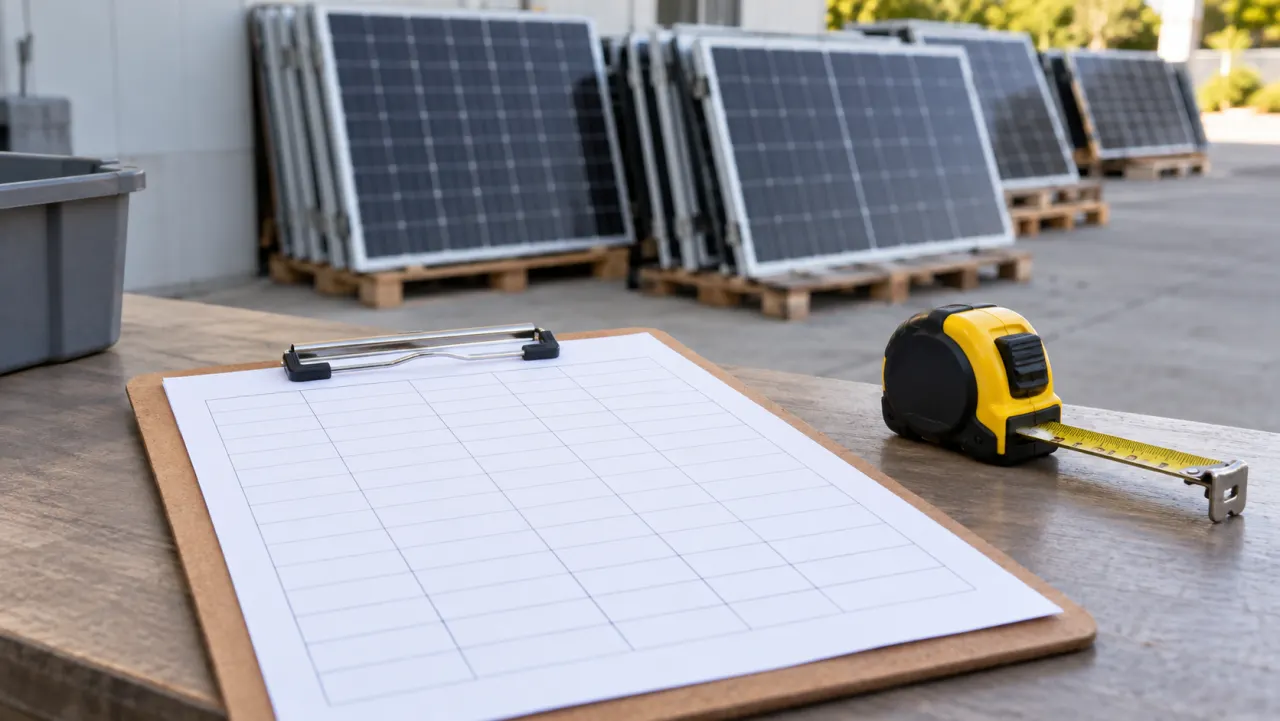
Update changed facts and move complex work to a tailored scope
Update the request as additional equipment is removed: actual count, equipment category, broad visible condition, ground-level handover point, access or loading constraint, and reachable site contact. A partial-removal request may need a tailored commercial scope where batches are staged over time, equipment is mixed, access is complex, or the project has other non-standard facts. The collection estimator is for an eligible standard request; Commercial Services and the tailored-scope guide are the right places to start a broader discussion. An update or enquiry does not itself confirm acceptance, price or booking.
A practical update routine for staged removal
- Record the completed batchAfter qualified removal, record only the actual ground-level panels and separately listed equipment that are ready now.
- Keep future work outside the current countIdentify equipment that remains installed or is due to be removed later without adding it to the ready batch.
- Confirm the handover factsProvide the real handover point, known entry or loading constraints and a contact who can confirm site facts.
- Refresh the request when the batch changesA revised count or access detail supports review of the actual job; it does not create a booking or alter an unconfirmed scope automatically.
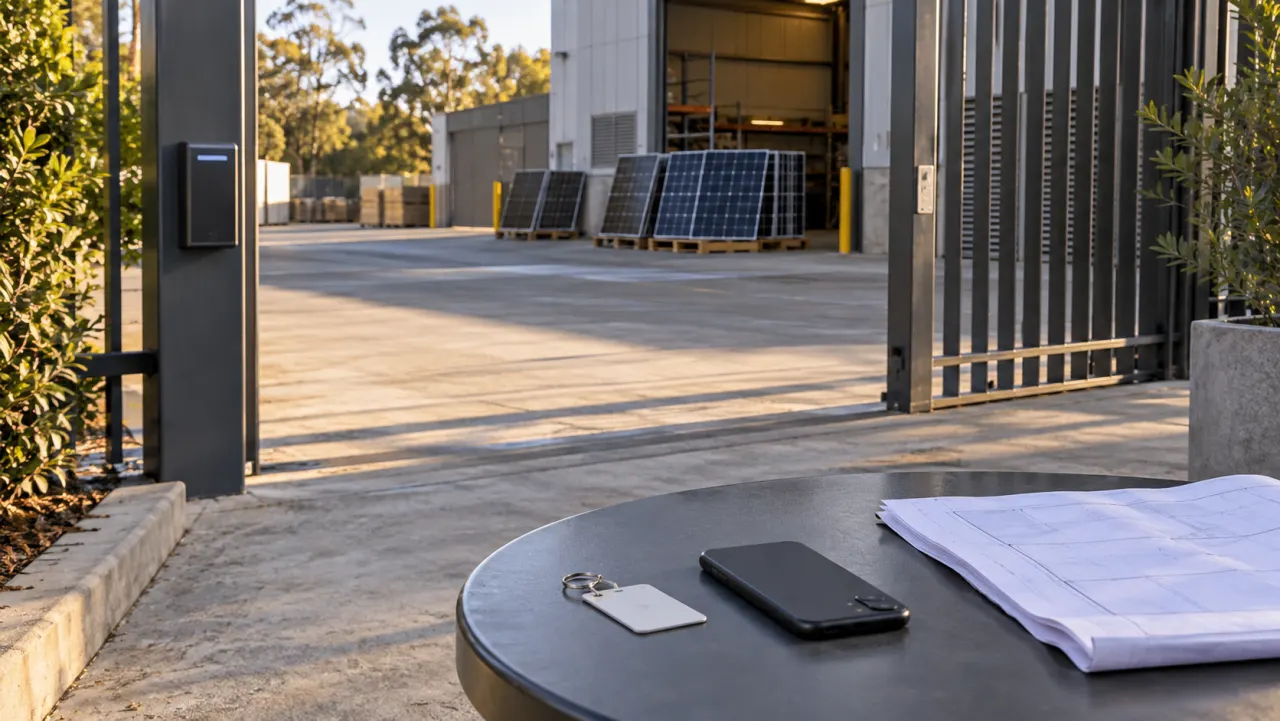
Removal and site responsibilities remain with the site
ReSova does not provide electrical disconnection, dismantling, roof work, on-site safety, traffic management, technical testing or legal advice. Those responsibilities remain with the responsible site parties and appropriately qualified people. NSW Government guidance says electrical wiring work requires the relevant licence or certificate. For contractor context, read rooftop solar replacement and collection.
That boundary is part of a useful commercial scope, not a gap in the brief. It lets the installer, building representative, warehouse team and coordinator keep their own work, access and site controls clear while ReSova considers the independently described post-removal equipment. It also prevents a collection enquiry from being treated as a removal instruction or a project-management commitment.
Sources and dates checked
- NSW Government — Electrical work, checked 24 September 2026.
- Australian Government — Replace and recycle your solar system, checked 24 September 2026.
Key takeaways
- The ready batch is the only equipment group a current collection scope can describe.
- Installed, connected and later-removal equipment should remain separate from the actual ready count.
- Changed facts support review; they do not confirm acceptance, price or booking.
Frequently asked questions
Can ReSova collect panels that are still installed on a roof?
No. ReSova assesses eligible equipment only after appropriately qualified people have safely removed it and it is available for a ground-level handover.
Should removed and still-installed solar equipment be listed together?
No. Keep the actual ready ground-level batch separate from installed, connected, future-removal or newly installed equipment so the request describes what can actually be reviewed.
When does a partial-removal request need a tailored scope?
A tailored commercial scope is appropriate when removal is staged, equipment is mixed, batches are prepared at different times, access is complex or the project has other non-standard facts.
What should be updated after more equipment is removed?
Update the actual ready count, equipment categories, broad visible condition, ground-level handover point, access facts and reachable site contact. An update supports review only; it is not acceptance or a booking.
Get an Estimate
ReSova considers eligible, already removed equipment in Sydney and selected NSW areas after the ground-level handover and site access can be confirmed. It does not decide removal, technical condition or a final downstream outcome.