
Quick answer
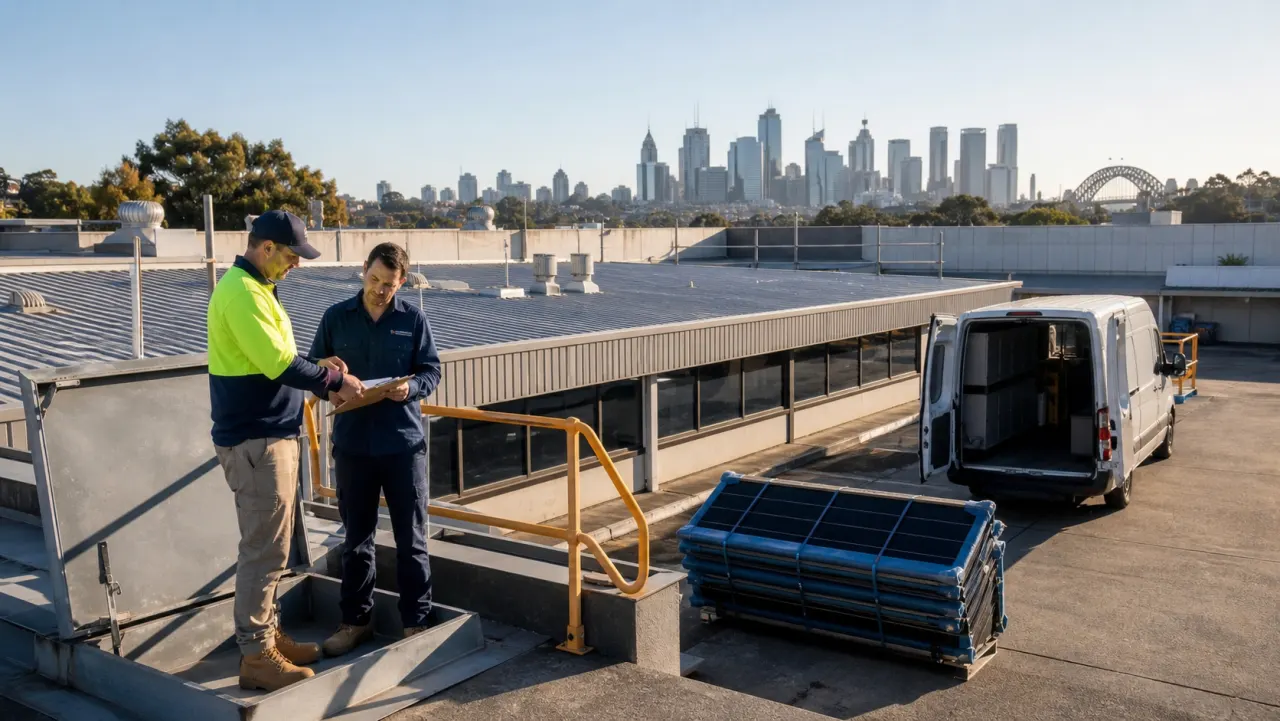
The cleanest rooftop solar replacement handover is planned before the roof work starts: a qualified team safely disconnects and removes the equipment, the site team counts and stages the panels at ground level, then collection is booked around actual access and quantity. ReSova is not an electrical removal or reinstallation contractor; it collects eligible panels once they are ready to hand over.
Plan before the roof day
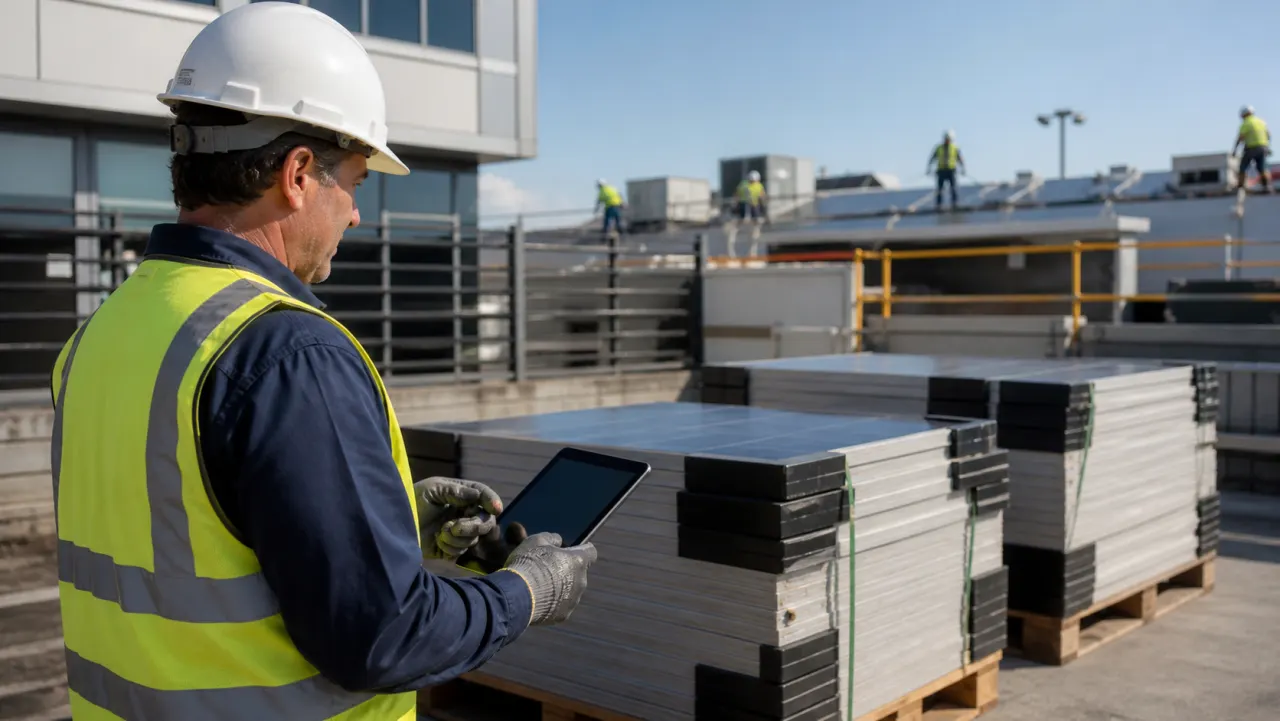
A roof replacement and a solar-panel collection are connected but different scopes. The Australian Government’s Solar Consumer Guide says components need professional removal and recommends licensed, accredited solar professionals for replacement work. The collection plan starts after that removal: decide where panels can be safely staged, who can confirm the count, and whether the pickup vehicle can enter without interfering with roofing deliveries, site exclusion zones or residents.
Rooftop replacement handover matrix
| Before the work | Site owner / trade lead | Collection-ready outcome |
|---|---|---|
| Removal scope | Confirm the qualified team responsible for electrical disconnection and removal. | Panels are no longer electrically connected before collection is considered. |
| Count and condition | Record approximate quantity and broad visible condition as panels come down. | The collection request reflects a sound, damaged or mixed batch rather than a guess. |
| Ground-level staging | Set a protected, accessible area away from roofing materials and vehicle paths. | Panels can be collected without returning to the roof or moving a skip. |
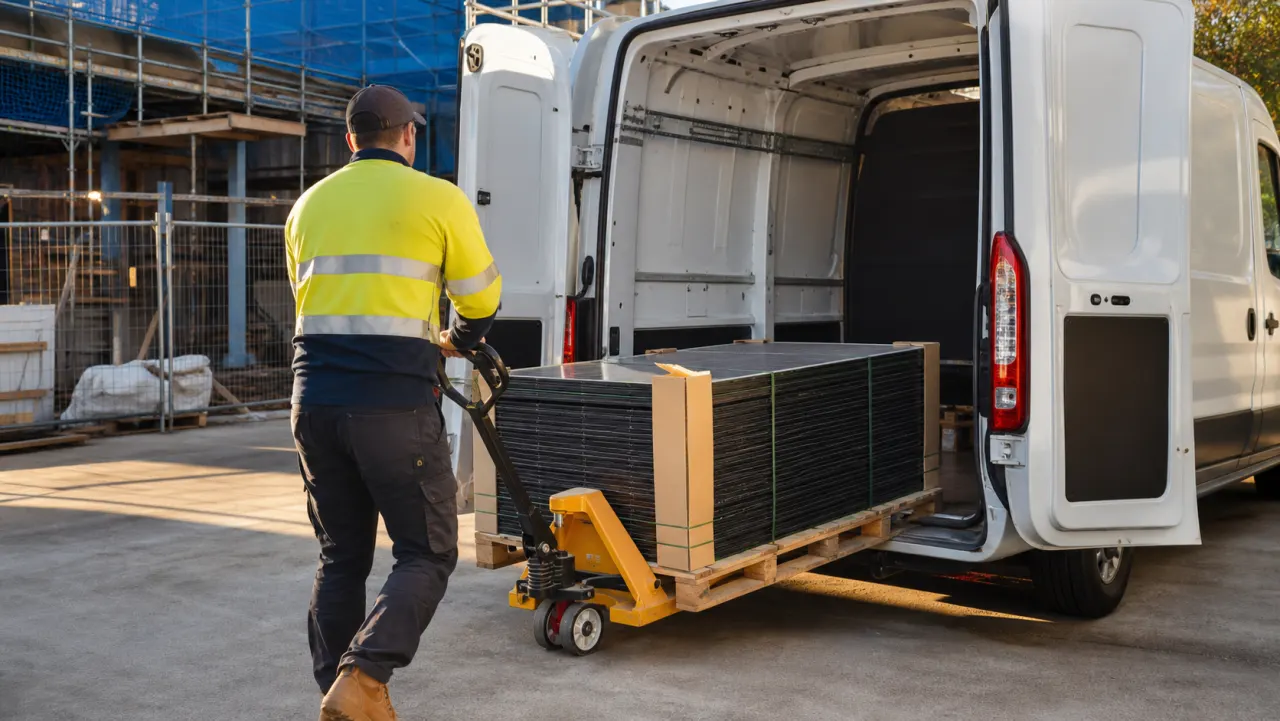
| Vehicle access | Check gates, height limits, loading zone rules and the site contact. | Pickup can be scoped around the actual access constraints. |
Use four photos to explain the handover—not to diagnose panels
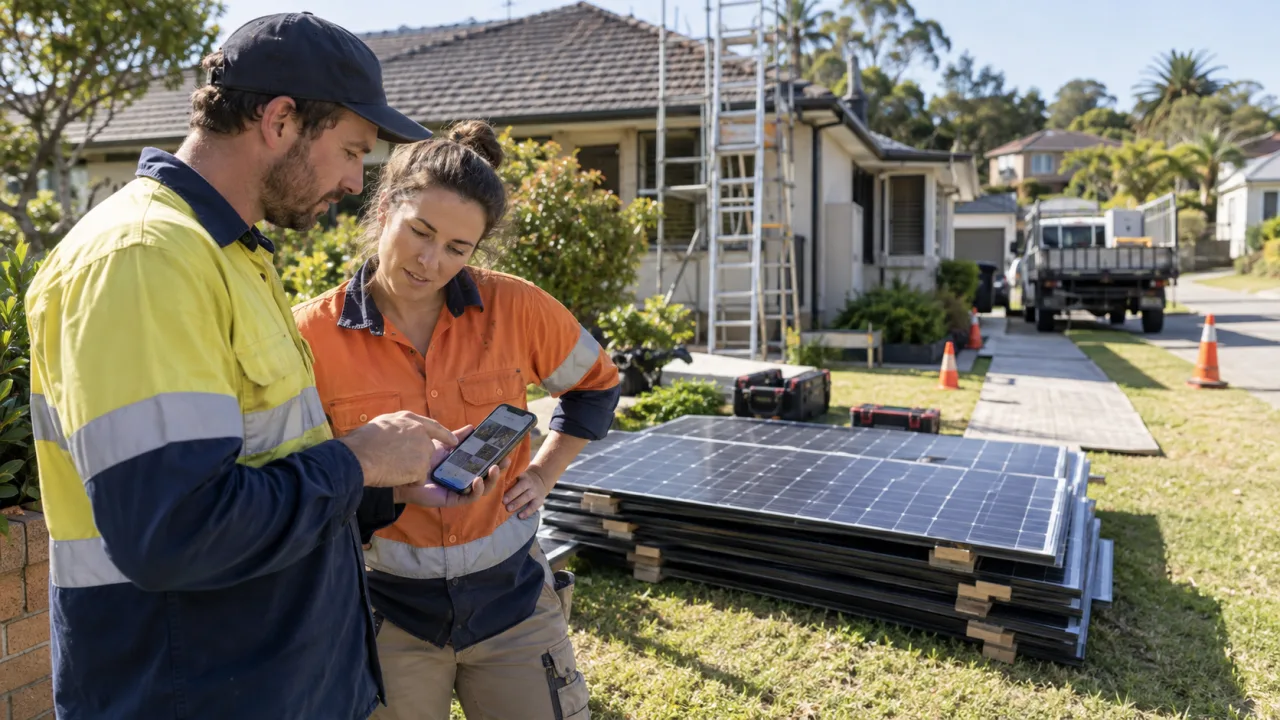
A concise photo set can prevent repeated questions when a roofing contractor, installer or site contact asks for collection after the panels are down. Send one wide view of the complete batch, one clear view of any visible damage or mixed condition, one view of the protected ground-level staging point and one view along the route to vehicle access. Include the count and postcode in words; do not expect an image to establish electrical safety, internal condition, reuse suitability or legal classification.
| Photo | Show | Do not treat it as |
|---|---|---|
| Full batch | All removed panels and any separately grouped equipment. | A substitute for the actual item count. |
| Visible condition | Cracks, shattered glass, fire effects, contamination or mixed condition where present. | Electrical testing, a hazard assessment or acceptance confirmation. |
| Ground-level staging | Where the batch will wait after qualified removal, including how it is stacked. | Permission to block a driveway, footpath or active work zone. |
| Loading route | Distance, gates, stairs, height restrictions and the vehicle approach. | A guarantee of vehicle type, arrival time or loading scope. |
A four-step collection sequence
From roof replacement to documented handover
- Separate the scopesA qualified trade completes electrical disconnection and removal; collection is planned as a separate handover after that work.
- Count and stagePlace panels at safe ground level, protect them from further damage and note quantity, visible condition and any mixed equipment.
- Confirm access and quote pathUse the estimator for 10–69 panels where the job fits the online scope; 70+ panels or unusual access need a tailored request.
- Collect and recordAt pickup, eligible items are counted and recorded on a job docket before entering the appropriate downstream sorting pathway.
For Sydney installers, electricians and roofers
The useful operational win is not a promised same-day pickup; it is avoiding a surprise disposal decision after the roof crew has mobilised. For a Sydney replacement job, have the count, access notes and staging location ready once panels are removed, then use the collection estimator to check the appropriate next step. For a more detailed installer handover checklist, see removed solar panels for installers. ReSova can assess intact, damaged and mixed panel batches within its collection scope; broad visible condition informs scope and handling but does not guarantee a downstream outcome.
Key takeaways
- Plan the collection handover before the roof day, but only after qualified electrical removal is complete.
- Count, broad condition, safe ground-level staging and vehicle access are the practical inputs that prevent an unplanned panel pile.
- ReSova collects eligible panels after removal; it does not disconnect, remove or reinstall rooftop electrical equipment.
- Use the estimator for 10–69 panels where eligible; 70+ panels or unusual access need a tailored scope.
Frequently asked questions
Can ReSova remove solar panels from a roof during replacement?
No. Electrical disconnection and removal need to be carried out by appropriately qualified people. ReSova's role begins once eligible panels are safely removed and ready for ground-level collection.
What should a contractor confirm before booking a collection?
Confirm the actual panel count, broad condition, ground-level staging location, vehicle access, contact person and whether other equipment is included. A small photo set showing the full batch, visible damage, staging point and loading route can help explain those conditions, but it is not an electrical inspection or safety certificate.
Will arranging collection delay a roof replacement?
A pre-planned handover helps avoid unnecessary panel storage or a separate disposal run, but collection timing depends on quantity, access and the confirmed scope. ReSova does not guarantee a particular arrival time; use the estimator for 10–69 panels or request a tailored scope for larger or unusual jobs.
Get an Estimate
ReSova considers eligible, already removed equipment in Sydney and selected NSW areas after the ground-level handover and site access can be confirmed. It does not decide removal, technical condition or a final downstream outcome.