
Quick answer
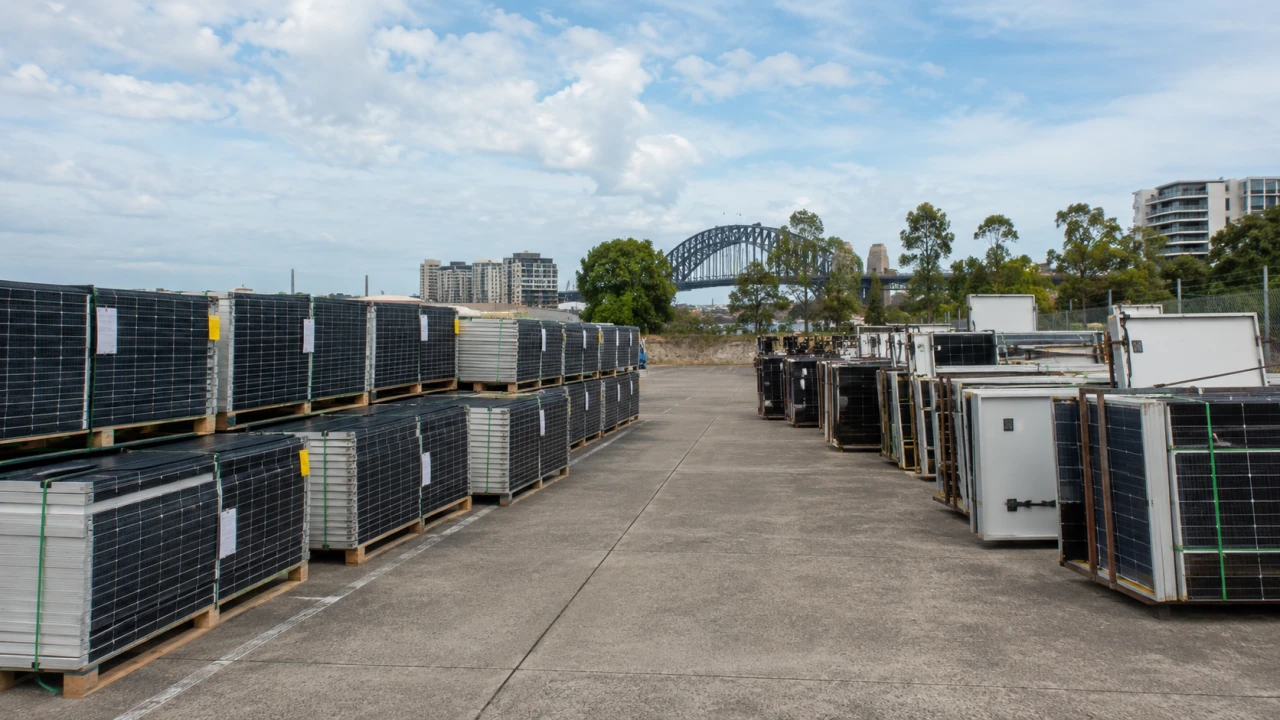
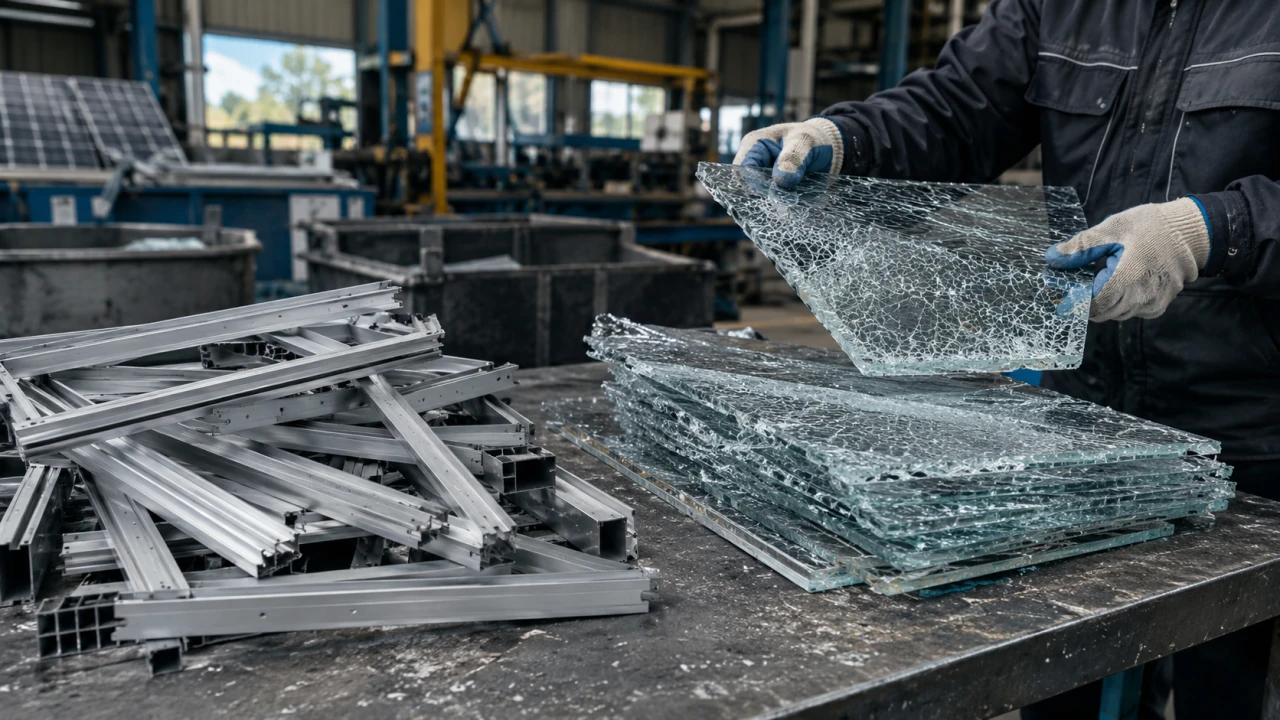
They’re not the same outcome. Disposal means a panel goes to landfill — nothing is recovered. Recycling means it’s broken down to recover materials, mainly the aluminium frame and glass, which are the easiest and most valuable to separate; other materials, including plastics, silicon and trace metals, often still end up in landfill even through a recycling process. On Australia’s waste hierarchy, recycling sits only slightly above disposal — reuse of a still-functioning panel ranks well above both. About 10% of Australian panels are currently recycled, according to Charles Darwin University researchers; most of the rest are stockpiled, exported or landfilled.
What’s actually different
The two words get used almost interchangeably, but they describe different processes with different results:
| Disposal (landfill) | Recycling | |
|---|---|---|
| What happens | Panel is buried whole or crushed on-site | Panel is broken down and sorted into material streams |
| Materials recovered | None | Mainly aluminium frame and glass; other materials vary by facility |
| Position on the waste hierarchy | Bottom — last resort | Just above disposal, below reuse |
| Reversible? | No — value and materials are lost | Partially — some material value is recovered |
Why recycling isn’t a perfect fix
Recycling is the better outcome, but it’s not a clean solution either. Current commercial recycling processes mainly recover the aluminium frame and the glass, because they’re the easiest and most valuable materials to separate. Plastics, silicon and trace metals often still end up in landfill even through a “recycling” process, because a panel is laminated and sealed to survive 20+ years on a roof — in other words, it’s not made to be unmade. That’s a structural reason recycling is harder and more expensive than recycling most other products, not a one-off failure of any particular facility.
Where reuse fits in
Above both options sits reuse: a panel that’s still working and gets a second life keeps its full value, with nothing broken down or lost. Many panels are removed well before they’ve actually reached end of life, which makes reuse a genuine option far more often than people assume — we cover how that assessment works in second-life solar. Recycling is the right pathway for panels that are damaged or genuinely finished, not the default for every removed panel.
The legal landscape
Because landfill disposal wastes recoverable material, several Australian states already restrict or ban it for solar panels, with more expected to follow as a national approach develops — the detail differs by state and is changing, so we keep the current position in a dedicated guide: solar panels and landfill rules.
How ReSova handles it
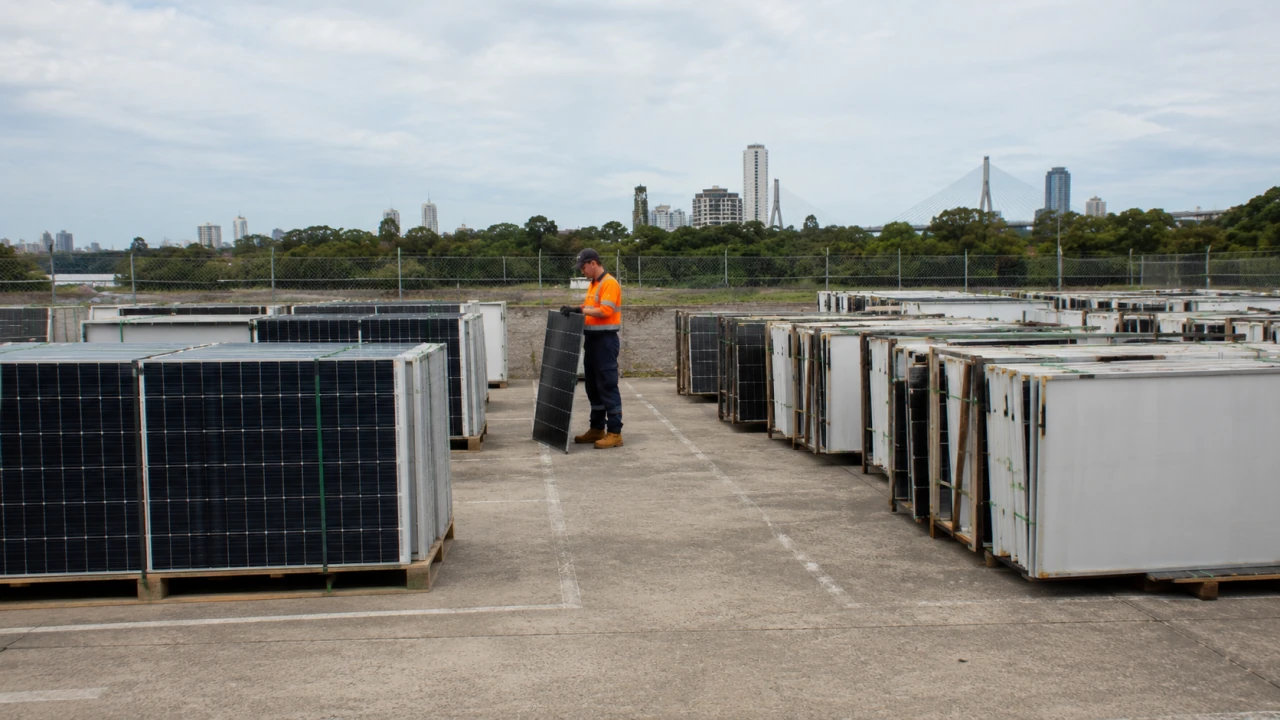
ReSova records the collection handover and broad visible condition, then coordinates a suitable available downstream option. Equipment may be considered for reuse, recycling or other recovery after an appropriate assessment, but ReSova does not guarantee a pathway, recovery rate, facility or final destination. Check what we accept on the what we collect page, or get an indicative price with the online estimator.
Key takeaways
- Disposal (landfill) recovers nothing; recycling breaks a panel down to recover materials — they are not the same outcome.
- Recycling mainly recovers the aluminium frame and glass; other materials often still end up in landfill even through a recycling process.
- Recycling sits only slightly above disposal on the waste hierarchy — reuse of a still-functioning panel ranks above both.
- About 10% of Australian panels are currently recycled; most of the rest are stockpiled, exported or landfilled (Charles Darwin University, 2025).
- ReSova records the handover and coordinates an available option without guaranteeing reuse, recycling or landfill diversion.
Frequently asked questions
Is recycling the same as proper disposal?
No. "Disposal" here means landfill — nothing is recovered. Recycling breaks the panel down to recover materials. Recycling is the better outcome, but it's not the same as a complete solution — see below.
Does recycling recover 100% of a solar panel?
No. Current commercial recycling mainly recovers the aluminium frame and glass, which are the easiest and most valuable materials to separate. Plastics, silicon and trace metals often still end up in landfill even through a recycling process, because panels aren't designed to be easily taken apart.
What's better than recycling?
Reuse. A panel that's still working and gets a second life keeps its full value and ranks above recycling on the waste hierarchy. Recycling is for panels that are damaged or genuinely at end of life.
How many solar panels are actually recycled in Australia today?
About 10%, according to 2025 research from Charles Darwin University academics writing in The Conversation — most removed panels are currently stockpiled, exported or sent to landfill instead.
Get an Estimate
ReSova considers eligible, already removed equipment in Sydney and selected NSW areas after the ground-level handover and site access can be confirmed. It does not decide removal, technical condition or a final downstream outcome.