
Quick answer
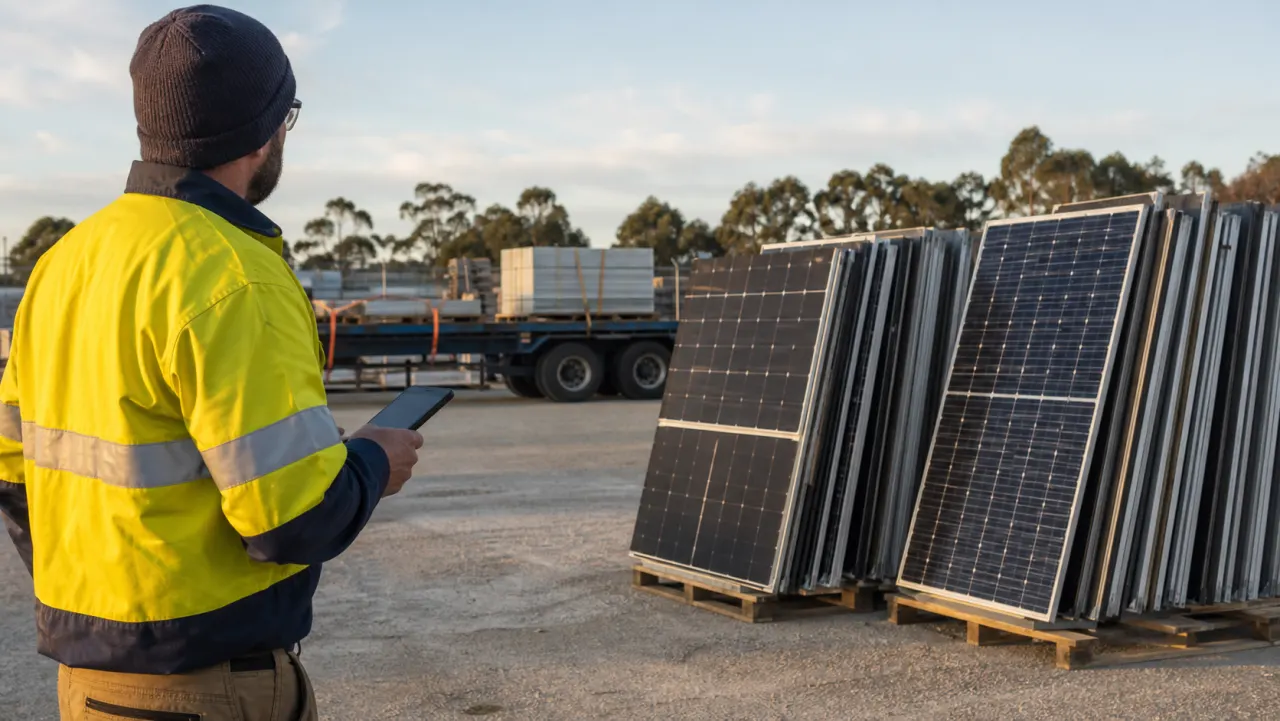
Australia’s proposed National Solar Panel Recycling Pilot is designed to test collection, transport and recycling at selected locations — not to replace every installer’s normal collection arrangements. The practical takeaway for Sydney installers is to keep removed panels safely handled, counted and ready for a documented handover.
What the pilot is testing
The Department of Climate Change, Energy, the Environment and Water says the pilot is proposed to collect and recycle up to 250,000 panels from around 100 sites, including homes, businesses and a small number of solar farms. It is intended to generate evidence on collection, transport and recycling — particularly the logistics that make up a significant part of recycling cost.
| Question | National pilot | Installer’s current job |
|---|---|---|
| Primary purpose | Test collection, transport and recycling models | Hand over removed equipment safely and practically |
| Availability | Selected locations and contracted providers | Depends on the chosen local collection pathway |
| Decommissioning cost | Not covered by the pilot | Must be scoped within the project |
| Useful preparation | Accurate collection and logistics data | Count, condition notes, access details and secure staging |
What it does not cover
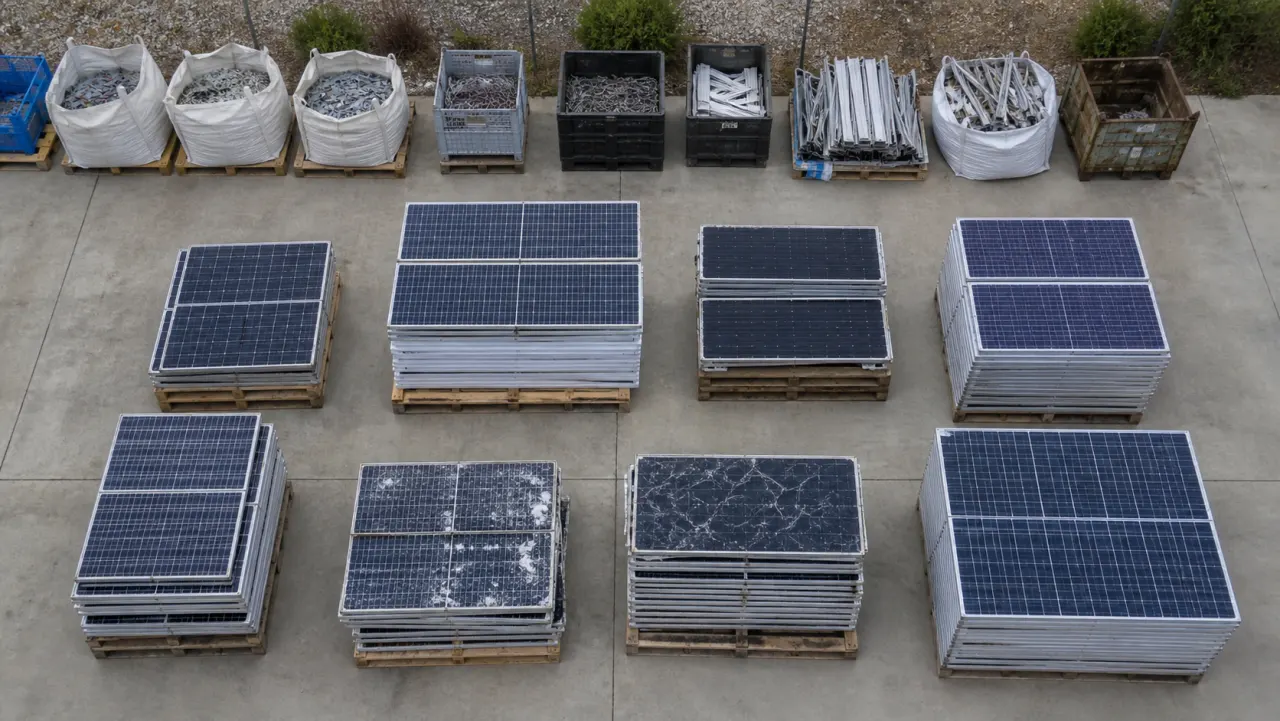
The pilot is an important policy step, but it is not a universal on-demand service. DCCEEW says it will not cover the cost of decommissioning or buying solar panels, and the administrator/provider model is still tied to selected locations. Do not promise a client that a pilot will automatically fund their removal or accept their particular batch.
What Sydney installers can prepare now
A practical panel handover for an installer
- Finish safe removalTreat electrical isolation and removal as a qualified trade task.
- Count the batchUse an exact panel count rather than an approximate stack estimate.
- Note conditionFlag sound, damaged or mixed panels without promising a downstream outcome.
- Plan accessConfirm where a vehicle can collect and whether loading help is needed.
- Book the appropriate pathwayUse ReSova’s estimator for 10–69 panels or request a tailored scope for 70+.
Why collection logistics matter
The policy emphasis on transport is not incidental: panels are bulky, fragile and distributed across homes, worksites and projects. The IEA PVPS Task 12 tracks recycling approaches globally, but the local collection and handover step still determines whether a technically possible recovery pathway is practical for a particular job.
What to do now
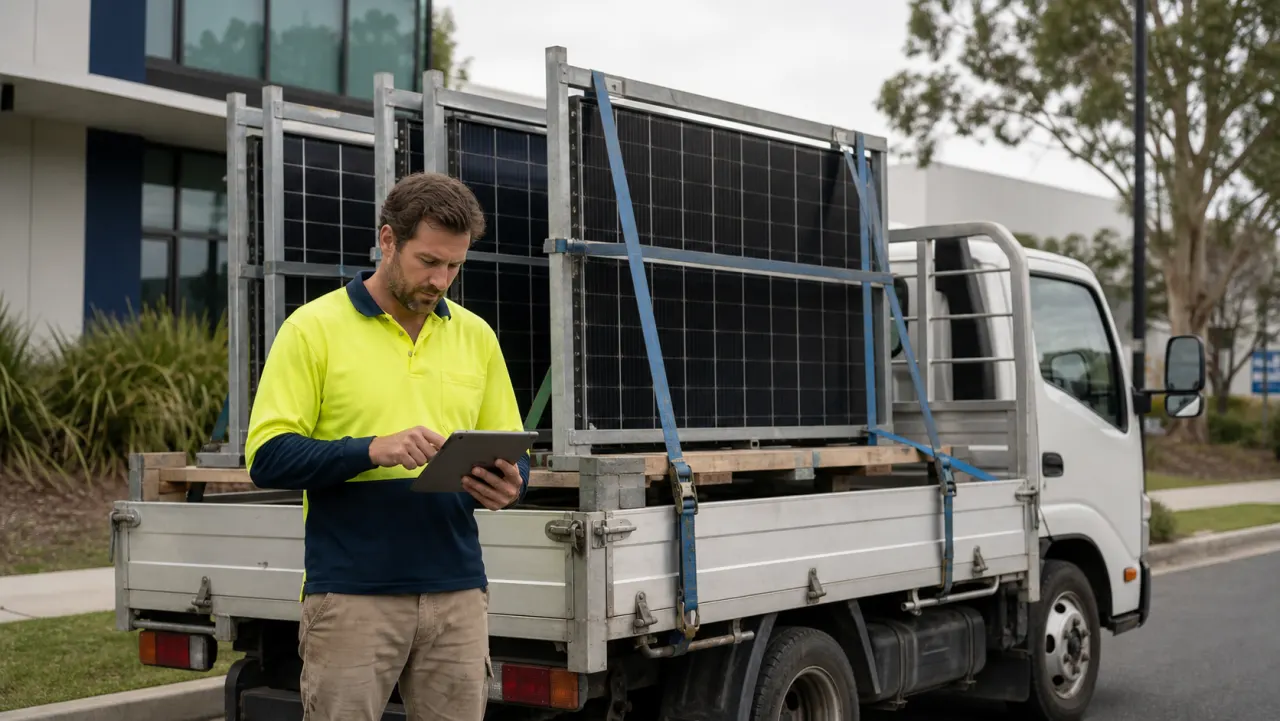
For Sydney work, use ReSova’s commercial collection service once panels are removed and ready to hand over. Regular installers can review the Trade Account pathway; larger or unusual collections can be scoped through Bulk Projects. The pilot may improve national evidence and infrastructure over time, but it does not remove the need for a clear site-level plan today. For the separate question of current cost responsibility and what a future scheme has not yet decided, read who pays for solar panel recycling in Australia.
Key takeaways
- The proposed pilot tests collection, transport and recycling at selected locations; it is not a universal service.
- It does not cover decommissioning or panel purchase costs.
- Count, condition notes, access and safe staging are immediately useful to any installer collection.
- ReSova can collect already-removed panels in Sydney and documents the collection on a job docket.
Frequently asked questions
Is the 2026 pilot available to every solar installer?
No. The government describes it as a proposed, selected-location pilot administered through contracted providers. Participation and collection locations are not the same as a nationwide on-demand scheme.
Does the pilot pay for solar system decommissioning?
No. DCCEEW states that the pilot will not cover the cost of decommissioning or purchasing solar panels; it is intended to test collection and recycling processes.
What should an installer do with removed panels now?
Keep safely removed equipment counted, note condition and access requirements, and arrange an appropriate collection pathway. In Sydney, ReSova can collect ready-to-handover panels and documents the collection on a job docket.
Commercial Services
ReSova considers eligible, already removed equipment in Sydney and selected NSW areas after the ground-level handover and site access can be confirmed. It does not decide removal, technical condition or a final downstream outcome.