
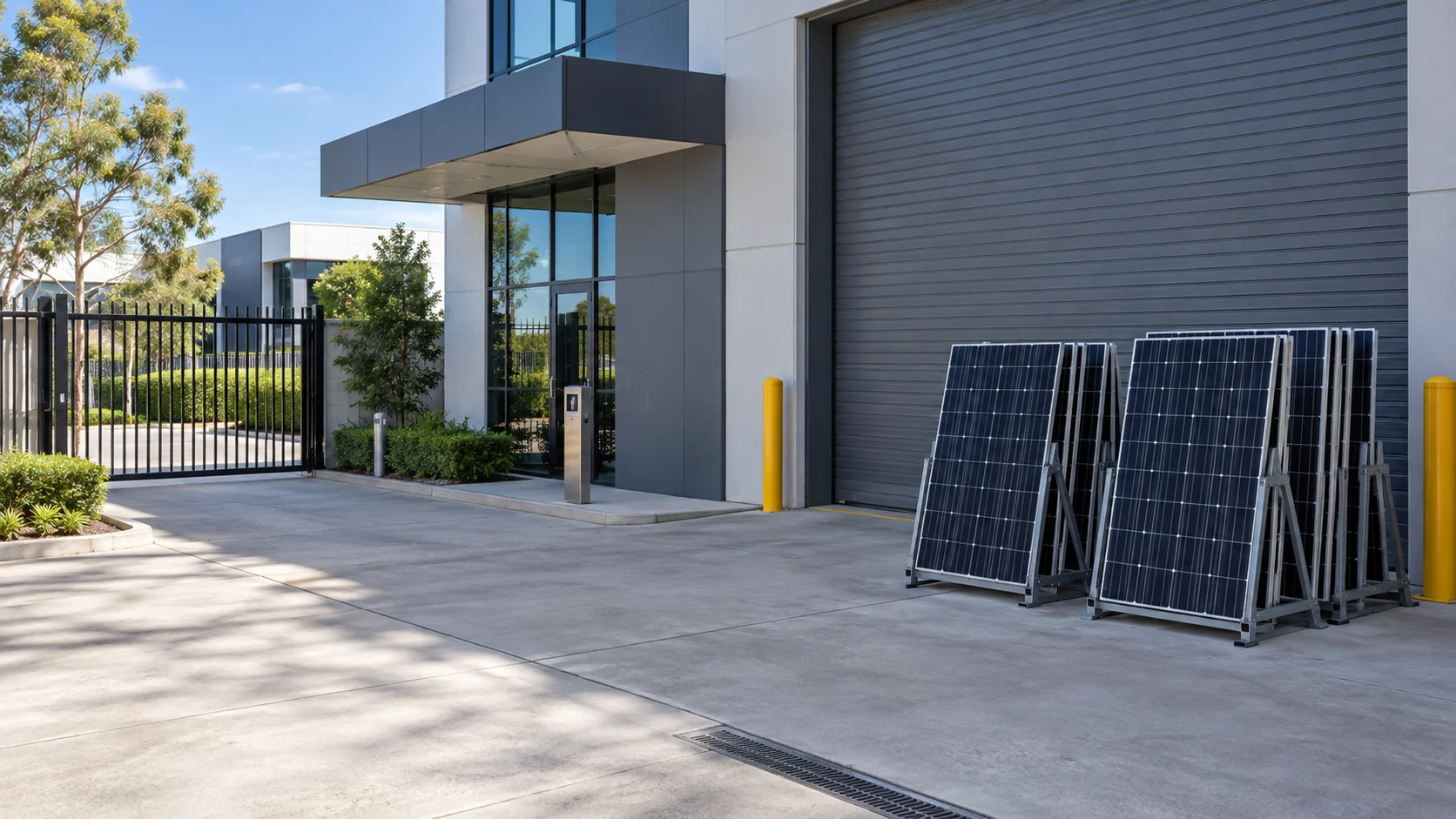
Quick answer: report the current site facts, not a collection arrangement
An operating-site solar collection access note is a short factual description of the place where already removed equipment is ready now. It can state the current entry, where a visitor is asked to report, the ground-level handover point, an ordinary operating restriction the site already knows about and the person who can correct those facts. It does not ask the site team to design traffic, loading or safety arrangements, and it does not create a collection booking. For ReSova to assess a possible request, the equipment must already have been safely removed by qualified people and be available at ground level. ReSova does not provide electrical disconnection, removal, roof work, site safety, traffic management, technical testing or legal advice. A request does not confirm acceptance, price, vehicle, route, timing, booking or downstream outcome.
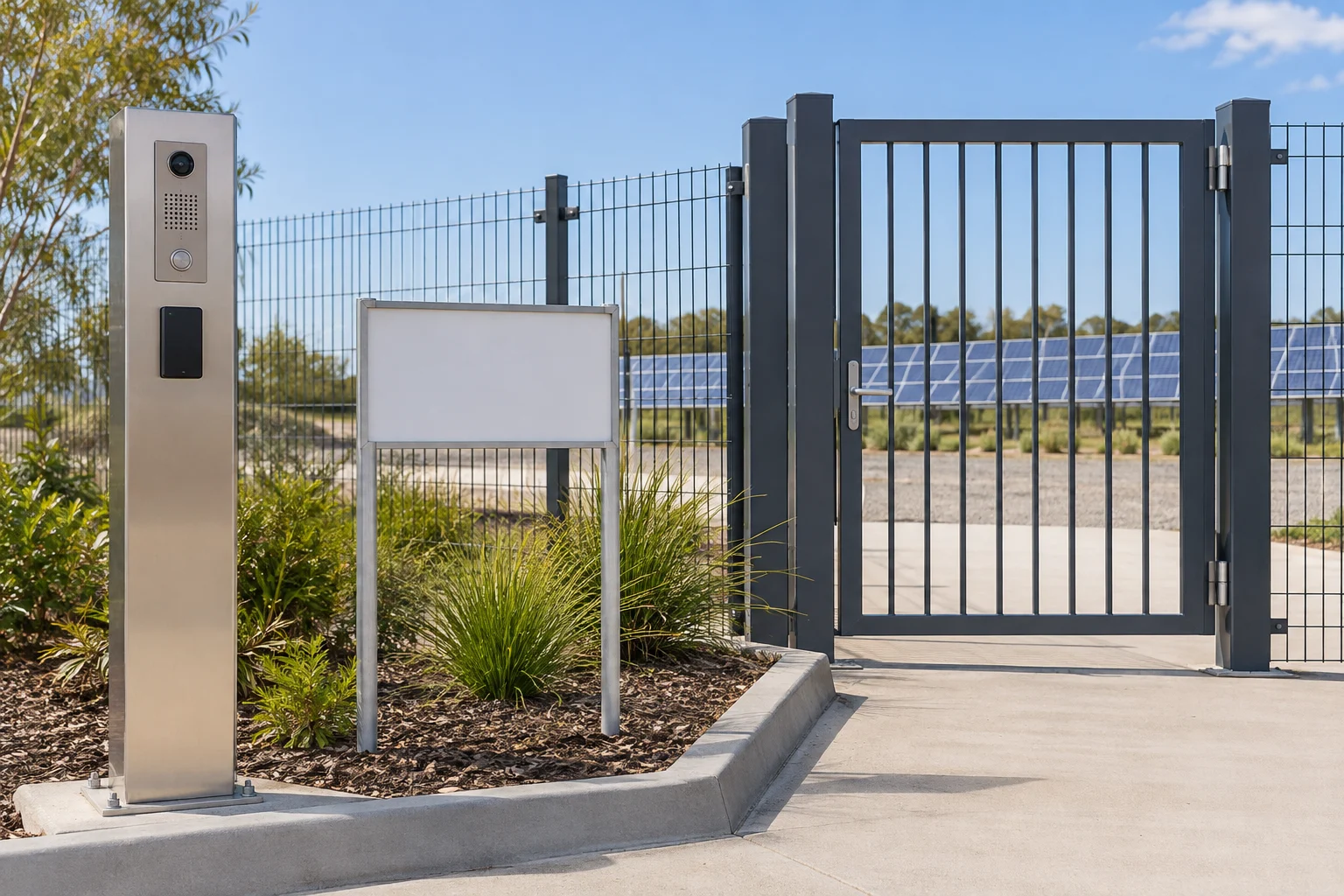
State the entry and reporting facts the site can confirm today
A useful note is deliberately modest. It might identify the current gate or service entrance, the reception or nominated reporting point, the present ground-level area holding the batch and one contact who can clarify a change. It should not turn those facts into instructions for a vehicle, a route, a loading method or an arrival time. The vehicle-access checklist owns factual vehicle-entry context. The commercial staging-brief guide owns the description of the physical area. This article is narrower: it keeps the operating site’s entry and reporting facts usable without presenting them as an agreed collection arrangement.
| Current fact | What the site can describe | What it must not become |
|---|---|---|
| Entry | The current gate, service entrance or reception point the responsible site team identifies. | An assigned vehicle, approved route or arrival commitment. |
| Reporting point | Where the site normally asks visitors to check in or who can clarify that process. | A guaranteed collection appointment or permission to bypass site arrangements. |
| Operating restriction | A current known trading, tenant, maintenance or restricted-period fact. | A promise that ReSova will work at a particular time or manage the site’s operations. |
| Handover point | The actual ground-level area holding the already removed batch. | A safety, loading or traffic plan, or proof that every item is eligible. |
Keep operating restrictions factual and separate from site responsibility
Operating sites can have routine opening periods, tenant activity, deliveries, maintenance or access changes. The team closest to the site can state those current facts and nominate a reachable person to correct them. That is useful context for an assessment, but it does not transfer responsibility for the site’s own safety, traffic, internal approvals or operating decisions. It also does not confirm that ReSova will provide a particular vehicle, route, time or booking. The during-business-hours guide is the companion page for general operating-site coordination; use this brief when the question is what the site can truthfully state now.
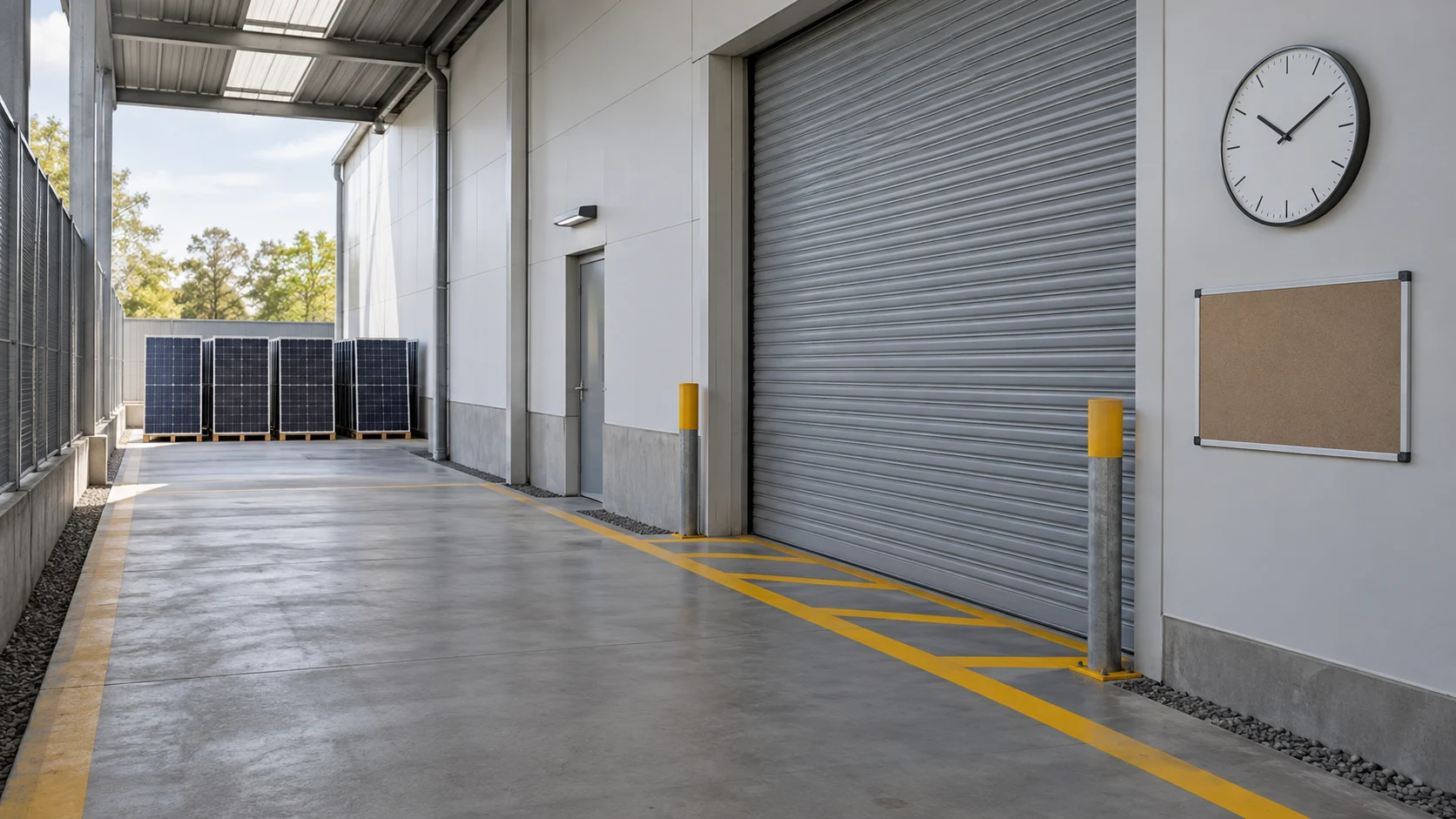
Use a factual access-note flow before requesting review
Operating-site access fact flow
- Confirm qualified removalOnly equipment already safely removed and present at ground level belongs in the possible handover record.
- Name the current batch pointState where the actual panels and separately listed equipment are held today.
- Record entry and reporting factsCapture the present entrance, reporting point and contact without offering a vehicle, route or time.
- Add known operating contextState current restrictions the responsible site team already knows, without prescribing a safety or traffic method.
- Replace changed factsIf the batch, point, restriction or contact changes, update the brief before continuing the availability discussion.
The Australian Government’s consumer guidance says components need removal or replacement before recycling and points users to licensed electricians for that work. That supports the boundary here: this access note starts after qualified removal. It is not a decommissioning method. Global logistics and decommissioning guides can be useful comparators because they separate contacts, site facts and project stages, but their transport, removal, testing or site-restoration services are not ReSova services or Australian instructions.
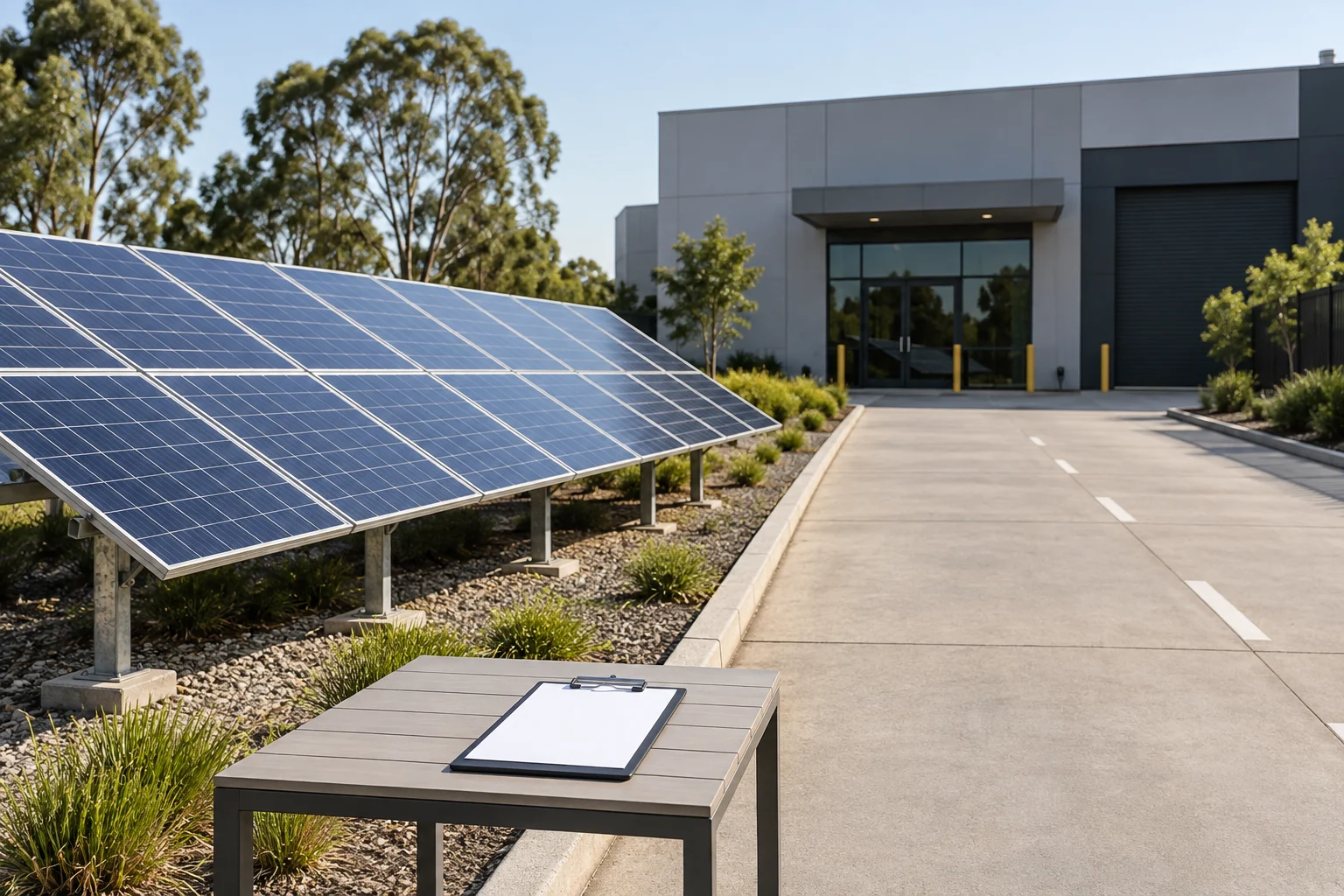
Request a tailored review when the operating site needs a scope discussion
For a mixed batch, 70+ panels, several sites, phased availability or access facts that need discussion, start with Commercial Services. Provide the actual equipment categories and count, broad visible facts, postcode, current ground-level point, entry/reporting facts, known operating context and a contact who can update them. This is a request for review and availability discussion, not direct booking. A standard estimate route is only appropriate where the current eligible panel-only criteria genuinely fit the actual ready batch.
Sources and dates checked
- Australian Government — Replace and recycle your solar system, checked 10 October 2026: components need professional removal/replacement before recycling; used for the removal boundary only.
- DCCEEW — Solar panels, checked 10 October 2026: national pilot context is location-limited and does not cover decommissioning cost; it does not establish a Sydney collection route.
- Solar Project Logistics — Staging yard readiness, checked 10 October 2026: global comparator for separating access hours, gate contacts and release facts; not Australian or ReSova procedure.
Key takeaways
- An operating-site note should describe the present entry, reporting point, restriction, ground-level handover point and correction contact.
- Those facts support assessment only; they do not promise a vehicle, route, arrival time or booking.
- The responsible site team retains its own safety, traffic, internal approval and operating arrangements.
- Keep installed or later-stage equipment outside the factual ready-batch note.
- Use Commercial Services for staged, mixed, 70+ panel, multi-site or complex-access discussions.
Frequently asked questions
Do operating-site access facts reserve a collection time?
No. They support an assessment and availability discussion only. They do not reserve a vehicle, route, arrival time or booking.
Should an access note contain a traffic, loading or site-safety plan?
No. The responsible site team retains its own safety, traffic and operating arrangements. Record only current facts the site can accurately provide.
Can equipment still installed or awaiting removal be included?
No. The note should describe only equipment qualified people have already safely removed and made available at a ground-level handover point.
Discuss a Commercial Collection
ReSova considers eligible, already removed equipment in Sydney and selected NSW areas after the ground-level handover and site access can be confirmed. It does not decide removal, technical condition or a final downstream outcome.