
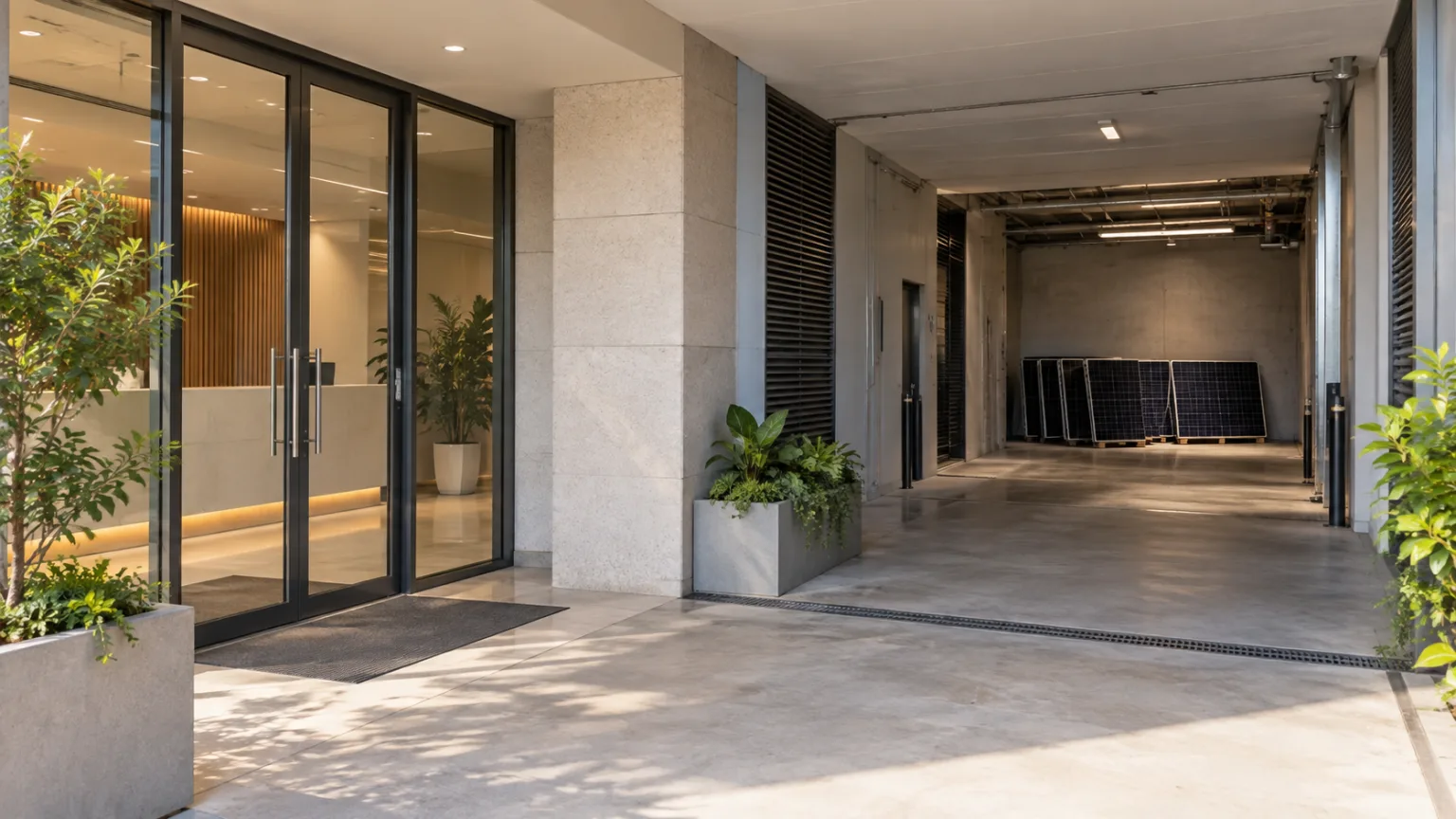
Quick answer: describe the operating site without promising an outcome
Solar panel collection during business hours in Sydney is easier to assess when an operating site separates its own business process from the actual post-removal handover. Confirm the equipment physically ready at ground level, the protected handover point, gate or reception process, known access and loading constraints, and one reachable site contact. ReSova can assess eligible requests in Sydney and selected NSW areas from those facts.
The goal is not to promise that a commercial site will be unaffected, that a vehicle will arrive at a particular time or that a specific loading arrangement will apply. The site retains its own responsibilities for operations, customer areas, inductions, safety controls, traffic arrangements and contractor management. A collection enquiry supports scope assessment; it is not confirmation of acceptance, booking, vehicle, timing or business-continuity outcome.
Separate site operations from collection scope
Facilities and property teams often manage several legitimate pressures at once: a building is open, deliveries continue, tenants or visitors move through shared areas, and contractors need access. Those operational realities matter to a collection brief, but they do not turn ReSova into the person responsible for solving them. The useful collection question is narrower: what already removed equipment is ready, where is the ground-level handover point, and which confirmed site facts could affect access to that point?
| Site question | Who owns it | What to give ReSova |
|---|---|---|
| How will normal business operations be managed? | The business, facility or property team. | Only the confirmed access window or constraint relevant to the stated handover, without asking for a guaranteed outcome. |
| What site controls, inductions or permissions apply? | The party managing or controlling the workplace. | The existing process for the relevant service entry or contact point. |
| How are people and vehicles managed at the property? | The site under its own arrangements. | Known access, parking, shared-area or loading facts; not a request for ReSova to write a traffic plan. |
| Can the equipment be collected? | ReSova assesses the eligible post-removal scope. | Actual equipment, ground-level handover, postcode, access context and nominated contact. |
This division matches the site’s real decision-making structure. A facilities manager may control a service entrance but not electrical removal. An installer may know the equipment but not reception procedures. A project coordinator may collect the facts without deciding the site’s safety controls. The brief is strongest when each person contributes only the information they actually know.
Confirm the real equipment and handover point
Before discussing a business-hours collection, make sure the equipment in the request is the equipment that is actually ready. A project forecast, a system capacity label or an earlier removal estimate may not match the physical batch at ground level. Count panels after removal where practical, list other components separately, note broad visible condition and name one clear handover point. This avoids an operating site reserving attention for a batch that cannot yet be accurately described.
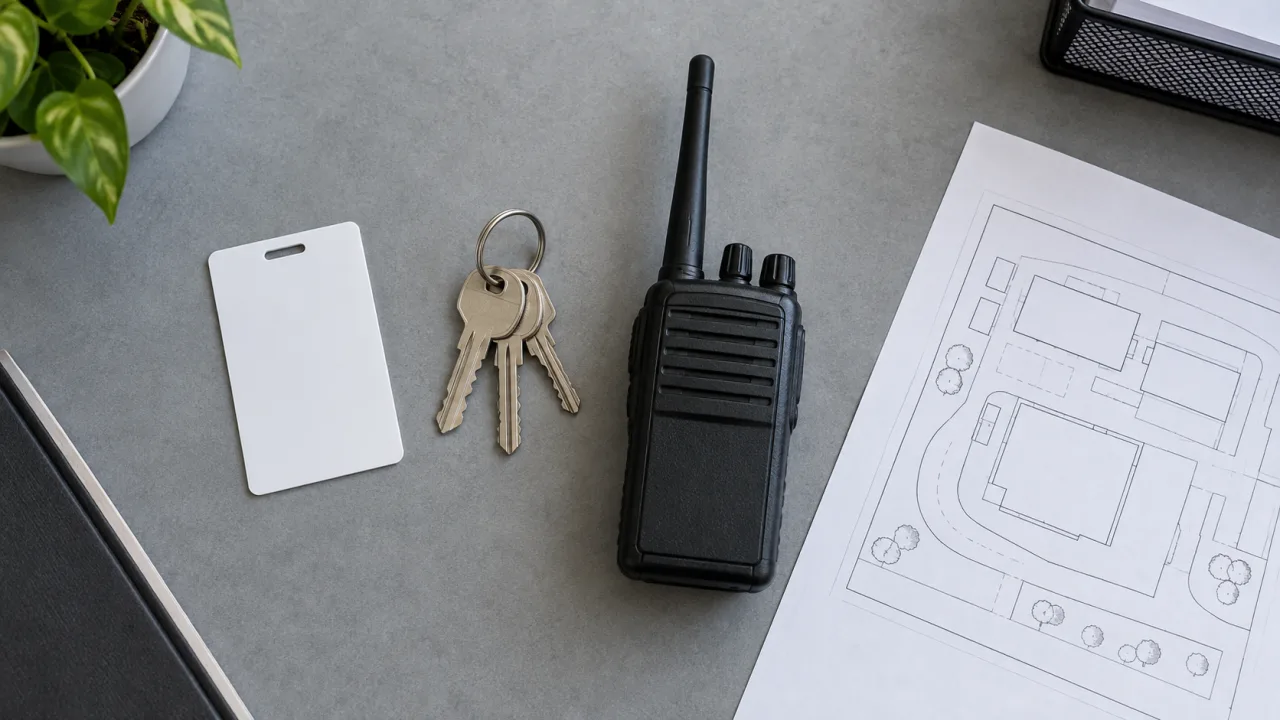
- State the actual panel count and list inverters, batteries, rails, cables or other equipment separately.
- Use broad visible-condition descriptions rather than a performance, safety, reuse or waste-classification conclusion.
- Name the particular ground-level point available for the current batch; an address alone is not a handover description.
- Explain whether the batch is at a service bay, loading area, back-of-house location or another point the site contact can identify.
- Tell ReSova when equipment, location or access facts change instead of relying on an earlier scope request.
The ground-level handover guide explains the batch, place, route and contact information that makes a request clearer. For a 70+ panel batch, mixed equipment, multiple sites or unusual access, the tailored collection scope guide is the better planning path. Neither guide substitutes for the site’s own operating or safety arrangements.
Describe access and operating-site facts
A concise description of the current site process is more valuable than a long list of assumptions. State the relevant gate, reception, security, induction or booking-in process that already applies. Note known parking, shared driveway, service-corridor, carry-distance or loading constraints. Do not invent a vehicle type or loading method to make the request sound complete; disclose the site facts and let the collection scope be reviewed from them.
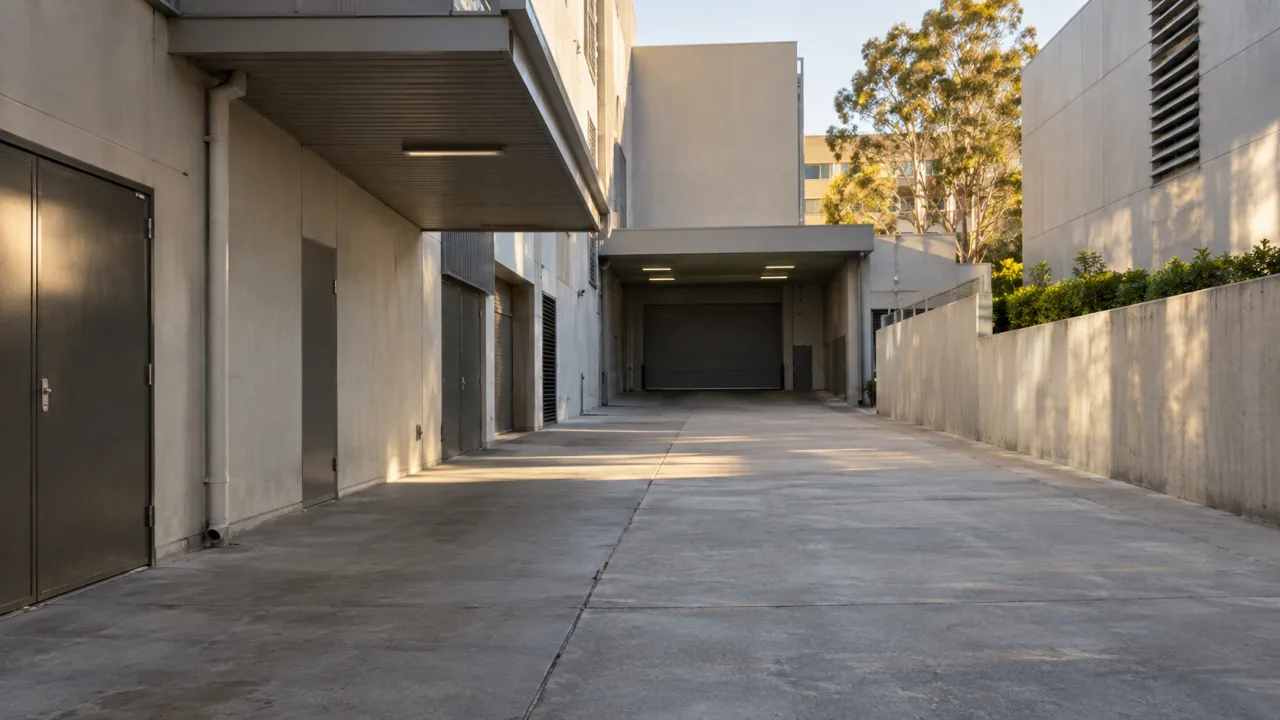
SafeWork NSW’s Safety Around Your Vehicle guide recommends confirming the point of onsite delivery, vehicle-access constraints, site rules, contact details and loading process. Its road-freight guidance similarly identifies loading areas, parking, inductions, reporting procedures and the person in charge as information that can be relevant before pickup. These sources explain why an accurate brief matters; ReSova does not take over the site’s traffic plan, induction, emergency process or workplace controls.
| Fact | Useful detail | What it does not guarantee |
|---|---|---|
| Entry | The relevant gate, reception, security or booking-in process. | A fixed arrival time or entry approval outside the site’s own process. |
| Route | Known shared areas, parking, carry distance, vehicle restrictions or service-corridor context. | A particular vehicle or loading method. |
| Operating constraints | A real customer, tenant, delivery or site activity constraint relevant to the stated handover. | No business disruption or a priority collection commitment. |
| Site contact | A person able to confirm the submitted facts and site process. | A replacement for safety, electrical or traffic-management roles. |
Prepare clear day-of communication
A nominated contact is most useful when their role is specific. They should be able to confirm the physical batch, the stated access process and any material change to the handover point. They do not need to act as an electrician, traffic controller, safety manager or final decision-maker for downstream processing. This keeps the collection discussion factual and reduces the risk of a site giving a customer or tenant a promise that has not been confirmed.

A practical communication sequence
- Before requesting collectionReconcile the actual removed batch, handover point and known access facts with the person who can confirm them.
- When submitting the briefState relevant operating-site constraints factually without asking ReSova to manage the site’s own controls.
- If facts changeReport a changed count, location, access issue or contact instead of assuming the earlier request still applies.
- After a confirmed handoverKeep the relevant collection information with the project file without describing it as a legal, recycling or final-processing certificate.
The site-contact checklist and collection records guide explain the role and the practical record in more detail. For a warehouse-held batch, see the warehouse cleanout guide. This article remains focused on a different question: how an actively operating commercial site can supply accurate access facts without promising an operational outcome.
Sources and dates checked
- SafeWork NSW — Safety Around Your Vehicle glove box guide, checked 16 September 2026: access, site-contact, site-rule and loading-process planning context.
- SafeWork NSW — Work health and safety in the road freight transport industry, checked 16 September 2026: loading areas, parking, inductions, reporting and person-in-charge context.
- SafeWork NSW — Transport safety information, checked 16 September 2026: general site and vehicle-interaction context; not a ReSova operating method.
- Australian Government — Replace and recycle your solar system, checked 16 September 2026: licensed-electrician boundary before post-removal collection planning.
Key takeaways
- An operating commercial site should provide facts about the real handover, not promise a business-hours outcome.
- Keep site operations, safety controls, traffic arrangements and electrical work with the parties responsible for them.
- A clear brief identifies actual equipment, ground-level point, access context and one reachable contact.
- Use Commercial Services when a 70+ panel, mixed, multi-site or complex-access request needs tailored review.
Frequently asked questions
Can ReSova guarantee that solar panel collection will not disrupt business hours?
No. ReSova assesses the stated collection scope. The customer remains responsible for its own operating arrangements, access, site controls and communications; no article or enquiry guarantees an arrival time or business-impact outcome.
What access information should an operating commercial site provide?
Provide the actual ground-level handover point, gate or reception process, known parking or access restrictions, induction requirements, shared-area context and a reachable site contact. These are scope inputs, not a promise of a particular vehicle or loading method.
Who manages traffic and safety during a business-hours collection?
The site must manage its own safety, traffic, induction and operating controls. ReSova does not write or take over a customer's traffic plan, site-safety process or contractor management.
Which collection route applies to a commercial site?
Use the estimator for an eligible standard 10–69-panel request. Use Commercial Services for 70+ panels, mixed equipment, multiple locations, unusual access or a project needing a tailored scope.
Commercial Services
ReSova considers eligible, already removed equipment in Sydney and selected NSW areas after the ground-level handover and site access can be confirmed. It does not decide removal, technical condition or a final downstream outcome.