
Quick answer
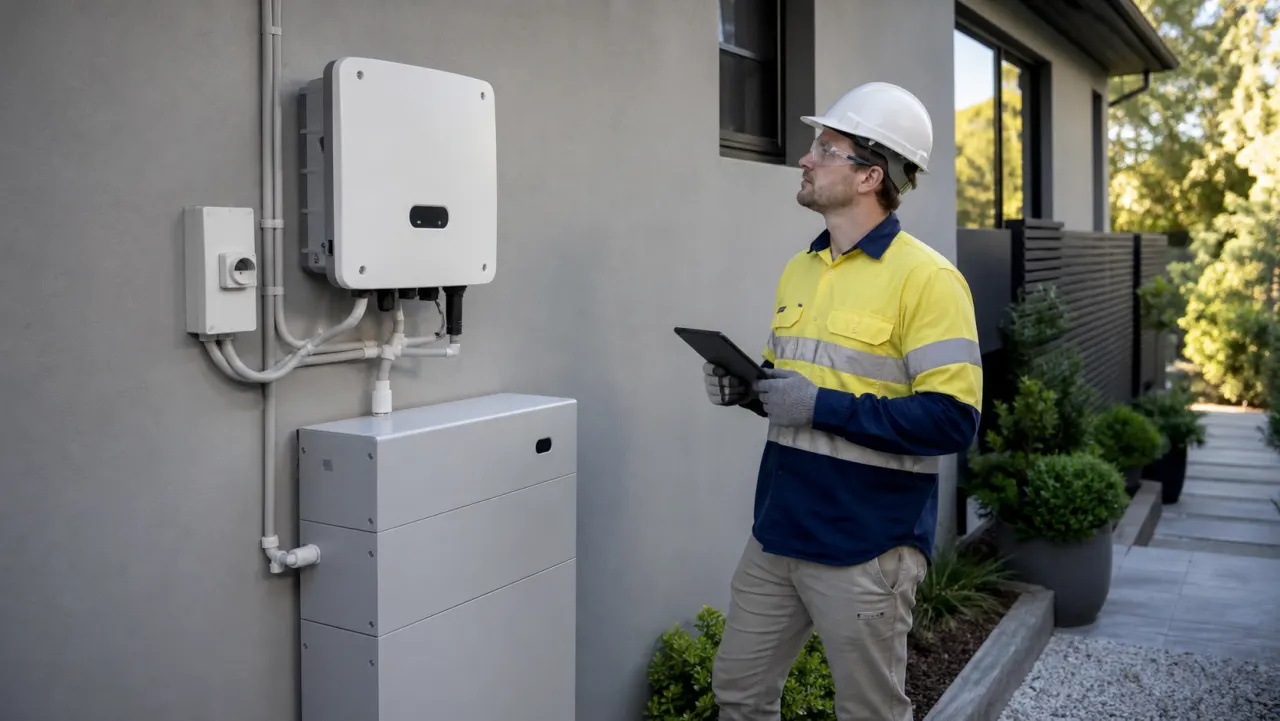
A solar inverter and a battery do not have the same lifetime pattern. The Australian Government gives broad averages of 10–15 years for a string inverter, 20–25 years for a microinverter, 5–10 years for a lead-acid battery and 10–15 years for a lithium-ion battery. These are reference ranges, not a remote diagnosis, warranty outcome or automatic replacement date. Model, operating environment, maintenance, system design and use all affect the actual result.
General reference ranges, not replacement promises
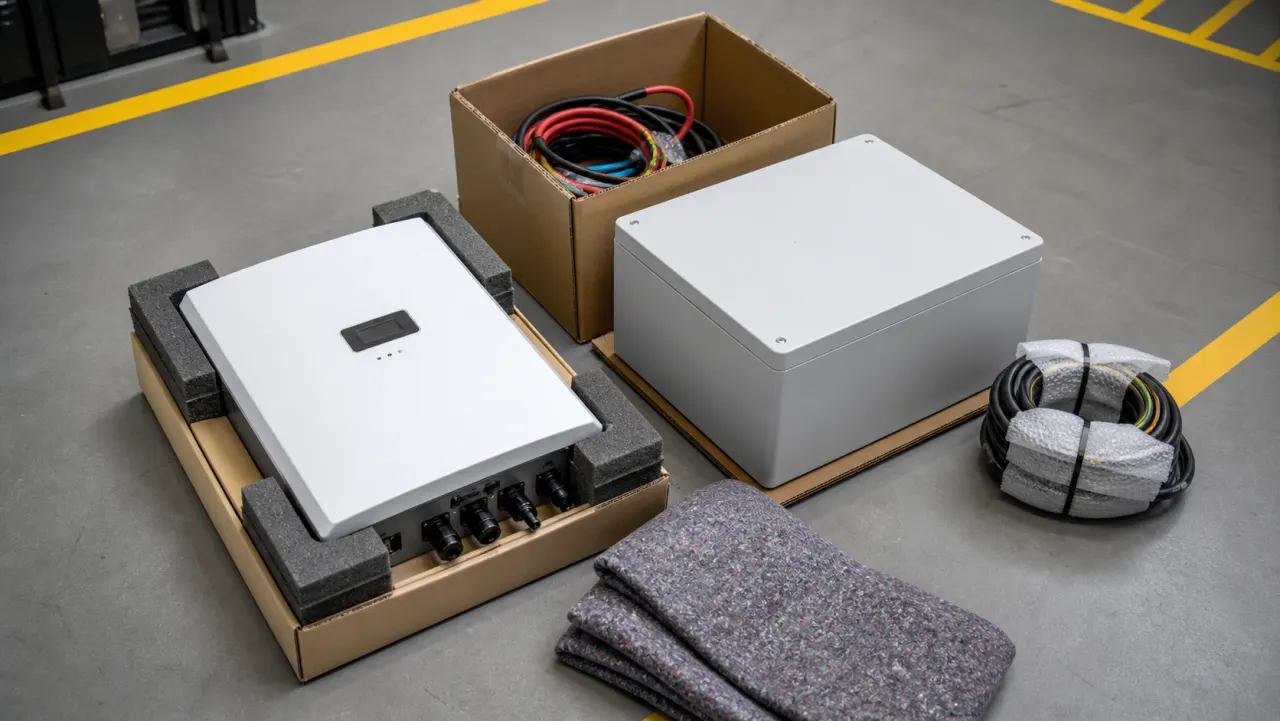
The Australian Government’s replacement and recycling guide publishes these averages and recommends professional assistance for replacement. Its guidance also notes that a lower performance reading does not necessarily mean a component needs replacement. The right response to an unexpected change is to engage the retailer, installer or another appropriately qualified professional — not to self-diagnose, isolate or remove equipment from this page.
| Component | General Australian reference | What this does not decide |
|---|---|---|
| String inverter | About 10–15 years | Whether a specific unit has failed, can be repaired or should be replaced. |
| Microinverter | About 20–25 years | Whether rooftop access, system design or warranty changes the project decision. |
| Lead-acid battery | About 5–10 years | The present safety condition, storage needs or end-of-life pathway for a particular battery. |
| Lithium-ion battery | About 10–15 years | Actual state of health, warranty position, removal method or transport requirements. |
Replacement is a separate professional decision
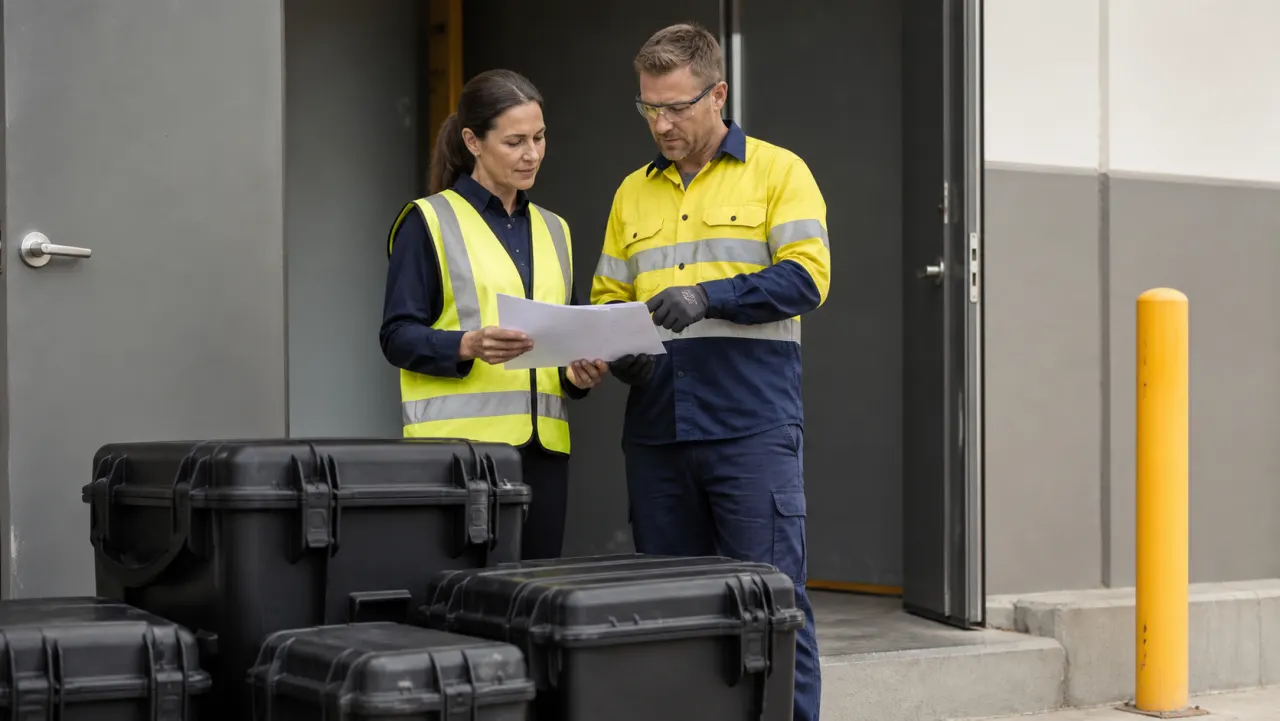
A general lifespan range can start a maintenance conversation, but it cannot identify a fault from a distance. The Government advises owners to monitor performance and contact their solar retailer or installer if they suspect a problem. The July 2026 IEA PVPS battery reliability report likewise explains that technology, duty, temperature, control strategy, firmware and system topology all influence real-world lifetime and reliability. This article does not provide diagnostic, electrical or safety instructions.
What affects service life and the project conversation
| Question | Who should answer it | What a collection handover needs |
|---|---|---|
| Is the equipment still performing as intended? | Retailer, installer or appropriately qualified technical professional. | Nothing is collected until the project confirms safe professional removal. |
| Is repair, replacement or warranty action appropriate? | The asset owner with the responsible supplier or qualified adviser. | Collection does not determine repairability, warranty rights or a replacement specification. |
| How should a removed inverter or battery be handled? | The qualified remover and the applicable receiving or disposal pathway. | Confirm the actual equipment type, condition, packaging, access and accepted collection scope. |
| What does ReSova do? | ReSova after eligible items are ready at ground level. | Confirm scope, collect eligible equipment, count the handover and record the job docket; no final outcome is guaranteed. |
After professional removal: a cautious handover flow
From replacement decision to ready-to-handover equipment
- Seek qualified assessmentUse the system’s responsible retailer, installer or other appropriately qualified professional to assess any performance concern.
- Decide the project actionConsider repair, warranty, replacement or upgrade through the responsible technical and commercial parties.
- Complete safe removalAppropriately qualified people isolate and remove equipment; do not uninstall, store or transport a battery yourself.
- Confirm the item scopeDescribe the actual removed equipment, broad condition, packaging, staging and access so the appropriate pathway can be checked.
- Arrange the handoverWhere eligible items fit ReSova’s scope, collection is arranged after removal and recorded on a job docket; outcomes remain conditional.
Confirm the collection scope after removal
ReSova is not an electrical contractor, battery diagnostic service or recycling plant. It provides on-site collection in Sydney and selected NSW areas for eligible equipment that is already safely removed and ready to hand over. Batteries have distinct safety and regulatory considerations: the Australian Government says not to uninstall, store or transport an old battery yourself. Check What We Collect for current scope, and use the e-waste guide for broader background. Do not assume an inverter, battery, panel or mixed system will follow the same pathway or have a guaranteed final result.
Key takeaways
- String inverters are generally referenced at 10–15 years, lithium-ion batteries at 10–15 years and lead-acid batteries at 5–10 years; real life varies.
- A lifespan range or performance change is not a remote diagnosis or automatic replacement instruction.
- Qualified people must assess, isolate and remove equipment; never uninstall, store or transport an old battery yourself.
- Only after safe removal should a project confirm the actual item scope and any eligible collection handover with ReSova.
Frequently asked questions
How long does a solar inverter usually last in Australia?
Australian Government guidance lists a general 10–15 year average for string inverters and 20–25 years for microinverters. Actual timing varies by model, installation environment, operation and maintenance, so it is not a replacement guarantee.
How long do solar batteries last?
The Australian Government lists general averages of 5–10 years for lead-acid batteries and 10–15 years for lithium-ion batteries. Usage, cycles, temperature, system design and maintenance influence the real outcome.
Can I remove or transport an old solar battery myself?
No. Do not attempt to uninstall, store or transport a battery yourself. Engage appropriately qualified professionals and confirm the correct pathway for the specific battery and project.
What We Collect
ReSova considers eligible, already removed equipment in Sydney and selected NSW areas after the ground-level handover and site access can be confirmed. It does not decide removal, technical condition or a final downstream outcome.