

Quick answer
For an NSW solar project, prepare evidence before collection rather than looking for one universal “solar panel waste certificate”. Keep the scope, confirmation that qualified people completed safe removal, material count and broad condition, staging and access details, collection handover record, and any project-specific classification, transport or receiving-pathway documents. NSW requirements can depend on the material, project approvals and destination, and they can change; this is a practical checklist, not legal advice.
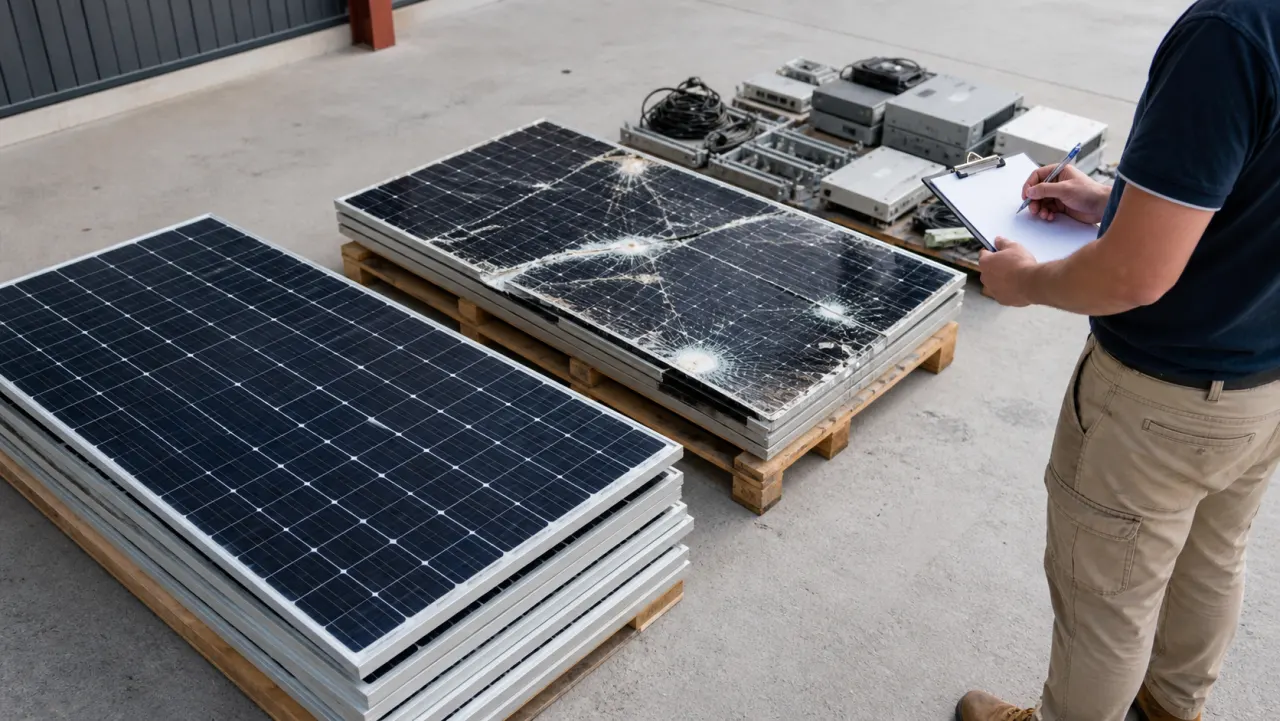
Why there is no one NSW solar-panel rule
Rules are applied through the facts of a project, not a generic blog label. The NSW EPA’s waste-characterising guidance explains that waste characteristics, classification, code and description matter when determining tracking and lawful acceptance. Separately, project approvals or construction conditions can require their own waste records. For example, some NSW consent conditions specify collection date, carrier details, waste description, destination and corresponding receipt. Check the conditions that actually apply to your site rather than importing an unrelated project’s paperwork list.
Project evidence checklist before collection
| Evidence area | Prepare or confirm | Boundary to remember |
|---|---|---|
| Project scope | Which panels and related components are leaving, the site location and who owns the decision. | A collection scope does not replace your contract or approval obligations. |
| Safe removal | Confirmation that appropriately qualified people completed electrical disconnection and removal. | ReSova begins after equipment is safely removed; it does not perform electrical removal. |
| Material description | Count, broad visible condition and any mixed equipment; retain asset or serial information only where your project needs it. | Visual condition is useful context, not a legal classification or reuse approval. |
| Access and transport context | Staging area, vehicle access, loading route, site contact and any induction constraints. | Confirm any transporter or tracking requirement through the applicable pathway, not a generic assumption. |
| Handover and follow-up | Collection date and ReSova job docket, plus any documents required by the receiving facility, approval or contract. | The docket proves the collection handover only; it is not a legal or final-processing certificate. |
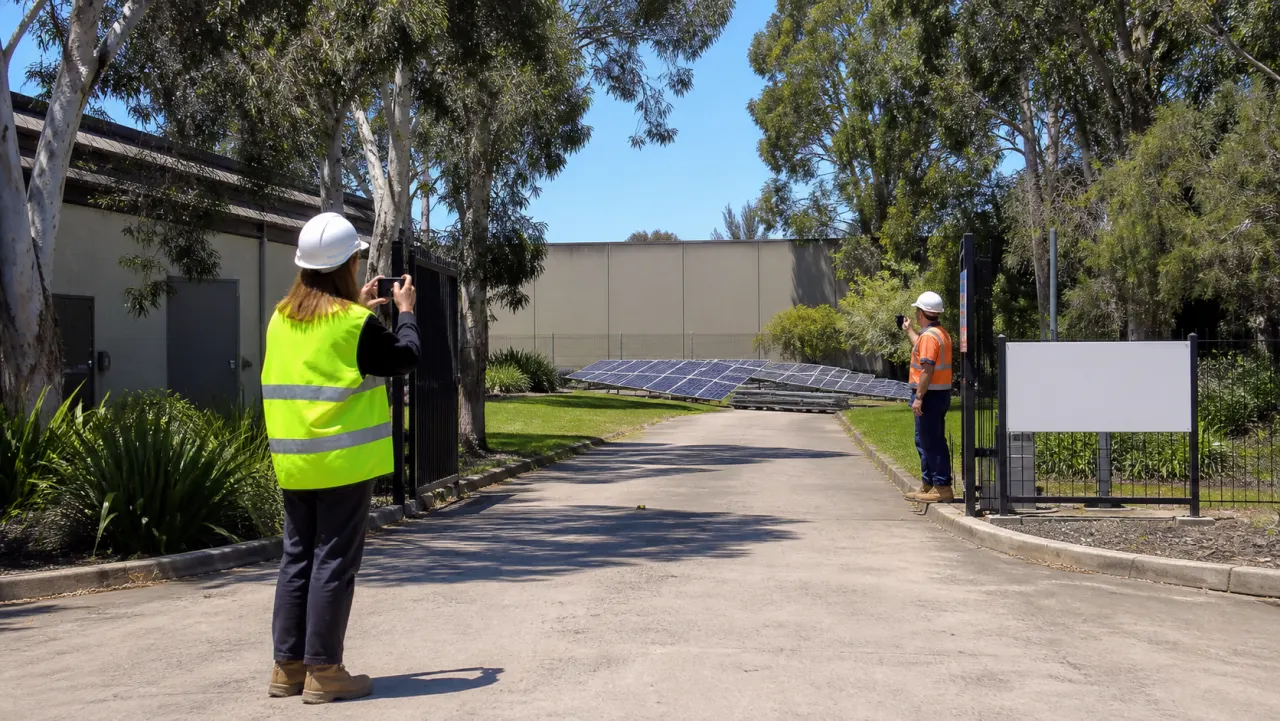
A condition-aware evidence flow
From removed equipment to an evidence-ready handover
- Read the project conditionsCheck the contract, approvals and any site waste plan for records or reporting that apply to this particular project.
- Confirm safe removalRecord the responsible qualified contractor and only arrange collection after equipment is electrically safe and accessible.
- Describe the batchCount panels and note broad condition, mixed components, staging location and relevant access limitations.
- Confirm the pathwayAsk the relevant receiving facility, transporter or adviser about classification, acceptance and tracking requirements where they may apply.
- Collect and retainKeep the ReSova collection job docket with the project file, alongside any separate records required by the confirmed pathway.
What to confirm as rules and policy change
National and state policy is still evolving. The Australian Government’s National Solar Panel Recycling Pilot, last updated 24 April 2026, is intended to gather evidence about collection, transport and recycling; it is not a universal collection service or a replacement for project obligations. NSW’s ESS rule update also shows why scope matters: its disposal-evidence guidance applies to the scheme’s accredited participants, not every solar project. Use current official sources and the requirements that attach to your actual project.
For Sydney and selected NSW projects
ReSova supports the collection handover once eligible panels are safely removed and ready at site. It can count the collected equipment and issue a job docket, but it cannot provide legal advice, certify classification, perform electrical de-installation or promise a downstream reuse, recycling or recovery result. Check What We Collect for the practical collection scope, then use the commercial service pathway for project context. Larger jobs, 70+ panels or unusual access should be scoped directly rather than assumed to fit a standard collection pathway.
Key takeaways
- There is no universal solar-panel waste certificate for every NSW project; requirements depend on facts, conditions and pathway.
- Prepare scope, safe-removal confirmation, material description, access details and collection records before pickup.
- Confirm classification, tracking and receiving requirements with the parties and official guidance that apply to the actual project.
- ReSova's docket documents its collection handover, not legal compliance or a final downstream result.
Frequently asked questions
Are solar panels automatically trackable waste in NSW?
Do not assume so. NSW tracking and classification obligations depend on the waste and circumstances. Confirm the applicable classification, transport and receiving-pathway requirements with the relevant EPA guidance, project advisers and receiving facility.
Does a ReSova job docket prove every downstream processing outcome?
No. It documents ReSova's collection handover. It is not a legal opinion, regulatory certificate or guarantee of a particular reuse, recycling or processing result.
What should a NSW project team confirm before collection?
Confirm the project scope, that qualified people completed electrical removal, the material count and condition, safe staging and access, and any contract, consent, classification, transporter or receiving-facility requirements that apply to that project.
What We Collect
ReSova considers eligible, already removed equipment in Sydney and selected NSW areas after the ground-level handover and site access can be confirmed. It does not decide removal, technical condition or a final downstream outcome.