
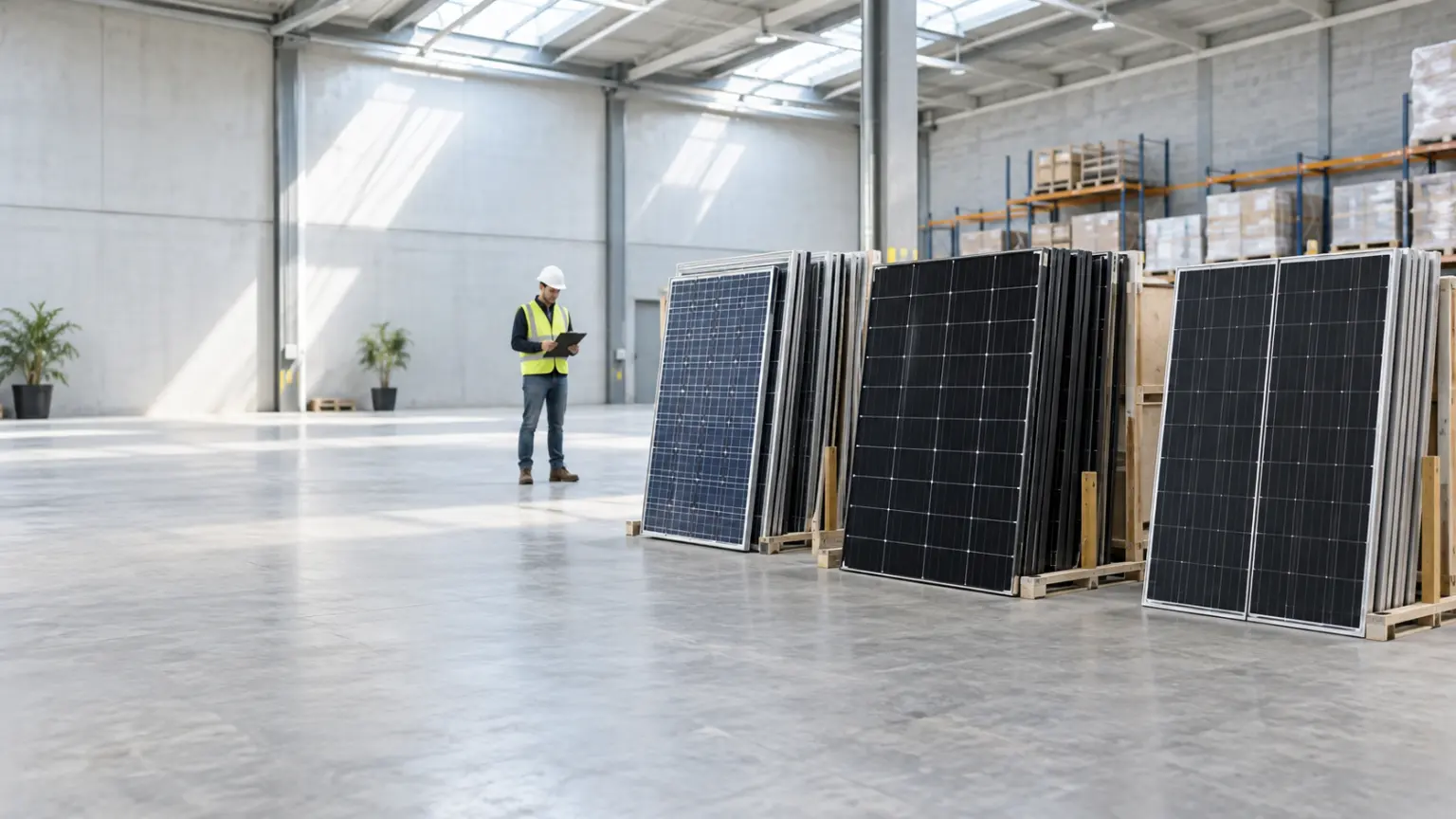
Quick answer: describe groups, not assumptions
A mixed batch is easier to review when it is described as the groups actually present at ground level. Record the count for each recognisable group, any model information already visible, approximate wattage where known, obvious size differences and broad visible condition. Do not infer technical condition, collection eligibility, reuse suitability, value or final pathway from a label or appearance.
List the identifiable panel groups
- Count each visibly different group rather than relying on the original system capacity.
- Record brand or model information only where it is already visible or readily available in your existing project records.
- Note an approximate wattage or obvious dimensional difference only when you know it; say when it is unknown.
- Use broad visible condition language, such as intact-looking, visibly cracked or unknown; it is not technical testing.
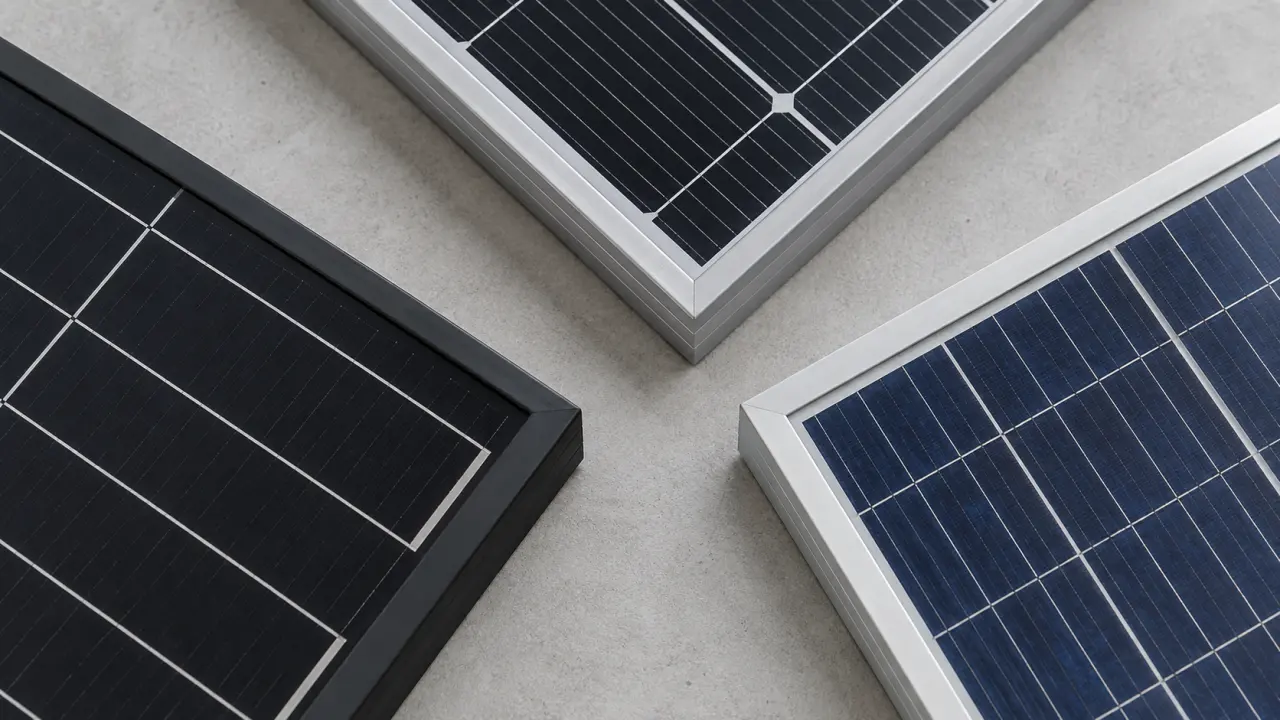
Record unknowns honestly
Do not unpack, move, turn over, test or otherwise handle equipment just to obtain a model or serial number for a collection request. If a group cannot be identified, include its actual count and state that its model detail is unknown. A scope review can use clear facts without turning the collection process into an electrical inspection or a reuse assessment.
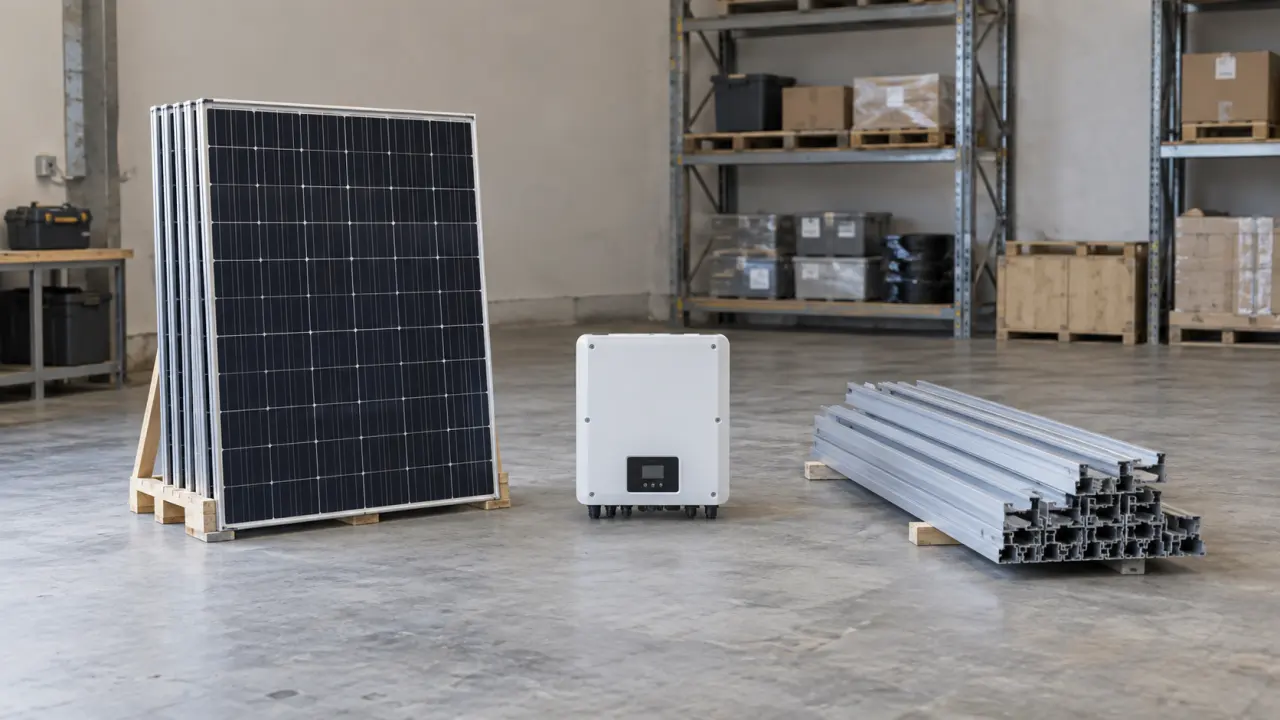
Keep other equipment in separate groups
Panels, inverters, racking, rails, cables and other equipment from the same system do not automatically form one collection scope. List each category separately, with its actual quantity, broad visible condition and volume where relevant. The equipment list guide and components guide explain why a clear inventory matters.
Complete the ground-level handover brief
After appropriately qualified people have completed safe removal, add the ground-level handover point, known access or loading constraints and a reachable site contact. Use the collection estimator for an eligible standard request, or Commercial Services for 70+ panels, mixed equipment, multiple sites or other complex work. A complete description supports assessment only; it does not guarantee acceptance, price, vehicle, timing or a downstream outcome.

Sources and dates checked
- Australian Government — Replace and recycle your solar system, checked 22 September 2026.
- NSW Government — Solar panel installers: compliance and regulation, checked 22 September 2026.
Key takeaways
- List the groups you can actually identify and state what is unknown.
- Model details are descriptive inputs, not a technical or value conclusion.
- Keep panels and other equipment separate until the actual scope is reviewed.
Frequently asked questions
Do different panel models need to be listed separately?
Where the groups can be identified, list them separately so the actual batch is clearer. If they cannot, state that instead of guessing.
Do model details prove collection eligibility or resale value?
No. Model details are descriptive inputs, not an acceptance decision, technical assessment, valuation or downstream-outcome promise.
Must every panel serial number be recorded?
Not for a general collection scope review. Do not remove packaging, move equipment or perform extra handling just to obtain identifiers; retain any records your own project requires.
Can ReSova identify, test or remove panels for the customer?
No. ReSova does not provide electrical removal or technical testing. Its role begins when eligible equipment has been safely removed and is ready for a ground-level handover.
Commercial Services
ReSova considers eligible, already removed equipment in Sydney and selected NSW areas after the ground-level handover and site access can be confirmed. It does not decide removal, technical condition or a final downstream outcome.