
Quick answer: a property replacement needs a current-state record, not a forecast
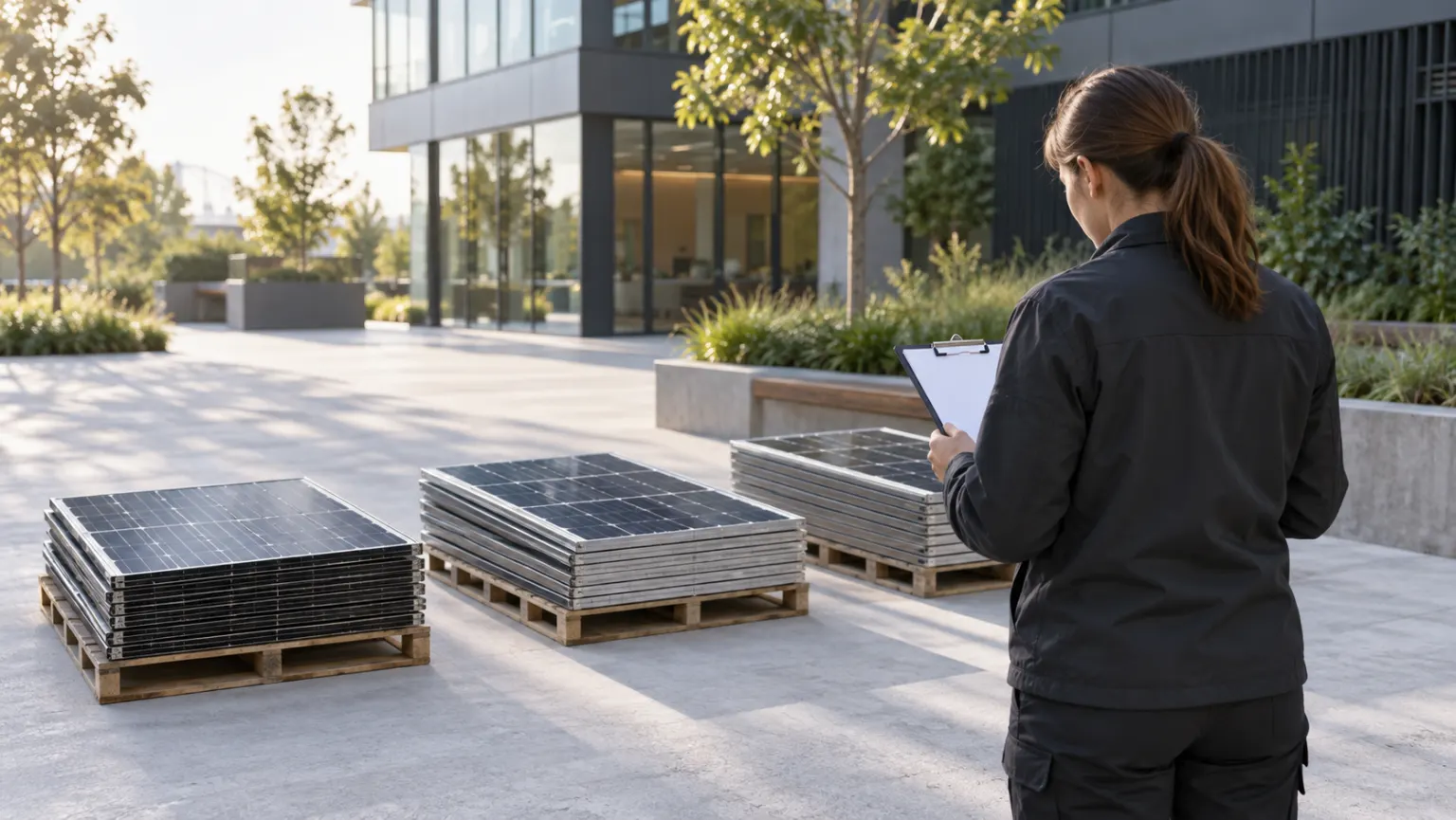
A property solar replacement usually produces several records at once: the upgrade programme, the historic system asset register and the current equipment available at ground level. Only the last one can describe an actual handover for scope review. After appropriately qualified people have safely removed equipment, record the real panel count, separately listed components, broad visible condition, actual ground-level point, relevant access facts and one reachable contact. Those details support ReSova’s assessment of eligible equipment; they do not confirm acceptance, price, vehicle, route, arrival time, booking, reuse, recycling or a final destination.
Keep three replacement records separate
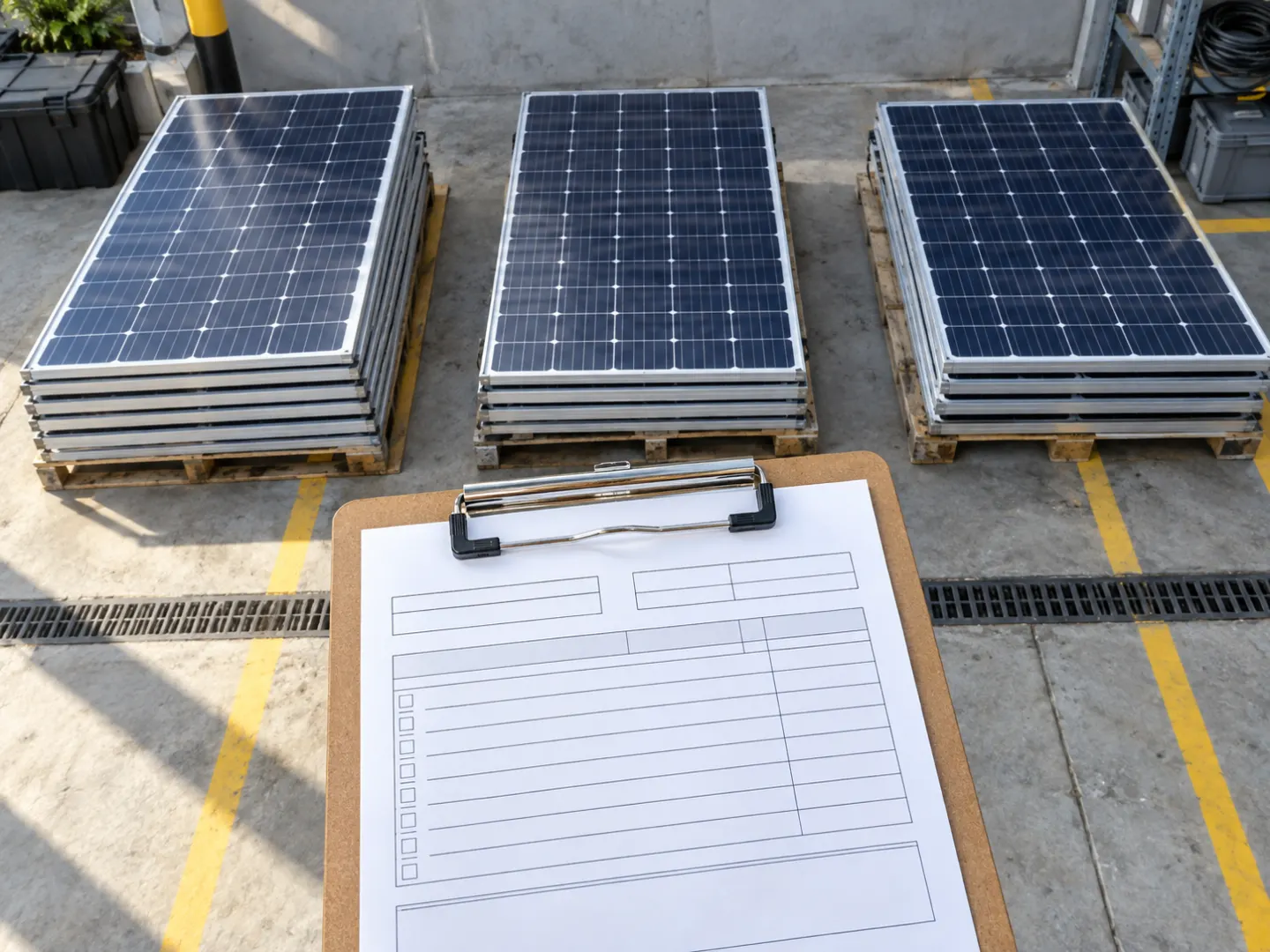
The most common scope error is allowing a useful project document to stand in for a current physical handover. A property manager may have an approved upgrade brief, a panel count from the original installation and a removal programme. None confirms what exists at the ground-level point today. Treat each record as useful for its own purpose, then use the ready-batch record when asking for collection scope review.
| Record | Useful for | Do not use it to infer |
|---|---|---|
| Upgrade programme | Planned replacement stages, building coordination and the future work sequence. | That panels are already removed, available, accepted or booked. |
| Historic system register | Original capacity, equipment history and your own asset-management context. | The current ready count, current condition or exact post-removal components. |
| Current handover register | Actual removed equipment, ground-level location, access facts and current contact. | Eligibility, price, vehicle, route, timing, booking or downstream outcome. |
This distinction is especially valuable where removal is staged around tenant access, building works or a new installation. Equipment that remains installed, connected or planned for a later stage stays outside the current ready-batch record. See the partial-removal guide for the boundary between the current batch and a later stage.
Build a current handover register from facts the site already knows
The register does not need technical conclusions, a test result or a serial-number hunt. It is a short factual handoff between the property team, the removal lead and the person requesting a scope review. Use existing project records where they are available; do not unpack, move, test or re-sort equipment simply to make the record look more complete.
| Field | Record the current fact | Leave out the assumption |
|---|---|---|
| Equipment | Actual ready panel count; inverters, rails, racking, cables and other equipment as separate categories. | That equipment from one original system belongs in one collection scope. |
| State | Broad visible condition and anything genuinely unknown. | A diagnosis, resale value, reuse decision or recycling outcome. |
| Place | The actual ground-level handover point and known approach constraints. | A provider’s vehicle, route, loading method or arrival time. |
| People | A reachable site contact and the responsible removal/site parties in your own project file. | That ReSova takes over electrical, roof, safety or traffic responsibilities. |
Update the facts, then choose the honest scope path
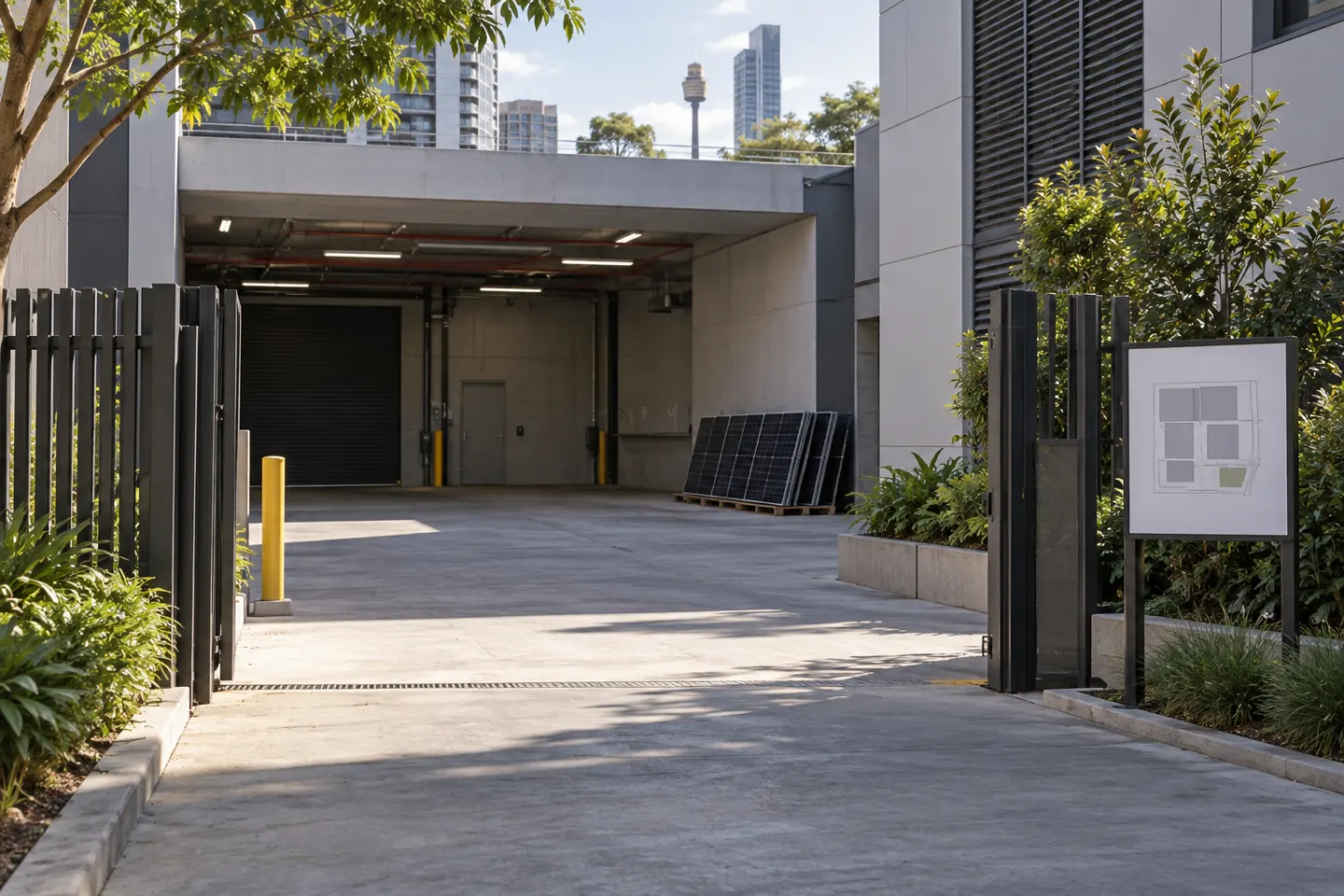
A register is most useful when it changes with the project. Update it when more equipment reaches ground level, when the actual count differs from the forecast, when a component category is added, when the known handover point or access facts change, or when the site contact changes. A preferred date or a complete-looking register can make a conversation more efficient, but it is not a booking confirmation.
A factual property-replacement handover flow
- Keep the replacement plan with the project teamUse it to coordinate the property work; do not call it a ready collection batch.
- Wait for qualified removalEquipment still installed or connected is not part of a ground-level handover record.
- Record the current batchCount actual panels and list other categories separately, including honest unknowns and broad visible facts.
- Describe the point and contactState the current ground-level handover location, known access constraints and a contact who can confirm changes.
- Request the fitting reviewUse the standard estimator only when its current eligibility criteria fit; use the Commercial Services page for a staged, mixed, 70+ panel, multi-site or complex-access discussion.

Keep site responsibilities where they belong
Australian Government consumer guidance says solar components need professional assistance for replacement and recycling, and that removal or replacement should be done by a licensed electrician. That guidance does not convert a collection review into removal approval. Electrical disconnection, removal, roof work, site safety, traffic management, technical testing and legal advice stay with the responsible site parties and appropriately qualified people. ReSova’s role is narrower: it assesses eligible equipment after safe removal and a ground-level handover can be described.
For a component-first checklist, use What We Collect. For a project with staged batches, mixed equipment or complex access, use the tailored commercial scope guide. For an eligible standard panel-only enquiry, the Collection Estimator explains its current inputs; neither route creates an acceptance or booking merely by being submitted.
Sources and dates checked
- Australian Government — Replace and recycle your solar system, checked 29 September 2026: professional assistance and licensed electrical removal/replacement guidance.
- U.S. Department of Energy FEMP — Prepare for the end of a PV performance period, checked 29 September 2026: comparator for separating system decisions, decommissioning scope and lifecycle planning; not Australian legal or service guidance.
- ReSova — Commercial Services, checked 29 September 2026: current commercial scope-review entry point and service boundary.
Key takeaways
- Use a current handover register for the actual removed ground-level batch; keep upgrade plans and historic asset records separate.
- Record current panel counts, separate equipment categories, broad visible facts, the handover point, access context and a reachable contact—without technical conclusions.
- Update the register whenever actual quantity, components, handover place, access or contact changes.
- A complete register supports review only; it does not promise acceptance, price, vehicle, route, timing, booking or a downstream outcome.
- Removal, electrical work, roof work, site safety, traffic management and technical testing remain with responsible site parties and qualified people.
Frequently asked questions
Does the original solar-system register show what is ready for collection?
No. It is useful project background, but the collection-scope record must show only the actual equipment already safely removed by qualified people and available for ground-level handover.
Should panels, inverters, rails and cables be recorded in one line?
No. Record panels and each other equipment category separately. A shared original system does not make every component part of the same collection scope.
Which changes should update a replacement handover register?
Update actual ready quantities, separately listed equipment, broad visible condition, the ground-level handover point, access constraints and the reachable site contact whenever those facts change.
Does an updated register confirm a collection arrangement?
No. It supports a clearer review only. It does not confirm eligibility, price, vehicle, route, arrival time, booking, reuse, recycling or a final destination.
Discuss a Commercial Collection
ReSova considers eligible, already removed equipment in Sydney and selected NSW areas after the ground-level handover and site access can be confirmed. It does not decide removal, technical condition or a final downstream outcome.