
Quick answer
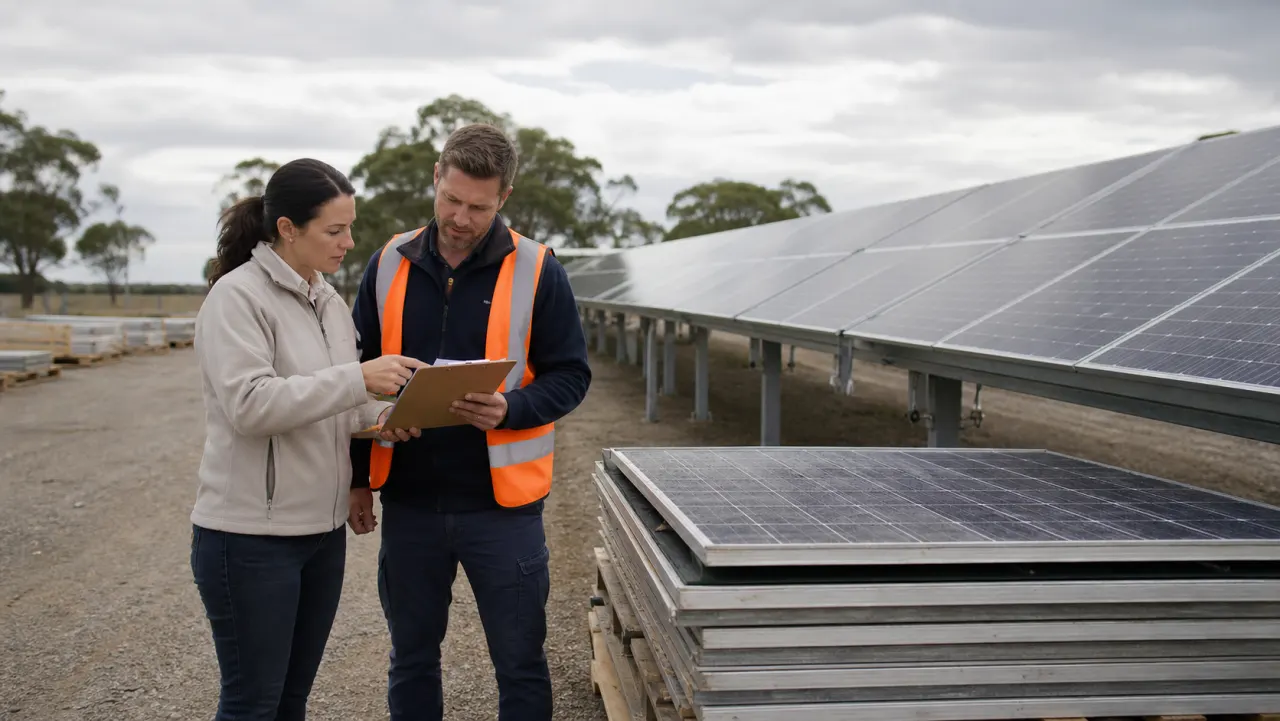
Start by separating the question of what happens to the site from the question of what happens to removed panels. Repowering can retain a site’s connection and infrastructure while replacing modules; reuse requires evidence that specific removed modules are suitable; recycling is the likely route for damaged, unsafe or unsuitable equipment. A project can use more than one pathway — it is not a vote for one label across the whole batch.
First separate the site decision from the panel decision
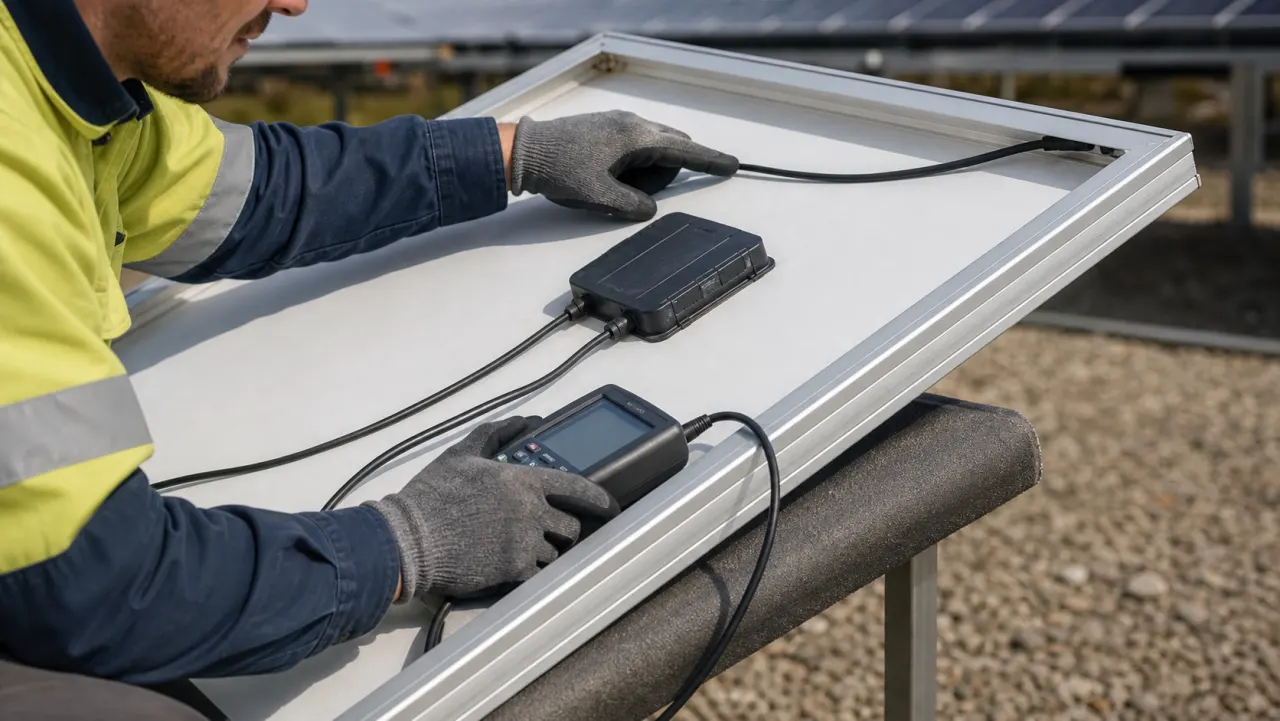
The US Department of Energy’s 2026 lifecycle guidance describes repowering as installing newer modules and inverters while considering the value of existing site infrastructure, permits and connections. That is a project-level decision. It does not establish the condition of the removed modules. Separately, the IEA PVPS Task 13 second-life report identifies testing and sorting as the more robust route for reuse triage and notes that repair and reuse remain subject to economic and regulatory constraints.
A condition-first decision table
| Question | Evidence to gather | Practical next step |
|---|---|---|
| Should the site be repowered? | Site performance, commercial objective, infrastructure, approvals and connection constraints. | Decide the operating-site strategy with the asset and engineering team. |
| Could removed panels be reused? | Physical condition plus appropriate electrical/performance testing and a credible downstream pathway. | Hold as candidates only until they have been assessed; do not promise resale or reuse. |
| Should panels be recycled? | Damage, safety issues, failed testing or lack of a viable reuse route. | Arrange a compliant recovery pathway for the collection scope; do not claim a recovery percentage in advance. |
| What can collection decide? | Quantity, broad condition, staging, access and included equipment. | Document the handover on the collection job docket and sort downstream by condition. |
Why condition comes before a pathway label
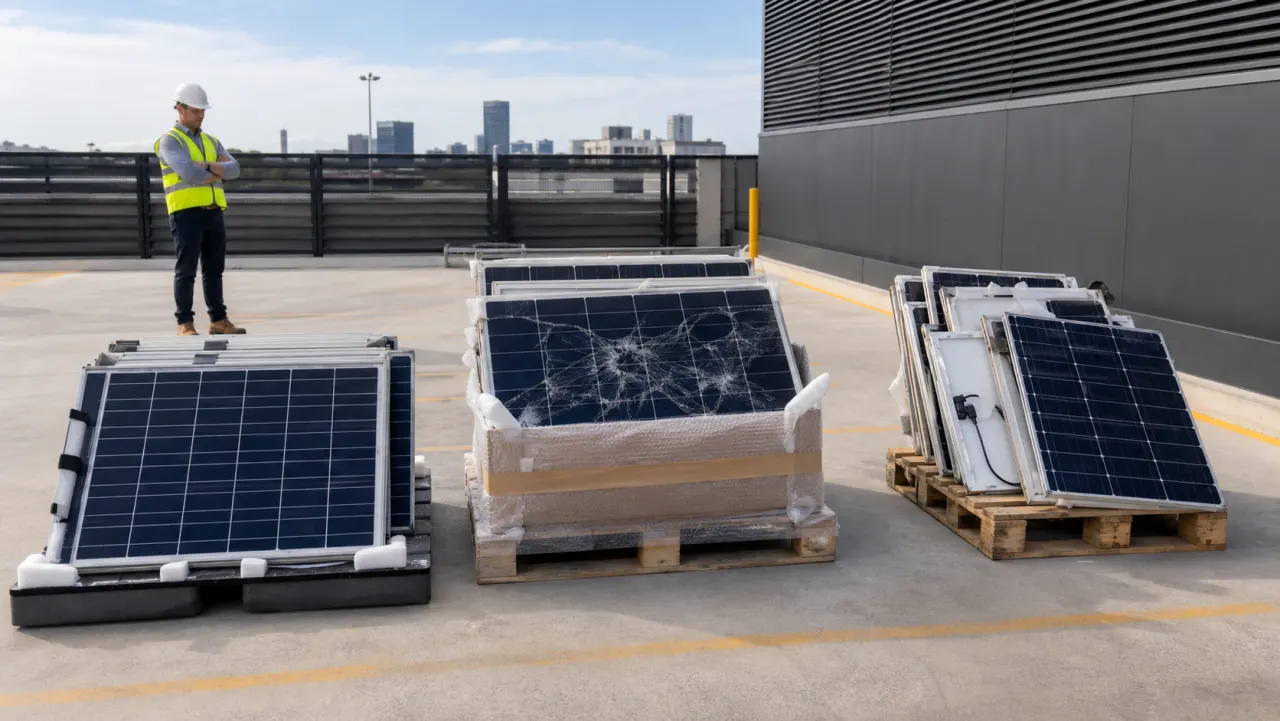
A panel can be removed because a site is upgrading, not because the panel has failed. Equally, an intact-looking module may not be appropriate for reuse without testing, traceability and a suitable destination. The Smart Energy Council’s current reuse and recycle resources treat repowering, decommissioning, reuse and recycling as linked but distinct planning questions. This is why a useful project inventory records counts, visible damage, mixed module types, access and who holds the next decision — without converting those notes into a performance certificate.
A project framework for removed panels
Make the next decision with the right evidence
- Set the site strategyDecide whether the project is repowering, retaining, upgrading or decommissioning; this is separate from material handling.
- Build the removed-panel inventoryCount modules and record broad visible condition, batch consistency, location, access and associated equipment.
- Keep pathway claims conditionalOnly properly assessed modules can be considered for reuse; damaged, unsafe or unsuitable modules move toward recycling or recovery.
- Arrange documented collectionOnce panels are safely removed and staged, collect eligible equipment and retain the job docket as the handover record.
For Sydney and NSW commercial projects
For a Sydney or selected NSW project, ReSova’s role is the collection handover after safe removal: confirm the scope, collect eligible equipment, count it and record the job docket. It is not an engineering determination on whether to repower, a reuse certification, an electrical de-installation service or a guarantee of final recovery. Review What We Collect to scope panels and related components, then use bulk and project collections when the quantity or access needs project planning.
Key takeaways
- Repowering is a decision about the operating site; reuse and recycling are decisions about the removed equipment.
- An intact-looking panel is not automatically reusable — appropriate testing, traceability and a viable pathway still matter.
- A mixed batch can legitimately use different downstream pathways once condition and suitability are assessed.
- For collection, the immediate evidence is quantity, broad condition, staging and access; ReSova records the handover but does not guarantee a downstream outcome.
Frequently asked questions
Does repowering mean the removed panels should be recycled?
Not automatically. Repowering changes the site configuration; each removed panel still needs an appropriate assessment. Sound, tested panels may be considered for reuse, while damaged, unsafe or unsuitable panels are generally directed toward recycling or recovery.
Can condition alone prove a panel is suitable for reuse?
No. A visual check is useful for triage, but reuse suitability needs appropriate testing and a compliant downstream pathway. Do not describe a panel as reusable merely because it looks intact.
What does ReSova decide at collection?
ReSova confirms the collection scope, counts eligible equipment and records the job docket. Broad visible condition may inform a later separate assessment, but ReSova does not guarantee an individual panel's reuse, recycling rate or final destination.
What We Collect
ReSova considers eligible, already removed equipment in Sydney and selected NSW areas after the ground-level handover and site access can be confirmed. It does not decide removal, technical condition or a final downstream outcome.