
Quick answer
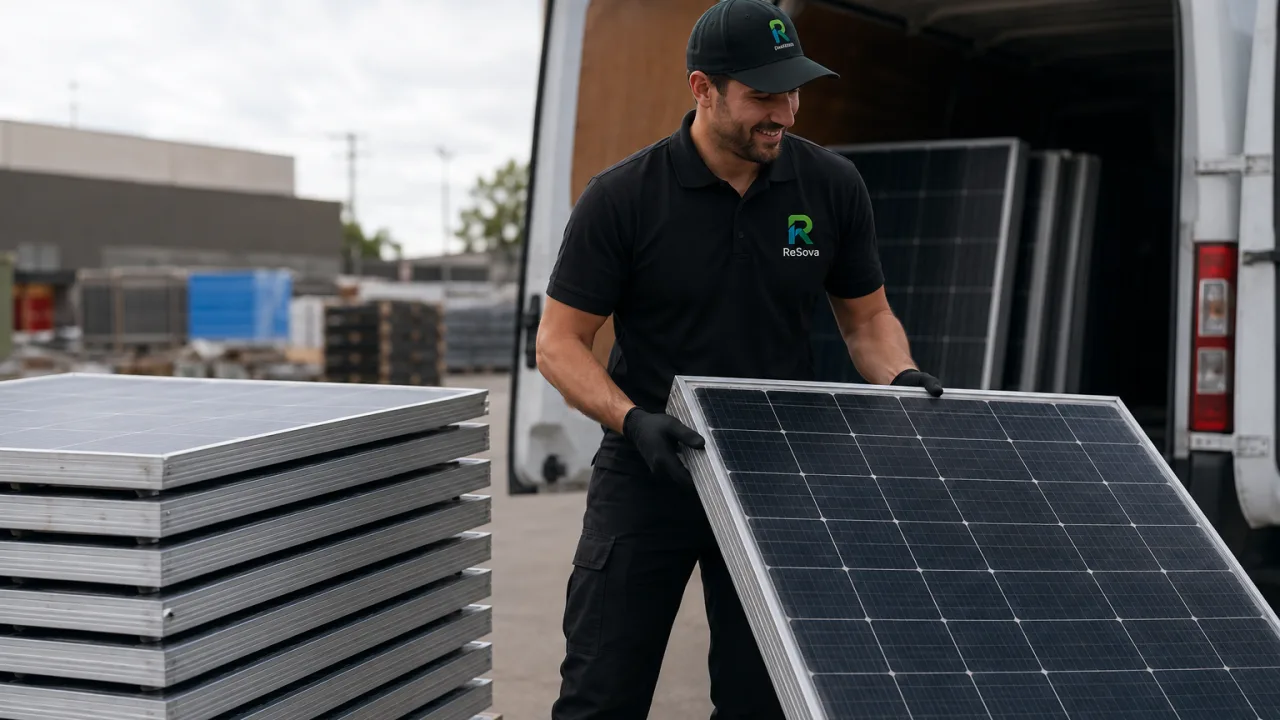
Usually, no. Most removed solar panels cost money to collect and recycle rather than earn it, because used-panel value is modest and rarely covers the labour, transport and processing involved. The exception is panels in sound, tested working condition and useful quantities: these can carry second-life value that offsets the collection fee, and a few traders even advertise buyback for large volumes of good panels. Damaged, aged or one-off small batches are a disposal cost, not an asset.
Why used panels are usually worth little
A working solar panel still has value — but far less than people expect. New panels are cheap and plentiful, so the second-hand price for used modules is low. At the same time, recovering a panel is labour-intensive: it has to be safely removed, stacked, collected, transported, tested and either refurbished or processed. For most removed panels, those costs are higher than what the panel is worth, so a collection fee applies rather than a payment.
Recycling doesn’t change that maths. A panel is roughly 95% recoverable material by weight, according to the Clean Energy Council, but the recovered glass, aluminium and silicon are commodity materials worth less than the cost of collecting and processing the panel. So recycling a panel typically costs money too.
What actually has value
In the wider used-panel market, panels most likely to be considered for reuse by an appropriately equipped third party generally have the following characteristics:
- Sound and undamaged — intact glass, frame, backsheet, cables and connectors.
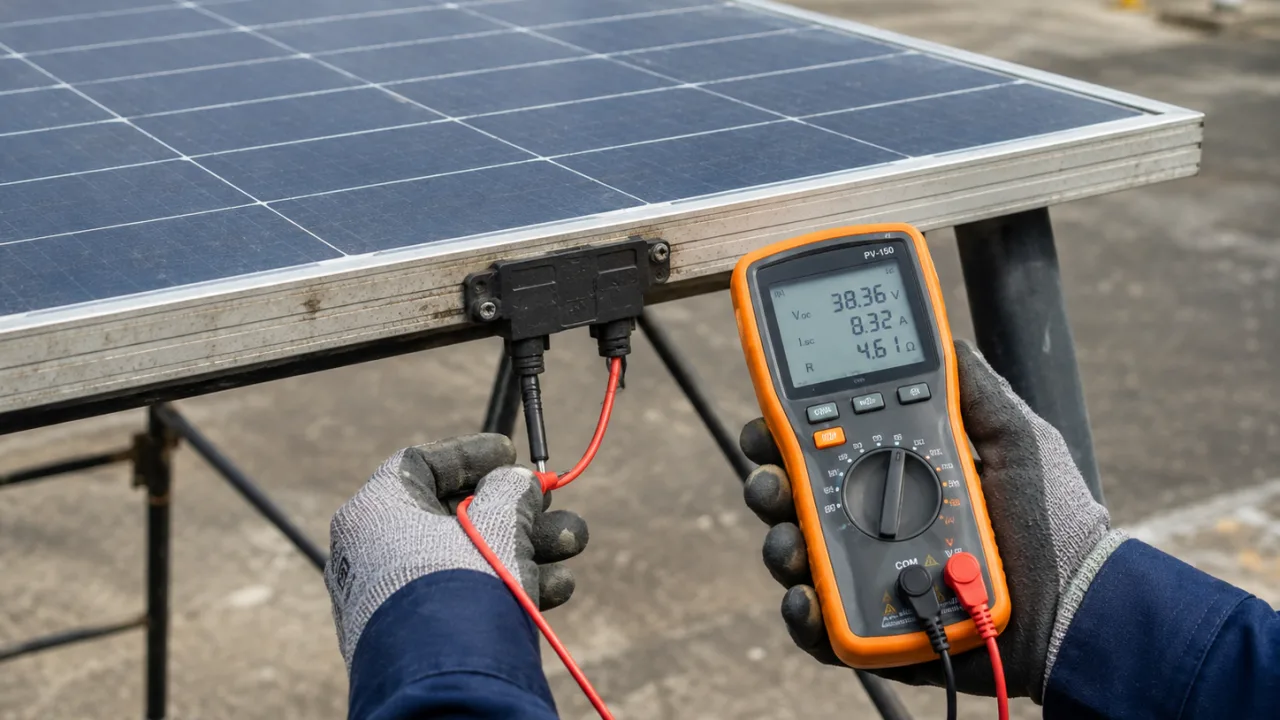
- Tested and performing — they still produce close to their rated output.
- Recent, common models — easier to match and resell than obsolete panels.
- In useful quantities — a large batch of the same panel is far more attractive than a handful of mixed modules.
A used-panel market does exist in Australia — some operators, such as Resolarcycle, advertise buyback for suitable panels — but it is selective, and most household quantities won’t qualify. We explain how sound panels re-enter service in second-life solar.
Sell, recycle or dispose?
| Outcome | Best for | Do you get paid? |
|---|---|---|
| Reuse / resale (second-life) | Sound, tested panels in volume | Sometimes — value can offset or reduce the fee |
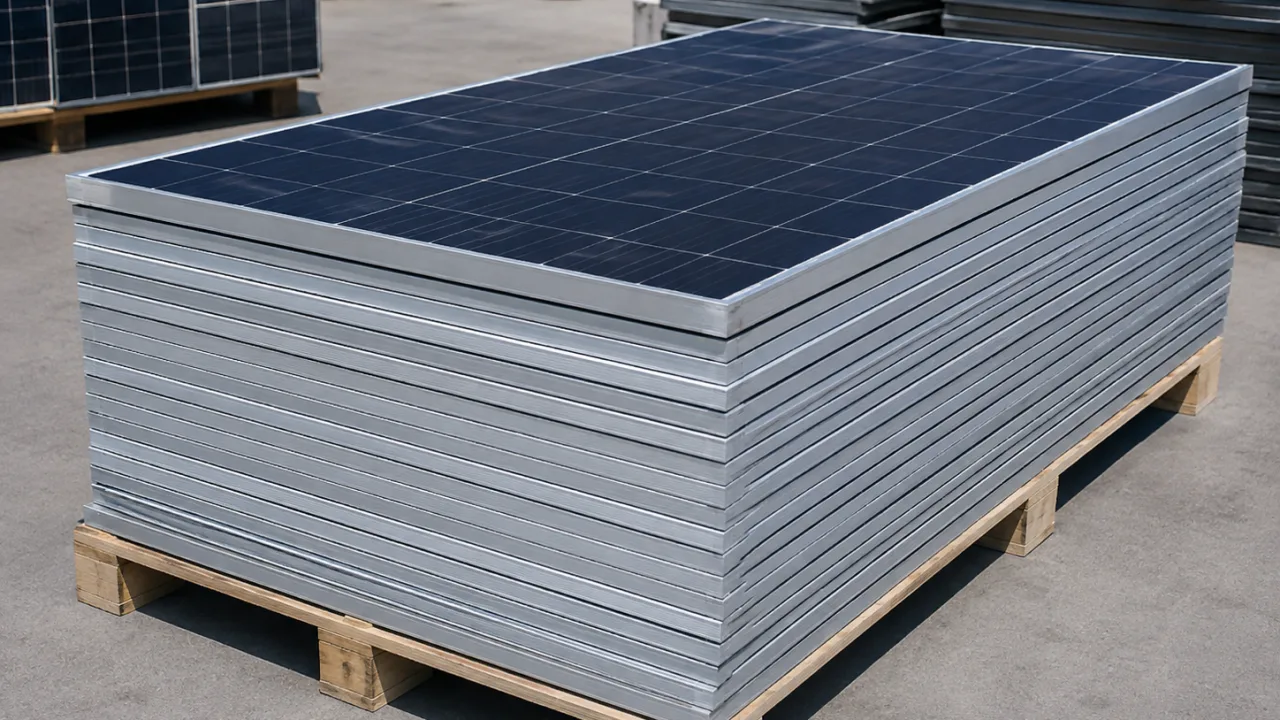
| Recycling | Damaged or end-of-life panels | No — usually a processing cost |
| Landfill | Not recommended (and restricted in bulk) | No — and value is lost |
How value is assessed
A responsible collector prices each job on its real collection inputs, not a headline “we pay cash” promise. ReSova’s online estimator uses panel quantity, collection postcode, broad visible condition and loading choice. The indicative processing component starts at around A$9 per panel including GST before any eligible visible-condition adjustment; transport and loading are separate, and access or other project requirements may affect the final quote. The estimator is not an equipment purchase offer. The full logic is on the how pricing works page, and the detailed cost factors are in our collection cost guide.
Getting a figure in Sydney
The honest answer for most Sydney homeowners is that you won’t be paid for a small batch of used panels — but you also shouldn’t overpay. Enter your postcode and panel count in the online estimator for an indicative figure, or see what we can take on the what we collect page. If you have a large volume of recent, undamaged panels, tell us — that’s the case most likely to reduce your cost.
Key takeaways
- Usually you don't get paid — most removed panels cost money to collect and recycle rather than earn it.
- Used-panel value is modest and rarely covers labour, transport and processing.
- The exception is sound, tested panels in useful quantities, which can carry second-life value that offsets the fee.
- Damaged, aged or single small batches are a disposal cost, not an asset.
- ReSova's estimator provides a collection-price pathway, not an equipment purchase offer.
Frequently asked questions
Can you sell old solar panels in Australia?
Sometimes. Panels in sound, tested working condition can be resold into a second-life market, and a few traders advertise buyback for large volumes of good panels. But most removed panels — especially damaged, aged or single small batches — have modest resale value that does not cover collection and processing, so a collection fee usually applies.
Do you get paid to recycle solar panels?
Generally no. Recycling can recover materials such as glass, aluminium and silicon, but collection, transport and processing still have costs. A ReSova estimate is for the collection pathway and should not be read as an equipment purchase or recycling-payment offer.
How much are used solar panels worth?
It depends on condition, quantity, model and an appropriate assessment. A consistent batch of tested, undamaged panels may be considered for reuse, while other panels may require a downstream recycling or recovery pathway. Most household quantities should not be assumed to have resale value.
Will ReSova pay for my old solar panels?
The public estimator provides a collection-price pathway, not a promise that ReSova will purchase panels. Any separate purchase arrangement would require individual business confirmation and should not be assumed from panel appearance or the estimate.
Get an Estimate
ReSova considers eligible, already removed equipment in Sydney and selected NSW areas after the ground-level handover and site access can be confirmed. It does not decide removal, technical condition or a final downstream outcome.