
Quick answer
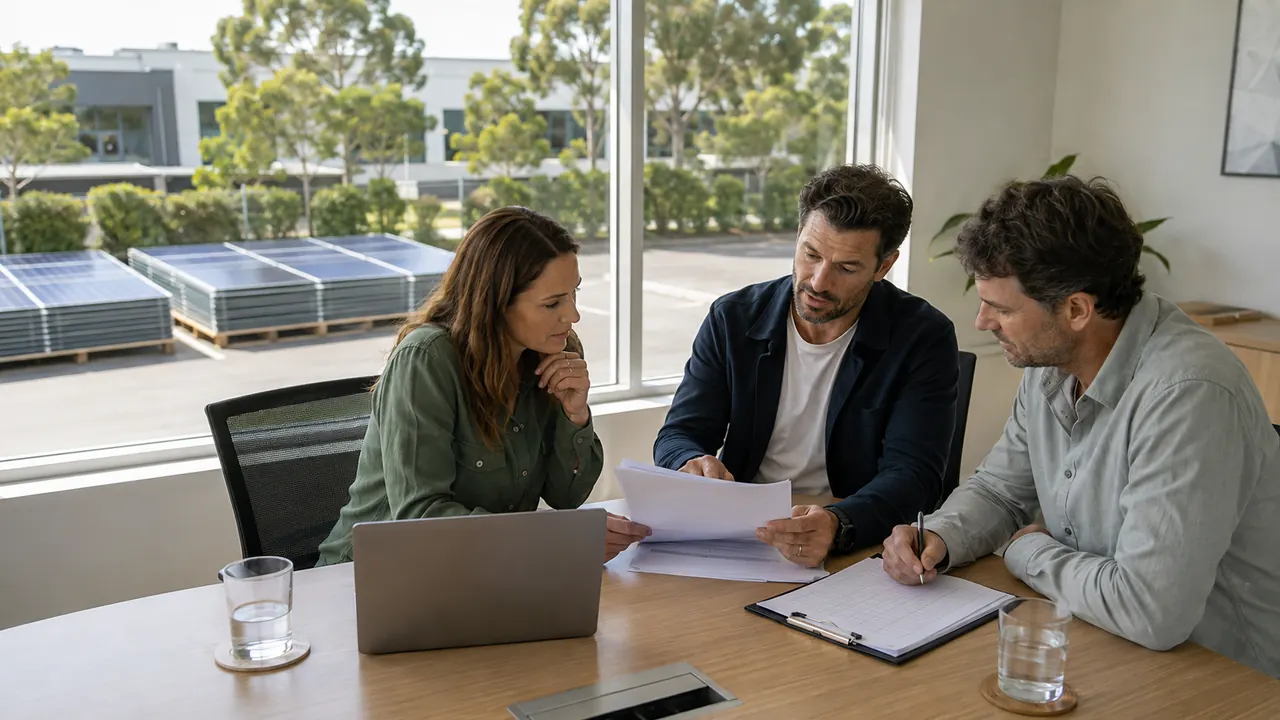
The 26 August 2026 public hearing on solar-panel reuse and recycling was part of a federal parliamentary inquiry. It gathered evidence on system questions including product stewardship, collection and recycling pathways, data and traceability, and safe reuse. It did not itself create a NSW collection rule, decide who owns removed equipment or promise an outcome for a particular project. In Sydney and selected NSW areas, ReSova considers equipment only after appropriately qualified people have safely removed it and it is ready for ground-level handover.
What happened
The House of Representatives Standing Committee on Climate Change, Energy, Environment and Water issued a media release on 25 August 2026 for a Melbourne public hearing the following day. The release says the hearing formed part of an inquiry referred to the Committee in January 2026 and would hear from industry, researchers, recyclers, local government and circular-economy experts. The Committee’s public-hearings page provides the official inquiry context. Those sources establish an evidence-gathering process; they do not announce a completed national scheme or a new NSW project requirement.
What a hearing is — and is not
A public hearing gives a parliamentary committee material to consider when it reports on an inquiry. It is separate from an enacted law, a site approval, a collection contract or a technical assessment of equipment. The Australian Government’s solar-panel page separately describes the National Solar Panel Recycling Pilot and its purpose of testing collection, transport and recycling. That existing federal program context should not be read as an automatic change to the collection conditions for any particular NSW property.
| Information category | What the official material can confirm | What remains for the project team | What ReSova can assess | What ReSova cannot determine or promise |
|---|---|---|---|---|
| Inquiry activity | A federal inquiry held a public hearing on reuse and recycling issues. | Any current obligations, permissions or approvals for the actual site. | Whether already removed equipment can be considered for a collection scope. | That an inquiry has changed a law, lease, ownership position or project responsibility. |
| Policy and programs | Government material describes a national pilot and broader policy work. | Which requirements or programs apply to this batch and location. | The actual equipment and handover inputs presented for the job. | A collection price, collection time, recovery rate, certification or final route. |
| Site handover | The inquiry highlights collection and traceability as system themes. | Safe removal, actual count, component list, staging, access and site contact. | An eligible scope after ground-level readiness is confirmed. | Electrical removal, legal advice, ownership advice, technical diagnosis or a downstream result. |
What remains unchanged for NSW projects
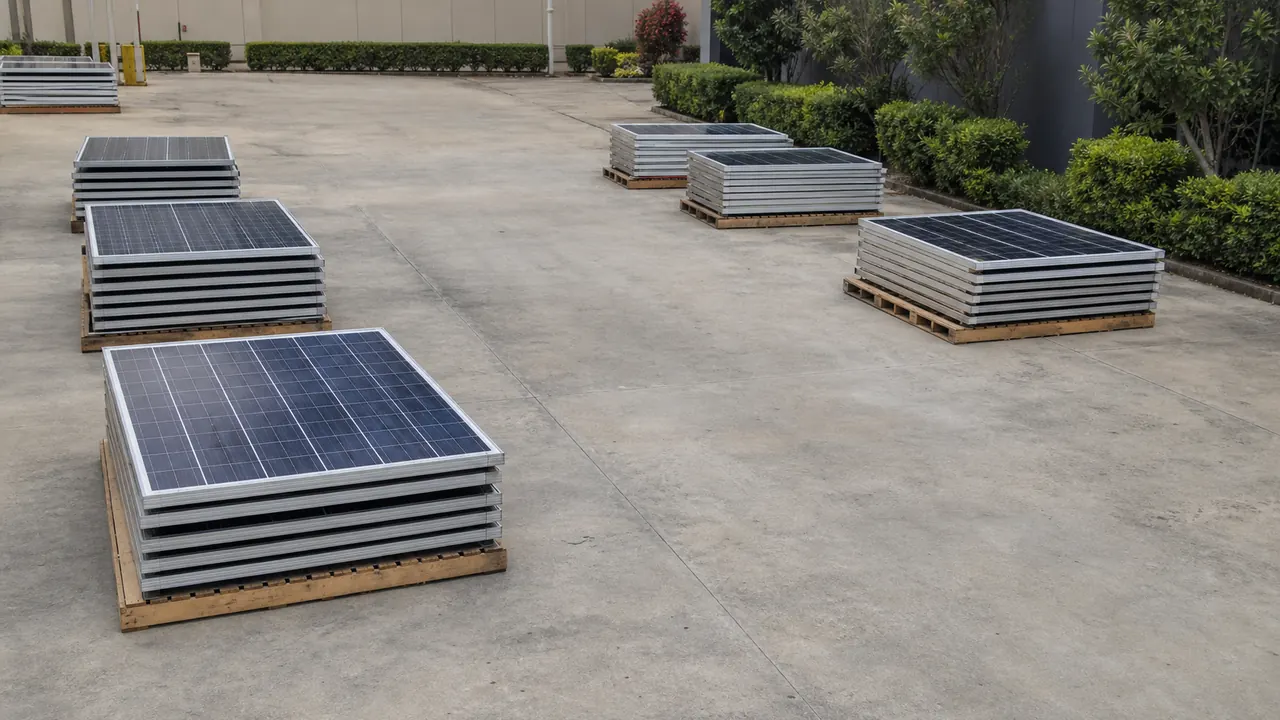
The hearing date does not automatically confirm equipment ownership, removal responsibility, collection eligibility, site access, price, arrival time or a final downstream result. Those questions depend on the actual site, equipment and responsible parties. Property, lease and asset questions should be resolved by the relevant parties; ReSova does not offer legal, ownership or lease advice. Electrical isolation, safe removal and site safety work remain with appropriately qualified people and the responsible project team.
A safe handover still depends on project inputs
From policy discussion to a scope-ready site handover
- Confirm responsible partiesThe asset, property and project parties establish permissions, site contacts and their own handover arrangements.
- Complete safe removalAppropriately qualified people manage isolation, removal and applicable site safety work before collection is considered.
- Describe the actual equipmentRecord the real count, broad visible condition and separately listed components without predicting performance or downstream outcomes.
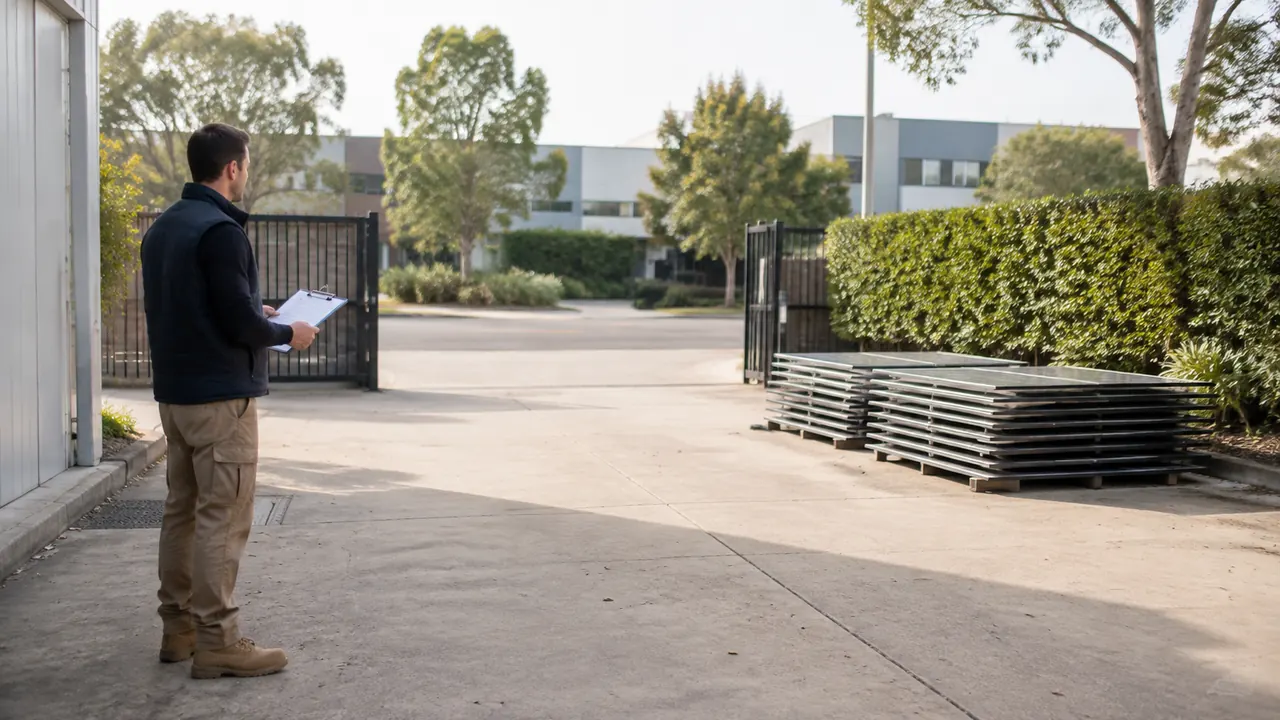
- Prepare ground-level stagingNominate a protected handover area and share access, loading and contact information.
- Assess the collection scopeReSova can consider eligible already removed equipment in Sydney and selected NSW areas; 70+, complex or project work needs a tailored scope.
What ReSova can assess after safe removal
For an eligible collection request, the useful inputs are the actual equipment count, types, broad visible condition, ground-level staging point, vehicle/loading access, nominated site contact and any batch sequence. For standard jobs that fit the 10–69 panel pathway, see the collection estimator. Use Commercial Services for project context; 70+ panels, multiple contacts or batches, special components and complex access need a tailored scope. A job docket can record collection quantities and handover information, but it is not a legal certificate, audit assurance, lease-compliance proof, warranty document or final-disposal proof.
Key takeaways
- The 26 August 2026 hearing was part of a federal parliamentary inquiry, not a new NSW collection rule or service announcement.
- A hearing does not decide asset ownership, lease responsibility, collection eligibility, price, timing, recovery rate or a final downstream result.
- Safe removal, actual equipment details, ground-level staging, access and the site contact remain the practical handover inputs.
- ReSova considers eligible already removed equipment in Sydney and selected NSW areas; 70+, complex or project work requires a tailored scope.
Frequently asked questions
Does the inquiry create a new NSW solar panel collection rule?
No. A parliamentary inquiry and its public hearing gather evidence and may inform later recommendations. They do not, by themselves, create a NSW collection rule, change a site’s obligations or alter ReSova’s service scope.
Does a hearing determine who owns removed solar equipment?
No. Equipment ownership, lease responsibilities, permissions and site arrangements depend on the actual project documents and responsible parties. ReSova does not provide legal, lease or ownership advice.
Can a policy inquiry guarantee recycling outcomes for a project?
No. An inquiry can discuss system-level options, but it cannot guarantee a price, collection time, acceptance decision, recovery rate, certification or final downstream route for a particular equipment batch.
What information is still needed before collection scope can be assessed?
After appropriately qualified people have safely removed the equipment, confirm the actual count, broad visible condition, separately listed components, protected ground-level staging, vehicle/loading access, site contact and any batch sequence. These inputs support an assessment; they are not a guaranteed outcome.
Commercial Services
ReSova considers eligible, already removed equipment in Sydney and selected NSW areas after the ground-level handover and site access can be confirmed. It does not decide removal, technical condition or a final downstream outcome.