

Quick answer
A new PV recycling life cycle assessment (LCA) and techno-economic analysis can explain the assumptions and trade-offs in one proposed process. It does not set a Sydney collection scope or predict the result for a particular batch. For ReSova to consider eligible equipment in Sydney and selected NSW areas, appropriately qualified people must first complete safe removal and the project must be able to confirm the actual equipment, broad visible condition, ground-level staging, access, site contact and batch readiness.
What the new research studies
A paper published in Solar Energy Materials and Solar Cells on 1 August 2026, Life cycle assessment and techno-economic analysis of a laser-based end-of-life solar panel recycling process, evaluates a proposed laser-based process through a case study. The authors compare landfill, partial-recovery and full-recovery scenarios for crystalline-silicon modules. The paper describes a gate-to-gate LCA boundary and a hypothetical facility model; it also notes that industrial-scale deployment of the proposed laser-assisted route remains challenging. That makes it useful research evidence, rather than a statement that a particular NSW project or facility will achieve the modelled result.
For broader context, IEA PVPS Task 12’s 2026 life-cycle inventory update reports updated empirical inventory data and highlights the importance of transparent data for circular-economy decisions. pv magazine Australia’s report is useful industry coverage of that release. Neither source turns a system-level data set into a guaranteed collection, pricing or recovery outcome for an individual site.
Why a study boundary is not a project scope
A study boundary defines what the researchers modelled and what they excluded or assumed. In the laser-process paper, the result depends on specified module type, process configuration, transport and facility assumptions. A Sydney project has different questions: what equipment is actually removed, whether it is ready at ground level, how it is staged, what other components are included, who will meet the collection team and whether the loading route is usable. Those are scope inputs, not variables an LCA can decide remotely.
| Research may analyse | It cannot directly decide | Project team confirms | ReSova can assess | Not promised |
|---|---|---|---|---|
| A defined process and material-input scenario | Whether a particular batch is eligible or will follow that process | Actual equipment type, quantity and broad visible condition | Whether eligible already removed equipment can be scoped for collection | Acceptance, reuse suitability or a particular downstream route |
| Modelled environmental or economic assumptions | A Sydney price, collection time or vehicle capability | Ground-level staging, access restrictions, contacts and batch readiness | The practical collection-scope inputs for the actual handover | A fixed price, arrival time, transport result, recovery rate or certification |
| Potential system-level trade-offs | Electrical status, safe removal or site safety | Confirmation that appropriately qualified people completed safe removal | A collection role after safe ground-level handover | Electrical diagnosis, isolation, removal, hazardous-material judgement or technical-process certification |
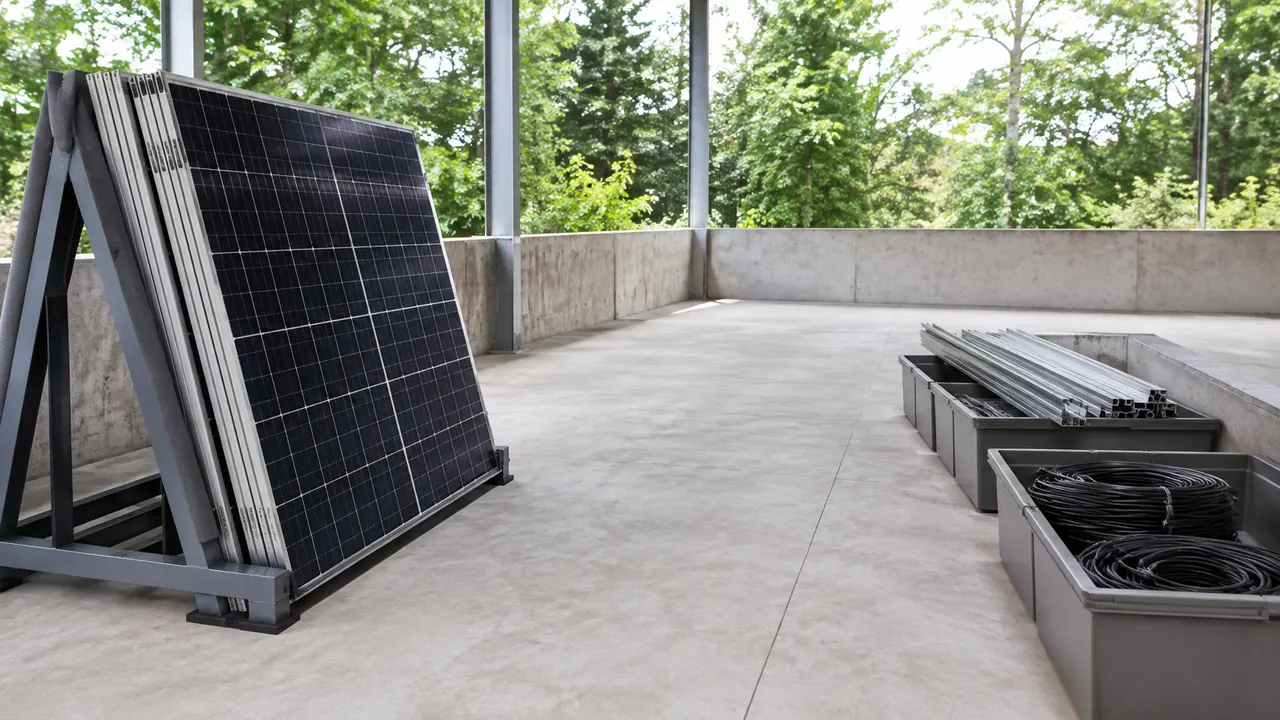
Research evidence and a collection decision are different layers
The Australian Government’s National Solar Panel Recycling Pilot information describes a policy program intended to test real-world collection, transport and recycling. It is a separate layer again: useful system context, not a substitute for confirming an individual site’s equipment and access. A study, a policy program and a site handover can all be relevant, but none automatically completes the other two.
From research evidence to practical handover inputs
Use research without over-extending it
- Read the research questionIdentify the technology, module type, system boundary and assumptions the study actually examines.
- Keep the conclusion in scopeTreat results as evidence about that model, not a price, test, collection decision or downstream guarantee for a site.
- Confirm safe removalAppropriately qualified people and responsible project parties handle isolation, removal and on-site safety before collection is considered.
- Describe the actual batchConfirm count, equipment types, broad visible condition, related components, ground-level staging, access and the nominated contact.
- Assess collection scopeReSova can consider eligible already removed equipment in Sydney and selected NSW areas. Complex, multi-batch or 70+ panel work needs a tailored scope.
What project teams can prepare
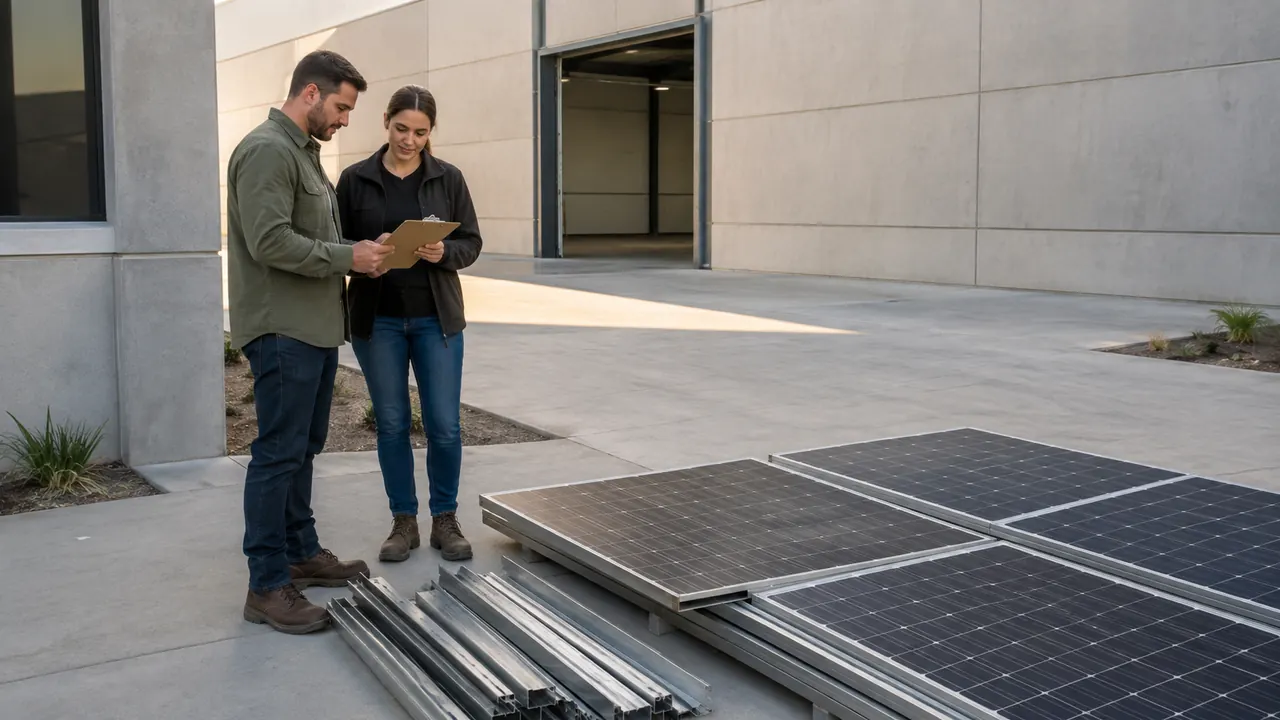
Do not use research conclusions as a shortcut around site preparation. Provide actual counts rather than estimates, separately list other components, describe only broad visible condition, nominate protected ground-level staging, explain vehicle/loading access and provide the responsible site contact. Explore What We Collect for current equipment context and Commercial Services for project planning. Standard 10–69 panel jobs that fit the pathway can start with the collection estimator; 70+ panels, complex access, special equipment or project-style work needs a tailored scope. A job docket records the collection quantity and handover information only — it is not a statutory certificate, audit assurance, warranty evidence or proof of final disposal.
Key takeaways
- The 1 August 2026 laser-based PV study evaluates a defined hypothetical process and explicitly notes industrial-scale deployment challenges.
- An LCA or techno-economic model cannot set a project price, collection time, recovery rate, acceptance decision or final downstream route.
- For a local handover, the real inputs are safe removal, actual equipment details, ground-level staging, access, contact and batch readiness.
- ReSova assesses eligible already removed equipment in Sydney and selected NSW areas; 70+, complex, special-equipment or project work requires a tailored scope.
Frequently asked questions
Can a recycling LCA confirm a collection outcome for my site?
No. A life cycle assessment models a defined study boundary and assumptions. A site-level collection scope still depends on actual equipment, safe removal, count, broad visible condition, ground-level staging, access, contacts and the agreed scope.
Does PV recycling research guarantee a recovery rate?
No. Research findings apply to the study’s process, material inputs, system boundary and assumptions. They do not guarantee a recovery rate, reuse outcome, certification or particular downstream route for a specific batch.
Can a research result determine the value of removed solar panels?
No. ReSova does not provide a valuation based on research findings. A paper’s modelled economic result is not a price, quote, acceptance decision or value assessment for removed equipment.
What details are needed for a collection-scope assessment in Sydney or NSW?
Confirm that appropriately qualified people completed safe removal, then provide actual quantities, equipment types, broad visible condition, ground-level staging, access and loading constraints, a site contact and any batch sequence. Larger 70+ panel, complex-access, multi-batch or project work needs a tailored scope.
What We Collect
ReSova considers eligible, already removed equipment in Sydney and selected NSW areas after the ground-level handover and site access can be confirmed. It does not decide removal, technical condition or a final downstream outcome.