
Quick answer
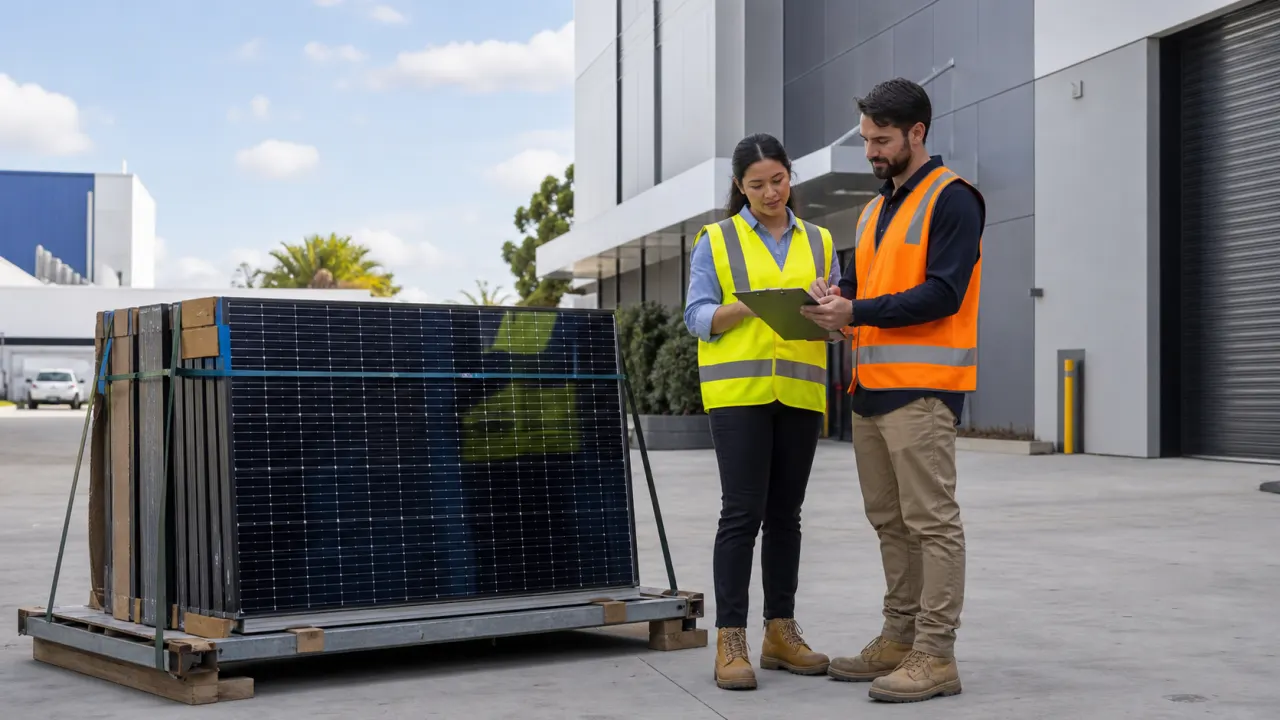
A peer-reviewed global photovoltaic-waste recycling study, published on 12 August 2026, evaluates 1,708 future recycling scenarios across 32 regions. Its conclusion is not that one universal recycling route will work everywhere; it is that capacity, technology and policy have to fit the region. For a Sydney job, that is a planning signal — not a new NSW rule, price, collection route or guaranteed recycling outcome. The practical action remains the same: after qualified people have safely removed the equipment, confirm the count, broad condition, ground-level staging and access before a collection is scoped.
What happened on 12 August 2026
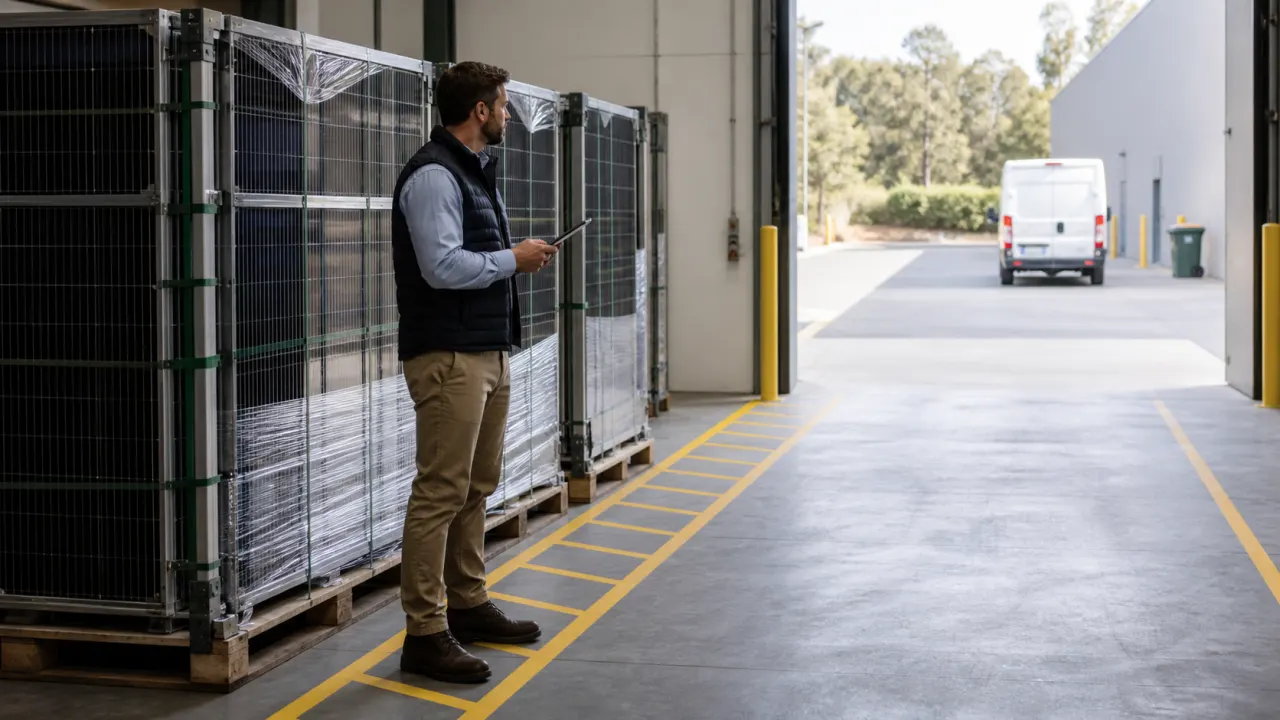
The open-access Nature study, Towards an equitable future of global photovoltaic waste recycling, models photovoltaic waste, recycling technologies and policy choices through 2060. It compares mechanical, thermal and chemical pathways, along with local and cross-region recycling scenarios. The authors project global cumulative PV waste of 297–402 million tonnes by 2060, depending on the scenario; pv magazine’s 18 August report usefully explains the study’s 1,708 scenario design for an industry audience. These are modelled long-range findings, not a count of panels waiting for collection in Sydney today.
| Question | What the study supports | What it does not establish for a Sydney job |
|---|---|---|
| Why recycling systems matter | Future PV waste volumes, recycling technology choices and regional capacity affect economic and climate outcomes. | That a particular panel batch will be reused, recycled at a stated rate or accepted by a specific processor. |
| What geographic fit means | A pathway that performs well in a model can depend on available technology, waste volumes, policy and transport context. | A NSW regulation, a nationwide ReSova service, or a mandatory collection route created by this study. |
| What a project can control | Good input data and clear material flows are necessary for any real system to work well. | A fixed price, collection time, legal compliance result or final downstream certificate. |
Confirmed findings and the limits that matter
The study is valuable because it makes trade-offs visible: higher system-wide benefit can be unevenly distributed, and recycling technology alone does not settle questions of local capacity or access. It does not announce an Australian processing plant, change a NSW waste rule, or say that a given module is suitable for reuse or a particular recovery result. Australia’s policy work is still evolving: the Australian Government’s solar-panel page describes the National Solar Panel Recycling Pilot as a way to test collection, transport and recycling — not as a universal on-demand service or a substitute for project obligations.
The Sydney handover: turn a global signal into usable project data
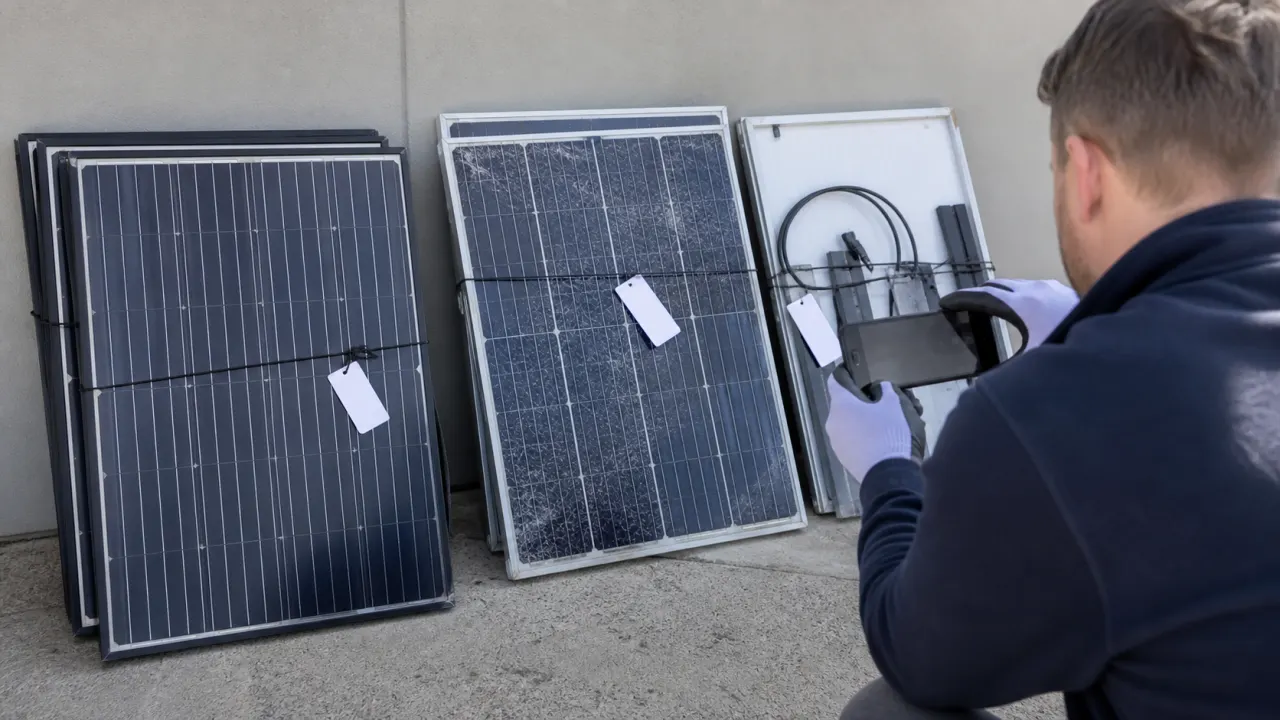
For Sydney installers, electricians, facilities managers and EPCs, the information gain is practical rather than predictive. Before a collection request, distinguish a sound, damaged or mixed batch in broad visible terms; identify whether other components are included; nominate the site contact; and explain where a vehicle can collect. The Clean Energy Council’s recycling overview similarly frames panel end-of-life as a material and system challenge, not an automatic outcome for every module. Do not turn a broad condition note into a performance claim or a disposal classification.
From safely removed panels to a scope-ready handover
- Complete safe removalAppropriately qualified people handle electrical isolation and removal. ReSova’s collection role does not begin on the roof or with live equipment.
- Describe the actual batchRecord the panel count, broad visible condition and any mixed components without predicting reuse, recycling or recovery results.
- Prepare ground-level accessUse a protected staging point and tell the collection contact about gates, loading limits, inductions or vehicle constraints.
- Confirm the collection scopeFor standard 10–69 panel jobs that fit the online scope, use the estimator; for 70+, unusual access or project work, request a tailored scope.
- Retain the handover recordAt collection, ReSova counts eligible equipment and records the handover on a job docket. The docket is not a legal certificate or final-processing guarantee.
What to do next in Sydney and selected NSW areas
The research supports better system design over time; it does not remove today’s site-planning work. ReSova provides on-site collection in Sydney and selected NSW areas once eligible equipment is already safely removed and ready to hand over. Review Commercial Services for a project pathway, What We Collect for current equipment scope, and solar-panel collection records for the practical file to retain after pickup. Use the online estimator only for eligible 10–69 panel scopes; 70+ panels, unusual access and complex project work require a tailored scope. No collection request promises a price, arrival time, recovery rate or specific downstream outcome.
Key takeaways
- The 12 August 2026 peer-reviewed study models 1,708 future PV-waste recycling scenarios; it is a research and policy signal, not a local service announcement.
- It does not create a NSW rule or establish a price, collection time, acceptance decision or recycling outcome for a specific Sydney batch.
- A scope-ready handover starts after qualified safe removal and includes count, broad visible condition, ground-level staging, site contact and access information.
- ReSova collects eligible already removed equipment in Sydney and selected NSW areas and records the collection handover on a job docket, not a legal or final-processing certificate.
Frequently asked questions
Does the new study create a solar-panel recycling rule in NSW?
No. It is global peer-reviewed research, not a NSW law, collection program or project approval. Check the requirements that apply to the actual site and receiving pathway.
Does the study tell me what will happen to panels from my Sydney project?
No. It models future system-level scenarios. A real project outcome depends on the actual equipment, condition, safe handling, collection scope, transport and confirmed downstream pathway; no article can promise a particular result.
What should be ready before a solar-panel collection is scoped?
First have appropriately qualified people complete electrical removal. Then confirm the panel count, broad visible condition, ground-level staging point, site contact and vehicle/loading access. ReSova can collect eligible already removed equipment in Sydney and selected NSW areas and records the collection handover on a job docket.
Commercial Services
ReSova considers eligible, already removed equipment in Sydney and selected NSW areas after the ground-level handover and site access can be confirmed. It does not decide removal, technical condition or a final downstream outcome.