
Quick answer
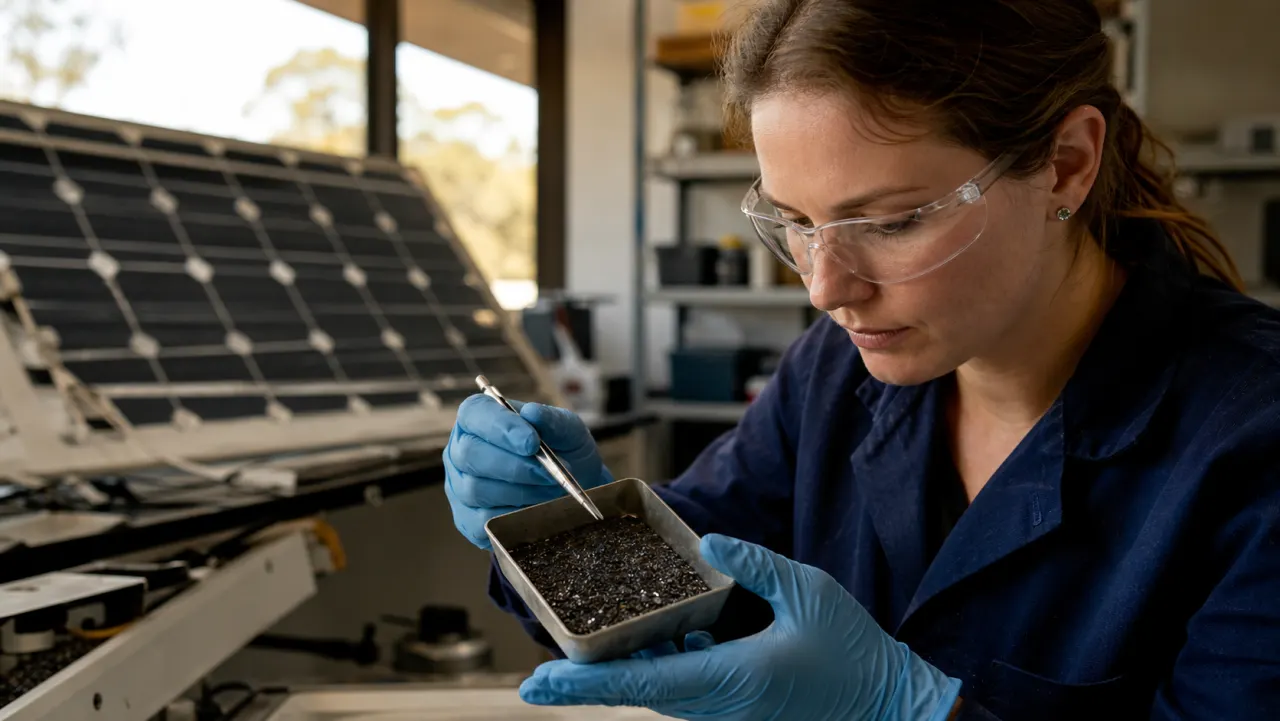
A University of Newcastle research team has published work on recovering silver from end-of-life photovoltaic material using froth flotation, a mineral-processing technique. On 12–13 August 2026, industry reporting described a continuous pilot-scale trial with 98.74% average silver recovery. That is a research result, not a new commercial recycling plant, collection site or ReSova service.
What happened
The University’s CRITIUM publications record lists the relevant paper, Rethinking silver recovery pathways in end-of-life photovoltaic recycling using froth flotation, published on 15 July 2026. pv magazine and Renew Economy subsequently reported the pilot-scale trial and its result. The reports describe processed solar-cell material, rather than intact modules entering a public drop-off program.
| Question | Confirmed | Not confirmed by the cited sources |
|---|---|---|
| Research | A University of Newcastle paper on PV silver recovery by flotation was published in July 2026. | A commercial operating plant or public collection location. |
| Trial result | Industry reporting gives a 98.74% average silver-recovery figure for processed solar-cell material in a continuous trial. | That every module or recycler will achieve the same result. |
| Local impact | The work strengthens the case for higher-value material recovery research. | A Sydney price, turnaround, collection route or recovery outcome for a specific job. |
Why the distinction matters
Silver is valuable, but it is only one part of a module and the reported result is not a whole-panel recycling rate. Scale-up still has to address module preparation, transport, separation, downstream refining, cost and operator capability. The global IEA PVPS sustainability program likewise treats recycling, repair and circularity as linked workstreams rather than a single recovery percentage. Avoid promising a recycling outcome until the downstream pathway is confirmed for the job.
A practical handover sequence while technology evolves
- Make the system safeElectrical disconnection and removal are handled by appropriately qualified people before collection.
- Count and groupRecord quantities and broad visible condition; do not make unverified performance claims.
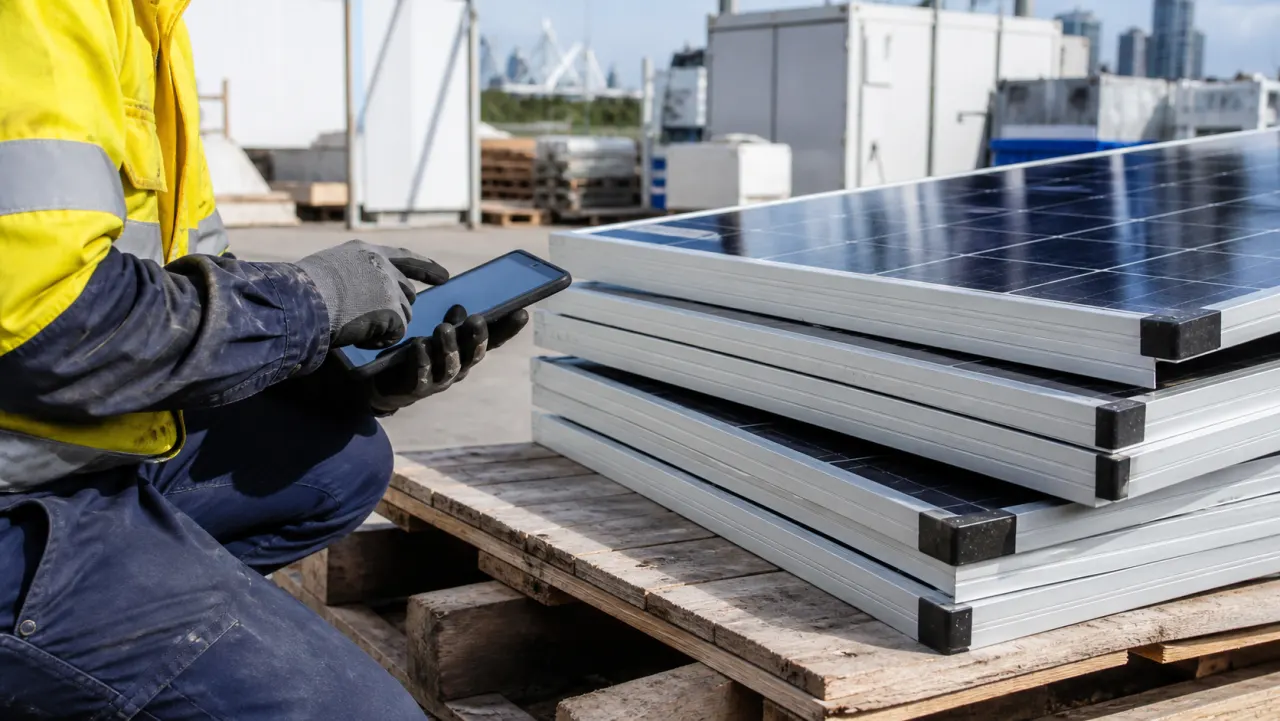
- Stage for accessProtect and stack panels at safe ground level, with the collection path and site constraints clear.
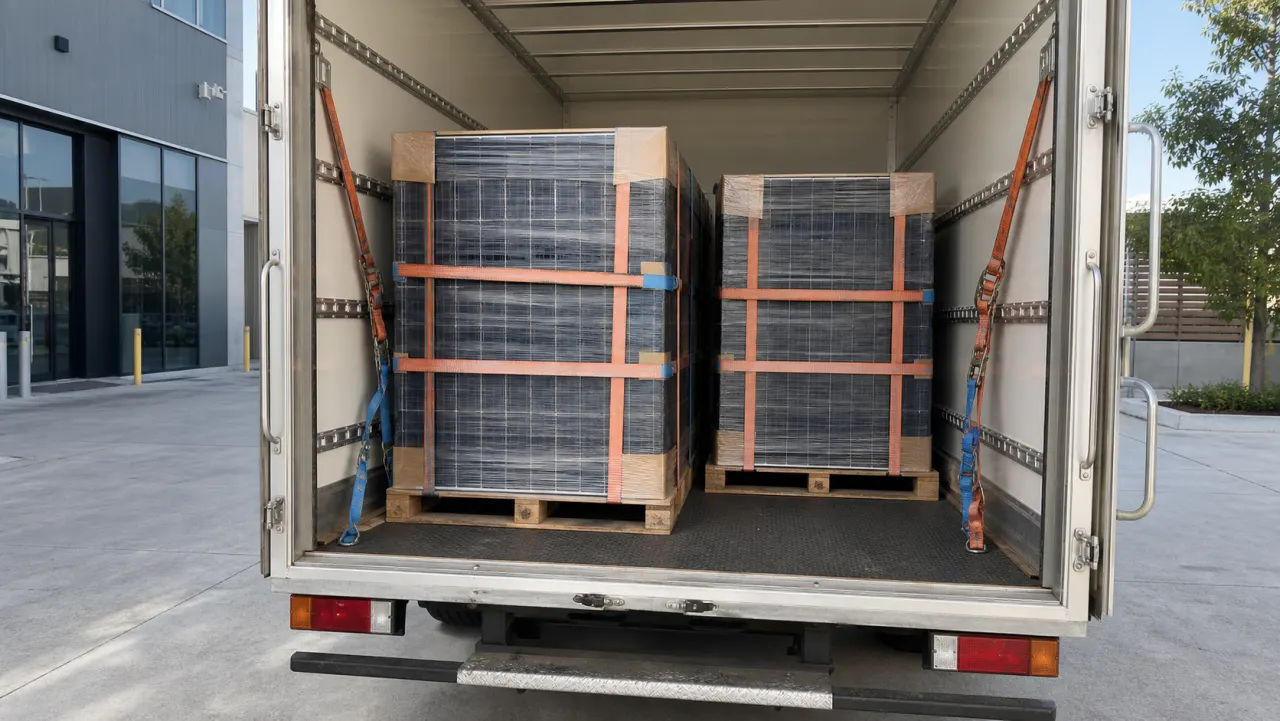
- Document collectionUse the job docket to record the on-site handover and arrange the appropriate downstream pathway.
What it means for Sydney installers and commercial projects
This research is encouraging, but it does not change the immediate Sydney site workflow. For installers, electricians, facilities teams and EPCs, the controllable decision is a clean handover: equipment already safely removed, accurate counts, sensible condition notes and access details. ReSova collects eligible panels after electrical removal across Sydney and selected NSW service areas, and records the collection on a job docket. For a commercial scope, start with Commercial Services; for job eligibility, see what we collect.
Key takeaways
- Recent reporting describes a University of Newcastle pilot-scale PV flotation trial with 98.74% average silver recovery from processed solar-cell material.
- The cited sources do not confirm a commercial plant, public collection site, Sydney price or a universal whole-panel recycling outcome.
- The news is a technology signal; on-site counting, safe staging, transport and recordkeeping remain the immediate project controls.
- ReSova collects eligible panels only after electrical removal and documents the Sydney handover on a job docket.
Frequently asked questions
Did a new commercial solar-panel recycling plant open in Newcastle?
No. The recent item concerns research and a pilot-scale continuous flotation trial, not an announced commercial recycling plant or a public collection site.
Does near-complete silver recovery mean every solar panel can be fully recycled?
No. The reported result concerns silver from processed solar-cell material under trial conditions. A panel's overall pathway still depends on its design, condition, safe handling, transport, processing capability and the downstream operator.
What should a Sydney installer do with removed panels now?
Keep panels safely removed, counted and protected; record their condition and site-access requirements; then arrange an appropriate collection pathway. ReSova provides Sydney on-site collection for panels already removed from the electrical system and documents the handover on a job docket.
Commercial services
ReSova considers eligible, already removed equipment in Sydney and selected NSW areas after the ground-level handover and site access can be confirmed. It does not decide removal, technical condition or a final downstream outcome.