
Quick answer
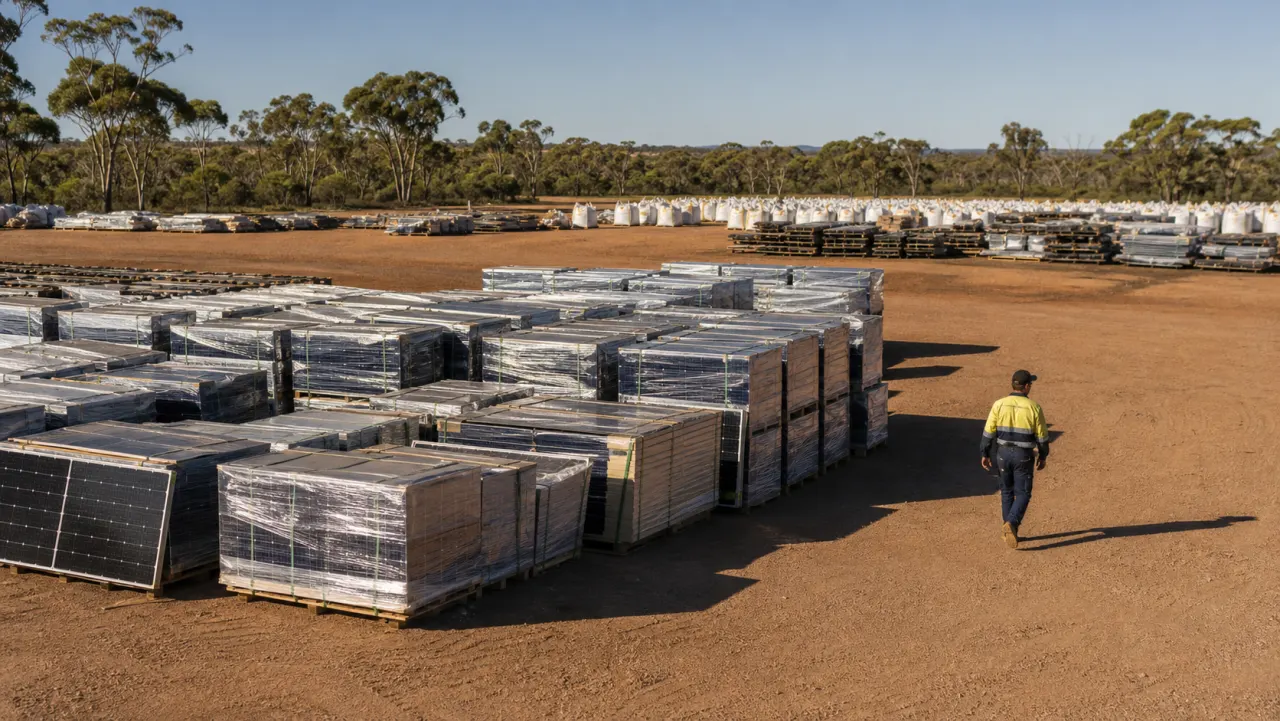
Western Australia is building an evidence base before setting further end-of-life solar-panel actions. On 6 August 2026, the WA Government said its Remade in WA program had commissioned the Smart Energy Council for stakeholder engagement and technical advice on a baseline assessment. The assessment’s first subjects — collection, transport, repair, reuse, recycling capability and barriers — are exactly the handover decisions Sydney projects need to get right now.
What WA is doing — and what it is not
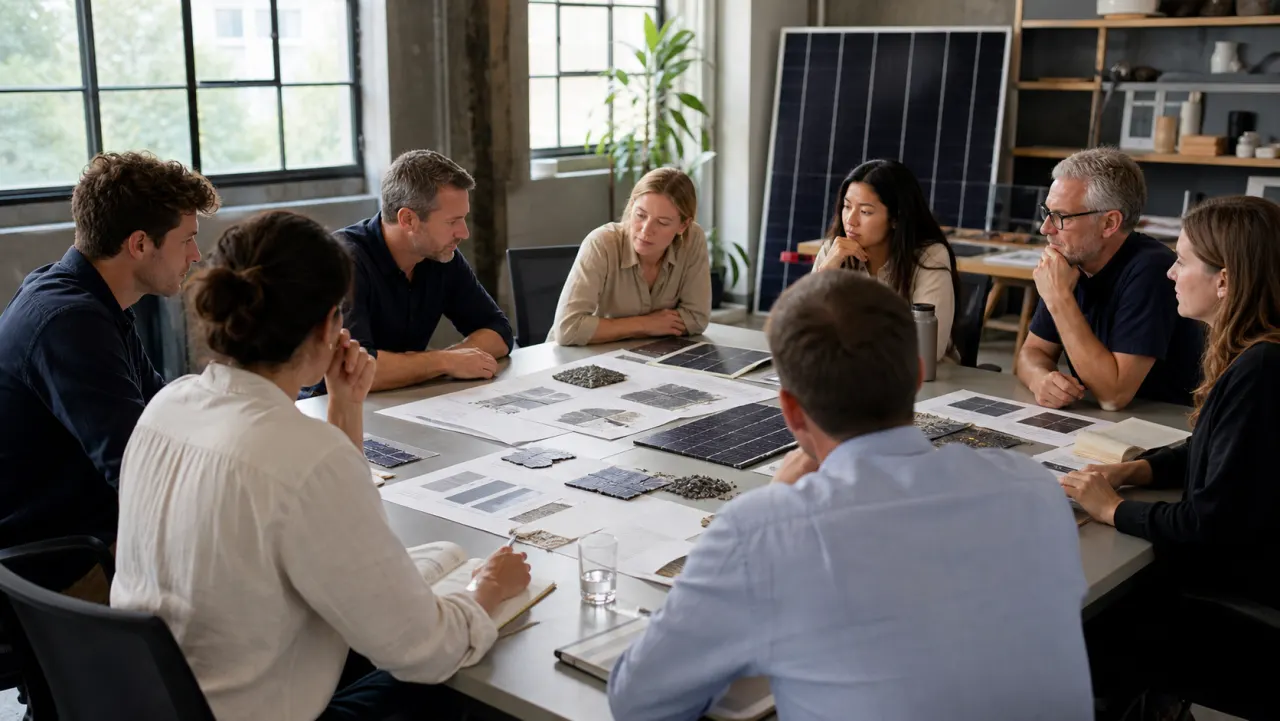
According to the WA Government update, the baseline assessment will examine collection and transport logistics, repair and refurbishment opportunities, reuse markets, recycling infrastructure, regulatory and market barriers, and industry readiness. The same page says its findings will inform later stages of the program. It lists grants, pilots and improved infrastructure as potential future activity — not confirmed service locations, obligations or operating rules.
| System question | What the WA baseline will examine | Useful action on a Sydney site today |
|---|---|---|
| Can panels move safely? | Collection and transport logistics | Plan ground-level staging, loading access and a realistic collection window. |
| Could a panel follow a different pathway? | Repair, refurbishment and reuse markets | Record broad condition without promising resale, testing or reuse. |
| Is there a suitable destination? | Recycling capability and infrastructure | Confirm the collection scope; do not assume a specific downstream outcome. |
| What evidence is needed? | Industry readiness and market barriers | Keep quantities, address, access notes and a collection docket together. |
Why collection data comes before recovery targets
A recovery target is not a logistics plan. Before a system can compare reuse, recycling or disposal options, it needs usable information about volumes, condition, packaging, distance and site constraints. This is consistent with the federal National Solar Panel Recycling Pilot, which says transport is a major recycling cost and that the pilot is intended to collect data on collection and recycling. Internationally, IEA PVPS Task 12 is also working across repair, circularity and recycling — not recycling alone.
A decision-ready panel handover
- Define the scopeSeparate electrical removal from collection. ReSova does not carry out electrical de-installation.
- Create a simple inventoryCount panels and note broad visible condition, mixed equipment and any access constraints.
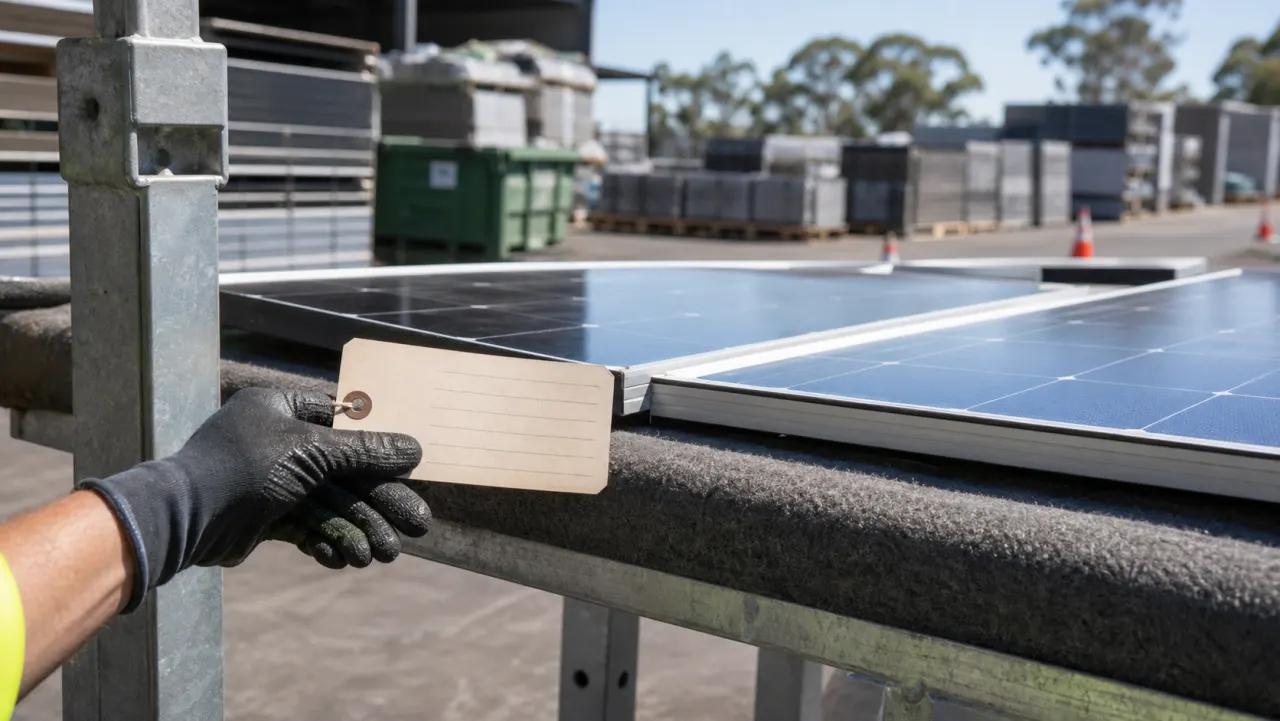
- Stage safelyHave equipment at accessible ground level and protect panels from further damage before pickup.
- Document the handoverKeep the collection docket with the project record; it confirms the collection, not a guaranteed later recovery rate.
What this means for Sydney installers and commercial project teams
WA’s assessment does not extend ReSova’s service area to WA and does not introduce a NSW requirement. Its value for Sydney teams is operational: treat end-of-life panels as a managed handover, not a last-minute waste line. For panels already safely removed from the electrical system, ReSova provides on-site collection across Sydney and selected NSW areas, with collection recorded on a job docket. Explore Commercial Services or utility-scale project collection when the scope is known.
Key takeaways
- WA's 6 August 2026 update confirms a baseline assessment covering solar-panel collection, transport, repair, reuse, recycling capability and barriers.
- Potential later grants, pilots and infrastructure are not confirmed services, requirements or collection locations.
- For Sydney work, quantity, condition, staging, access and a documented handover are the useful inputs now.
- ReSova collects eligible panels after electrical removal across Sydney and selected NSW areas; it is not an electrical removal contractor or a recycling plant.
Frequently asked questions
What is the WA solar panel recovery baseline assessment?
The WA Government says the Smart Energy Council has been commissioned to undertake stakeholder engagement and technical advisory work for a baseline assessment. It will examine collection and transport, repair and refurbishment, reuse markets, recycling capability, barriers and industry readiness.
Does this assessment create a national product-stewardship scheme?
No. It is a WA evidence-building activity. National arrangements remain separate and are not finalised; future activities mentioned by WA are potential, not confirmed services or requirements.
What information should a commercial project record before panels leave site?
At minimum: panel quantity, broad condition grouping, whether equipment is already electrically removed, safe ground-level staging, collection address and site-access constraints. A clear job docket closes the handover record without making claims about a later processing outcome.
Plan a commercial collection
ReSova considers eligible, already removed equipment in Sydney and selected NSW areas after the ground-level handover and site access can be confirmed. It does not decide removal, technical condition or a final downstream outcome.